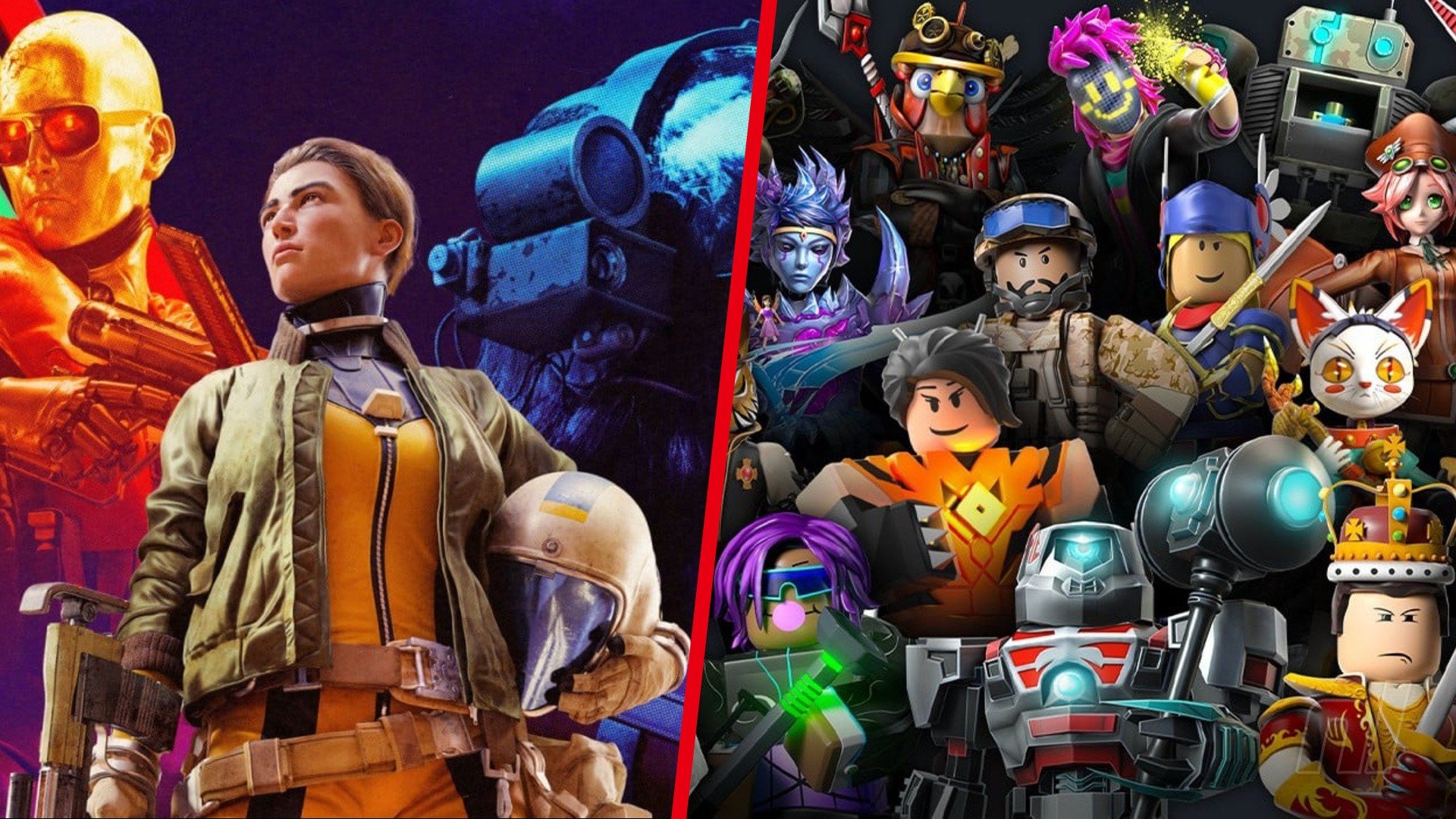
Genvid CEO Jacob Navok, a former Square Enix executive, argued that most players “generally do not care” about the use of generative AI in games, citing the viral Roblox title Steal a Brainrot (reported at roughly 30 million concurrent users, about 80x ARC Raiders’ concurrents) and the commercial strength of launches such as ARC Raiders and Call of Duty despite AI-related criticism; he also says many studios use AI in concept work and for coding (notably Claude). His view—tempered by his leadership of an AI-focused company—frames AI pushback as largely emotional, not consumer-driven, which if true could accelerate industry adoption for cost and productivity gains. However the article notes persistent industry and fan resistance, signaling reputational and quality risks from a vocal minority that could matter for core paying audiences and long-term franchise value.
Genvid CEO Jacob Navok, formerly of Square Enix, publicly argued that most players “generally do not care” about generative AI in games, citing the viral Roblox title Steal a Brainrot (reported at roughly 30 million concurrent users, noted as ~80x ARC Raiders’ concurrents) and pointing to strong commercial launches such as ARC Raiders and Call of Duty despite AI-related criticism. The article records explicit industry pushback and fan anger, but emphasizes that high engagement numbers for meme-driven, free-to-play experiences coexist with large sales for contested AAA launches.
Navok also states many studios use AI in the concept phase and that “it will be hard to find a non-indie title that isn’t using Claude for code,” implying rapid backend adoption even as front-end art/voice use drives controversy. Signal outputs mark the overall sentiment as mixed with a low market impact score (0.15) and diverging per-ticker sentiment (EA -0.6, RBLX 0.3), highlighting polarization between developers/publishers and consumer segments.
Investment-relevant implications are clear: generative AI can drive cost and productivity gains but creates reputational and quality risks that matter for paying audiences and long-term franchise value; Roblox-style virality may not translate into paid monetization, while vocal hardcore communities and refund behavior (cited for CoD) can dent sales or brand equity. Investors should therefore balance exposure to game-platform growth against short-term backlash and monitor concrete monetization and community KPIs before increasing risk.
AI-powered research, real-time alerts, and portfolio analytics for institutional investors.
Request DemoOverall Sentiment
mixed
Sentiment Score
0.00
Ticker Sentiment
