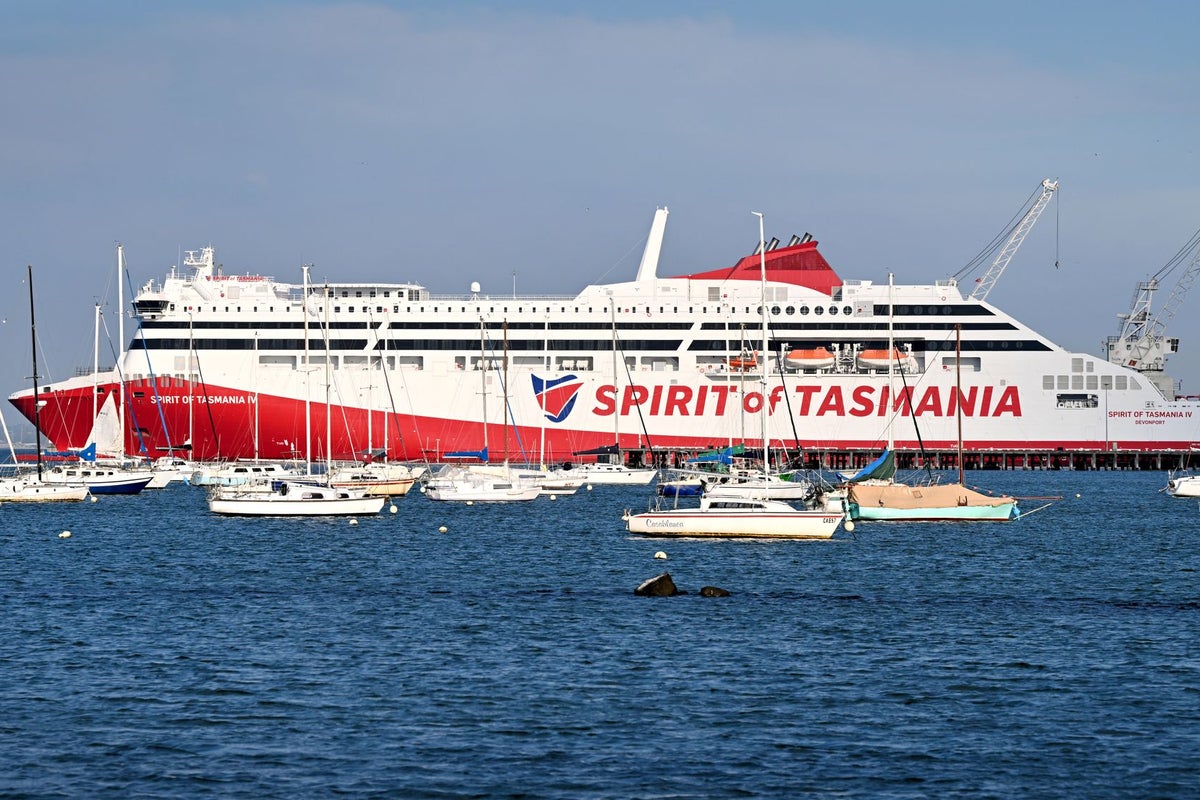
Tasmania has made buses and ferries free effective immediately until 1 July 2026 and Victoria announced temporary free public transport from Tuesday until 1 July (year not specified) to ease rising fuel-driven cost-of-living pressure. Tasmanian usage rose ~20% in the past week and the scheme is projected to save commuters A$20–A$88 per week (examples: Dodges Ferry–Hobart A$88/week, Bicheno–Hobart A$48/week). NSW has declined to follow suit, citing fiscal caution, and the measures are framed against global fuel-supply concerns stemming from the Middle East conflict.
Localised zero-fare interventions are a high-frequency policy lever that transmit through three channels: immediate modal substitution (urban car km down, transit trips up), fiscal substitution (farebox receipts replaced by transfers from state budgets), and capacity strain (short-term overcrowding and higher marginal operating costs). Expect the net private vehicle km reduction in affected metro corridors to be small but measurable — order of low-single-digit percent over weeks — concentrated on commuter corridors where marginal trip cost matters most.
For corporate P&Ls this translates into asymmetric impacts: toll-road and parking cashflows are first-order exposed to even small shifts in peak commuter volumes, while fuel retailers and refiners see only incremental demand elasticity offset by price dynamics. Transit operators and contractors effectively receive budget-insulated revenue, but that creates a contingent liability for state balance sheets that will surface at fiscal-year reconciliation and could force reallocation from capex or larger tax measures within 6–18 months.
Macro and policy risk dominate catalysts: sustained elevated oil/fuel prices or geopolitical escalation would reinforce this policy tool and increase permanence risk for car-based revenue streams; conversely rapid fuel price mean reversion or political pushback (fiscal squeeze after budget reviews) would reverse modal shifts and restore prior cashflows. The sweet spot for active positioning is in 3–12 month windows around budget cycles and commodity-price persistence, where valuation dislocations in infrastructure and energy names are most likely to be priced.
AI-powered research, real-time alerts, and portfolio analytics for institutional investors.
Request DemoOverall Sentiment
neutral
Sentiment Score
0.05
