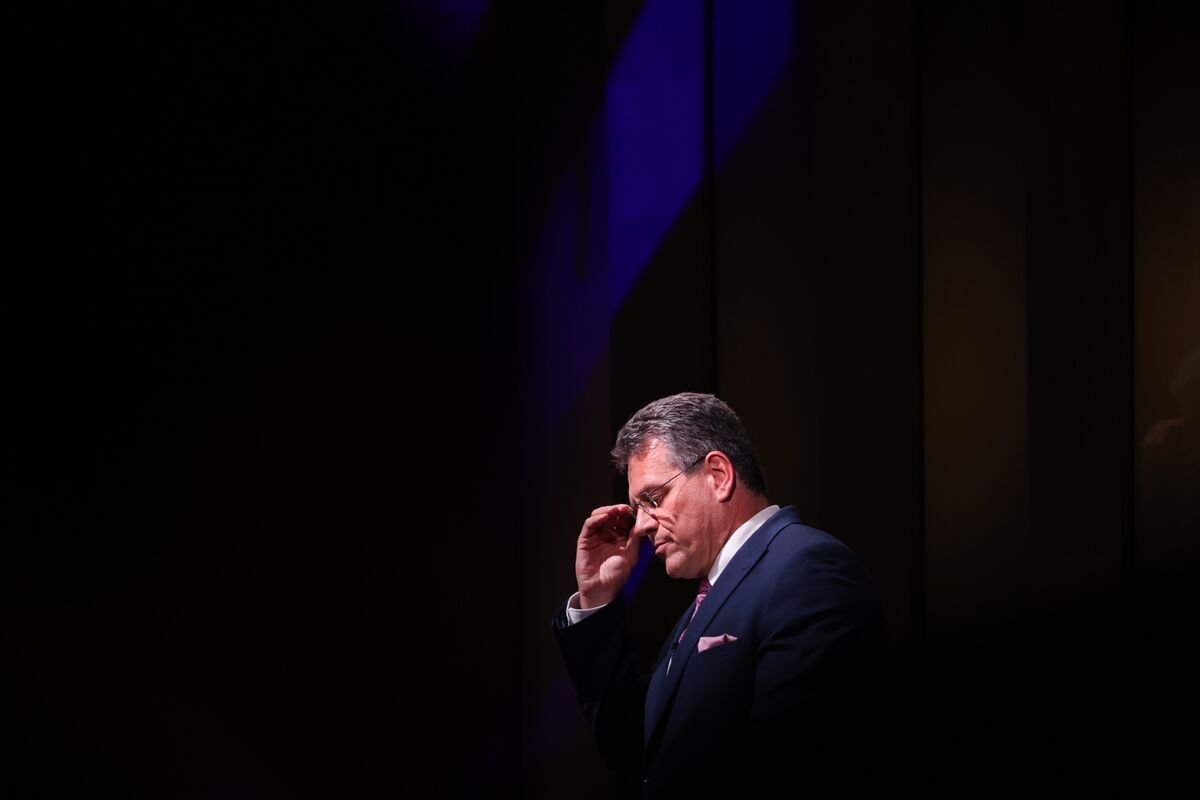
Despite recent US tariff increases on steel and aluminum, EU Trade Commissioner Maros Sefcovic indicated that trade talks with the US are progressing in a "right direction" following a meeting with US Trade Representative Jamieson Greer. Sefcovic emphasized the EU's goal to maintain momentum in negotiations despite the challenging backdrop of new levies.
EU-US trade negotiations are reportedly advancing, with EU Trade Commissioner Maros Sefcovic stating that discussions are proceeding in the "right direction" following a meeting with US Trade Representative Jamieson Greer. However, this positive assessment is tempered by the recent imposition of new American levies on steel and aluminum imports, which Sefcovic characterized as unhelpful to sustaining the talks' momentum. The European Union's expressed objective is to maintain this forward movement in negotiations despite the challenging tariff environment. The overall sentiment surrounding these developments is mixed, with a sentiment score of 0.1, and the prevailing tone is cautious, reflecting the inherent uncertainties in trade policy discussions where diplomatic progress is contrasted with new protectionist measures. The market impact score of 0.4 suggests a moderate level of significance, indicating that while these ongoing talks are important, the current update may not be a major unilateral market driver without further definitive outcomes.
AI-powered research, real-time alerts, and portfolio analytics for institutional investors.
Request DemoOverall Sentiment
mixed
Sentiment Score
0.10
