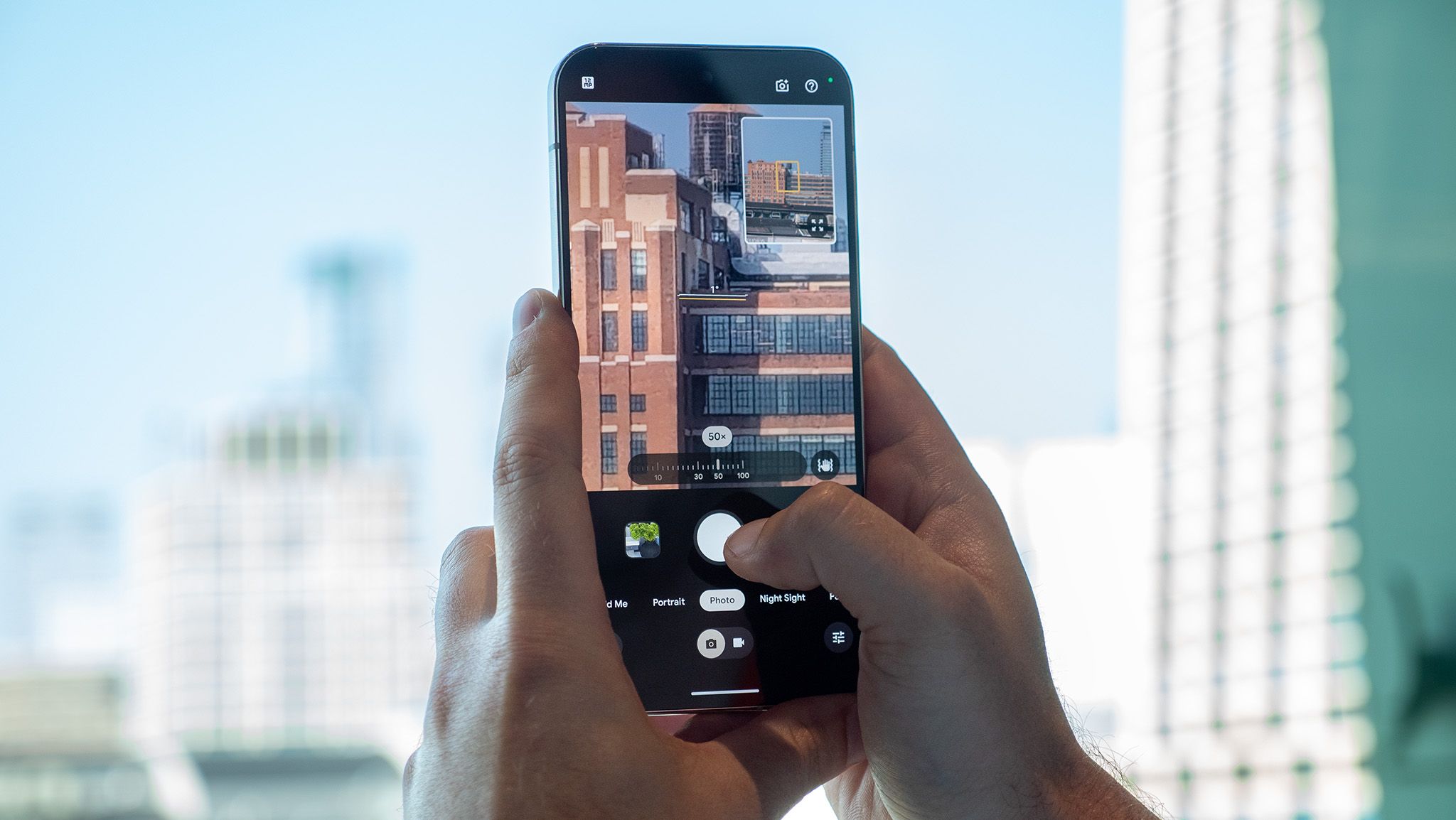
After installing Android 16 QPR3 Beta 1, multiple Pixel 8 Pro users report a consistent autofocus and image-shake defect when using the 50MP lens at 1x and 2x zooms, with corroborating videos and posts on Reddit. Google has acknowledged the issue in its IssueTracker; temporary mitigations include switching to a 12MP lens or tapping to focus, and the report follows prior EIS-related jitter problems on Pixel 10 Pro — a software stability/reputational concern with limited near-term financial impact but potential user-satisfaction implications if not promptly patched.
Market structure: This is a software/regression risk hitting Google’s consumer hardware line, not its ad core. Pixel/hardware accounts for under ~5% of Alphabet (GOOGL) revenue; a persistent 20% hit to Pixel unit sales would translate to ~1% revenue pressure for Alphabet over 2 quarters, but large-cap investor focus means near-term reputational risk > financial hit. Winners in the near term are competing premium handset vendors (AAPL) and third-party repair/insurance providers that monetize defects; camera-sensor OEMs (SONY) and SoC suppliers (QCOM/TSM) see limited direct impact unless problems prove hardware-linked.
Risk assessment: Immediate (days) risk is social-media-driven sentiment volatility; short-term (weeks) risk is returns/refund costs and potential warranty provisions; long-term (quarters) risk is reputational erosion if regressions are recurrent. Tail scenarios: a botched QPR patch causing a global recall or class-action could force >$200–500M incremental charges and >100–200bps brand-share loss in premium segment — low probability but high impact. Hidden dependency: carriers’ and reviewers’ re-tests can amplify negative signals; catalyst set includes QPR3 patch notes, carrier statements, and sales data during next 30–90 days.
Trade implications: For pragmatic exposure, prefer short-duration volatility trades over outright directional shorts on GOOGL because core cash flows are intact. Consider a 30–60 day at-the-money put spread on GOOGL sized to 1–2% portfolio risk to hedge a holiday-season PR shock; conversely, small tactical long (1–2% overweight) in AAPL or SONY can capture share gain if Pixel momentum fades. Avoid overreacting to suppliers unless warranty/capex guidance is updated; watch implied vol spikes in GOOGL options around patch windows for entry.
Contrarian angle: The market often over-weights one-off beta regressions; historical parallels (Samsung camera firmware bugs) led to sub-1% long-term share shifts. If Google patches within 7–21 days and demonstrates robust QA metrics, any short-term implied-volatility premium in GOOGL options is likely overpriced — a mean-reversion trade. Conversely, retail attention concentrated on Reddit can cause temporary demand slippage in specific geographies (UK/US) — look for regional sell-through dips >5% as a real signal.
AI-powered research, real-time alerts, and portfolio analytics for institutional investors.
Request DemoOverall Sentiment
mildly negative
Sentiment Score
-0.25
Ticker Sentiment
