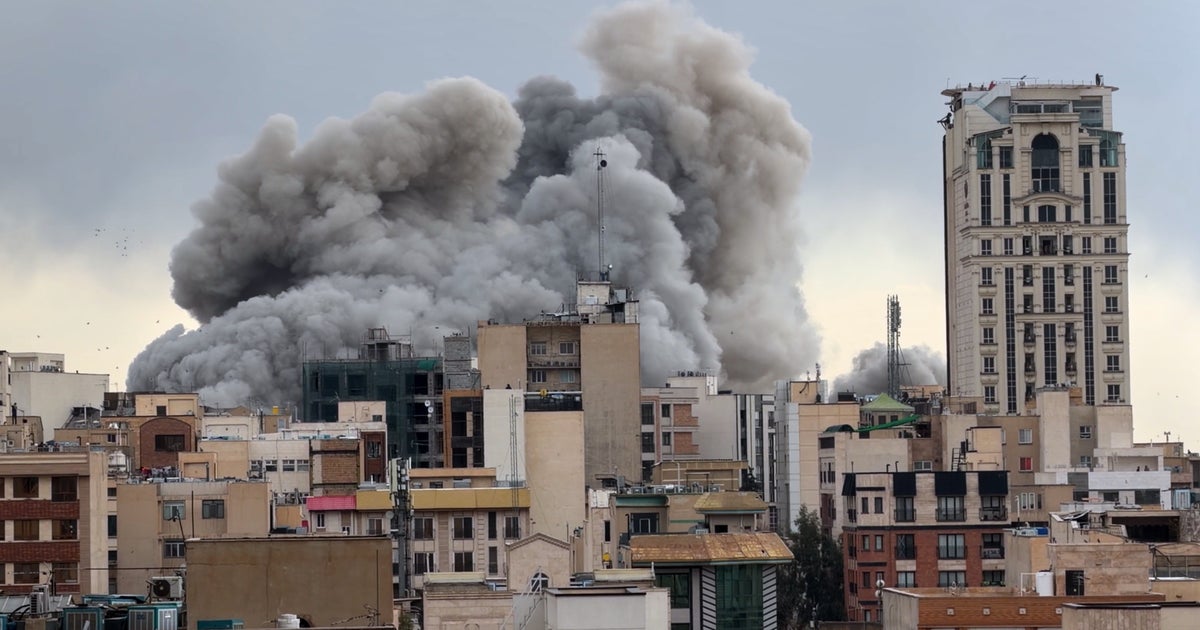
About one-third of Iran’s missile arsenal is assessed as certainly destroyed, another ~one-third likely damaged or buried and the remainder still significant and potentially recoverable once fighting stops. U.S.-Israeli strikes (operation 'Epic Fury') have reportedly hit >10,000 targets and sunk 92% of Iran’s large naval vessels, yet Iran continues offensive actions (e.g., 15 ballistic missiles and 11 drones fired at the UAE) and has demonstrated new long-range strike capability. The persistence of buried stockpiles and tunneling increases uncertainty and elevates risk to shipping in the Strait of Hormuz and the prospect of further U.S. escalation (including possible troop deployments).
The immediate macro consequence is a sustained premium on military-related supply chains and services rather than a one-off spike: procurement cycles for interceptors, secure comms, ISR sorties, and hardened logistics will lengthen order books and push subcontractor margins higher over 6–18 months. Expect accelerated re-shoring and capacity expansion in niche suppliers (precision guidance, high-grade propellants, hardened shelters) where lead times are measured in quarters; these are the choke points that determine how fast a state can regenerate missile capacity after attrition.
Energy and shipping markets will price in a persistent ‘route disruption + insurance shock’ scenario: even without full closure of key passages, longer voyage times and higher war-risk premia materially raise tanker and LNG voyage economics, favouring owners with modern VLCC/PCTC fleets and time-charter optionality. That pressure feeds upstream into refined product and crude spreads, amplifying refinery margins in tight regions while increasing costs for energy-intensive exporters/importers over multiple quarters.
Policy and intelligence uncertainty is the dominant tail risk: ambiguous assessments about buried or recoverable stockpiles create a wide band of outcomes — from localized attrition-driven stability to protracted asymmetric strikes that force sustained naval and aerial deployments. Market reversals will be driven faster by political escalation thresholds (troop landings, expanded blockades, or Chinese/Russian diplomatic interventions) than by raw battlefield metrics; those catalysts can compress or amplify risk premia within days.
Consensus blind spot: investors are treating defense primes and energy producers as the obvious plays, but the underappreciated alpha lies in specialist suppliers, insurers/reinsurers, and maritime owners who capture route-inefficiency rents. These pockets offer more concentrated upside with clearer catalytic paths (contract awards, new insurance rate filings, freight rate rallies) and cleaner hedging than long-only exposure to large-cap conglomerates.
AI-powered research, real-time alerts, and portfolio analytics for institutional investors.
Request DemoOverall Sentiment
mildly negative
Sentiment Score
-0.20
