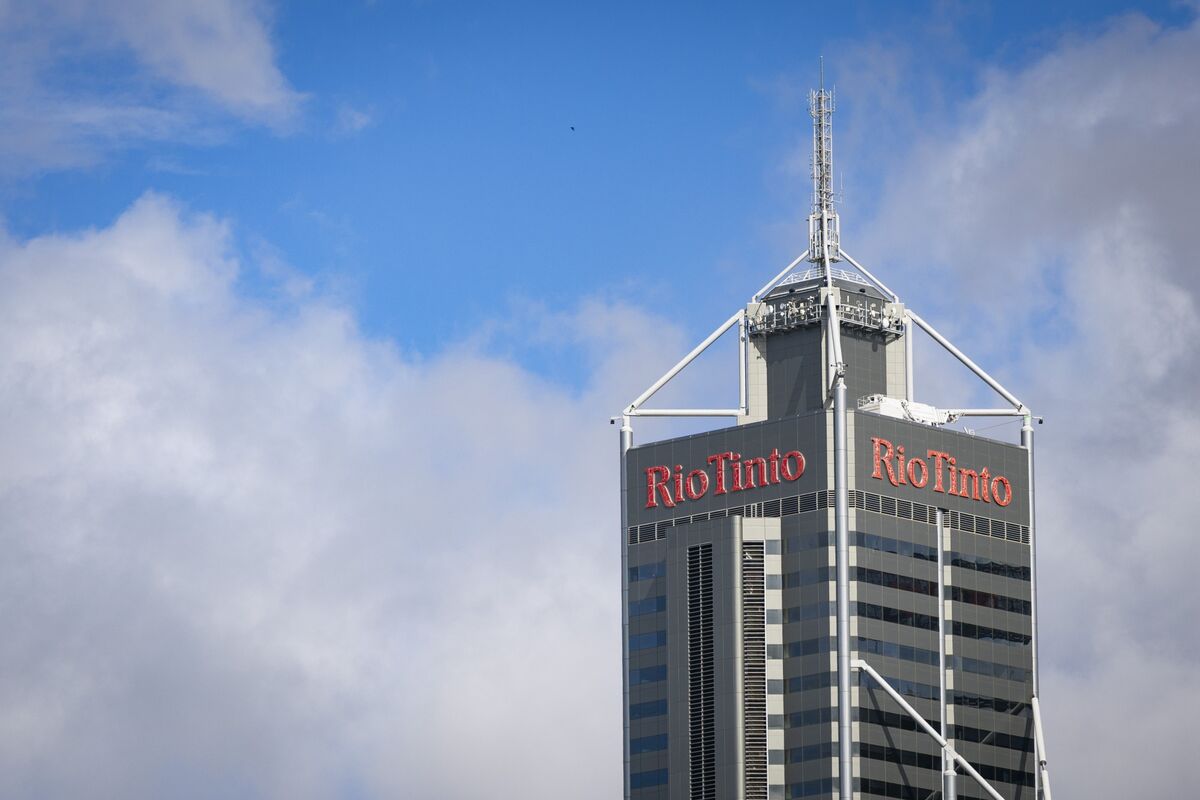
A$2.0 billion in combined federal and Queensland state funding will be provided over 10 years from 2030 to keep Rio Tinto's Boyne aluminium smelter operating to at least 2040 while it transitions to renewable electricity. The package reduces closure risk, preserves Australian aluminium production capacity and supports Rio Tinto's competitiveness and operational outlook internationally.
This subsidy materially shifts the marginal cost curve for primary aluminium originating from Australia, converting a potential closure risk into a lower-cost, low-carbon supply point for international buyers. That change will compress the short-term global supply shock premium that traders would have priced for the loss of Australian capacity, but in the medium term (12–36 months) it also creates a structural advantage for integrated miners that can credibly decarbonize operations and secure ESG-linked offtakes.
Second-order beneficiaries include renewable developers, grid-scale storage and transmission contractors exposed to Queensland capacity builds; those businesses will see multi-year PPA demand and earlier cash-flow visibility, while pure merchant aluminium hedgers face a slower path to scarcity-driven price rallies. Downstream OEMs that need low-carbon aluminium (auto, aerospace, high-end packaging) gain negotiating leverage on both price stability and lower lifecycle emissions, which could compress spot-to-premium spreads for certified low-carbon metal.
Key risks: the support is politically dependent and phased—budgetary changes, elections, or stricter conditionality (e.g., faster emissions milestones) can unwind expectations rapidly (weeks–months). A Chinese reacceleration of primary smelting or a rapid uptick in recycled aluminium supply would blunt pricing power over 6–24 months; operationally, delays in transmission or PPA delivery are execution risks that would reintroduce closure economics.
The consensus likely underestimates the signaling effect: this is not just a one-off subsidy but a blueprint for salvaging energy-intensive domestic industry during grid transitions, which should rerate other vertically integrated miners with downstream assets; conversely the market could overpay if it treats funding as unconditional guaranteed cash flow.
AI-powered research, real-time alerts, and portfolio analytics for institutional investors.
Request DemoOverall Sentiment
strongly positive
Sentiment Score
0.70
Ticker Sentiment
