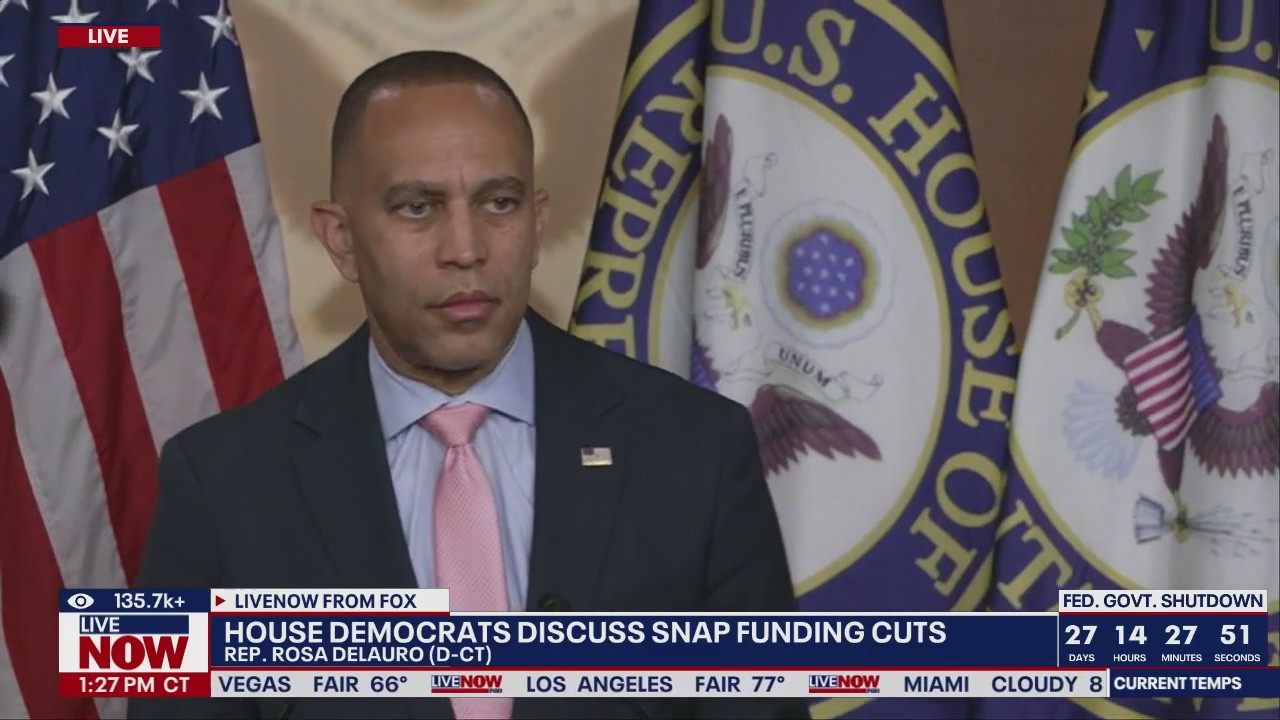
Amid a potential lapse in federal SNAP benefits impacting 40 million Americans due to a government shutdown, several key delivery and fintech platforms are deploying significant relief efforts. Instacart is offering a 50% discount to eligible SNAP users and increasing food bank donations, while DoorDash is facilitating 1 million free meals and waiving delivery fees for SNAP recipients. GoPuff is providing up to $10 million in grocery credits, and Zip Co. is introducing temporary, no-fee installment payment options for groceries. These corporate actions highlight a proactive response to a critical social issue, potentially influencing market perception, customer engagement, and demonstrating adaptability in their service offerings amidst federal funding uncertainty.
The impending federal funding lapse for SNAP benefits on November 1st, potentially impacting 40 million Americans, has prompted significant corporate responses from major delivery and fintech platforms. Instacart (CART) is offering a 50% discount to eligible SNAP users and tripling food bank donations, while DoorDash (DASH) plans to deliver 1 million free meals and waive delivery fees for 300,000 SNAP recipients. GoPuff is committing up to $10 million in grocery credits, and Zip Co. is providing temporary, no-fee installment payment options for groceries.
These initiatives, reflected in positive per-ticker sentiment for CART and DASH (0.7 each), demonstrate a strategic focus on brand reputation, customer retention, and potential market share gains during a period of consumer vulnerability. While the overall market sentiment is "mixed" with a "moderate" impact score of 0.55, these companies are positioning themselves as essential service providers and socially responsible entities. This proactive engagement could enhance long-term customer loyalty and public perception.
The underlying cause, a government shutdown since October 1st, highlights ongoing fiscal policy and political instability, which could continue to affect consumer demand and retail sectors. The uncertainty surrounding federal aid underscores the potential for increased reliance on private sector solutions and alternative financial services, particularly for essential goods.
AI-powered research, real-time alerts, and portfolio analytics for institutional investors.
Request DemoOverall Sentiment
mixed
Sentiment Score
0.10
Ticker Sentiment
