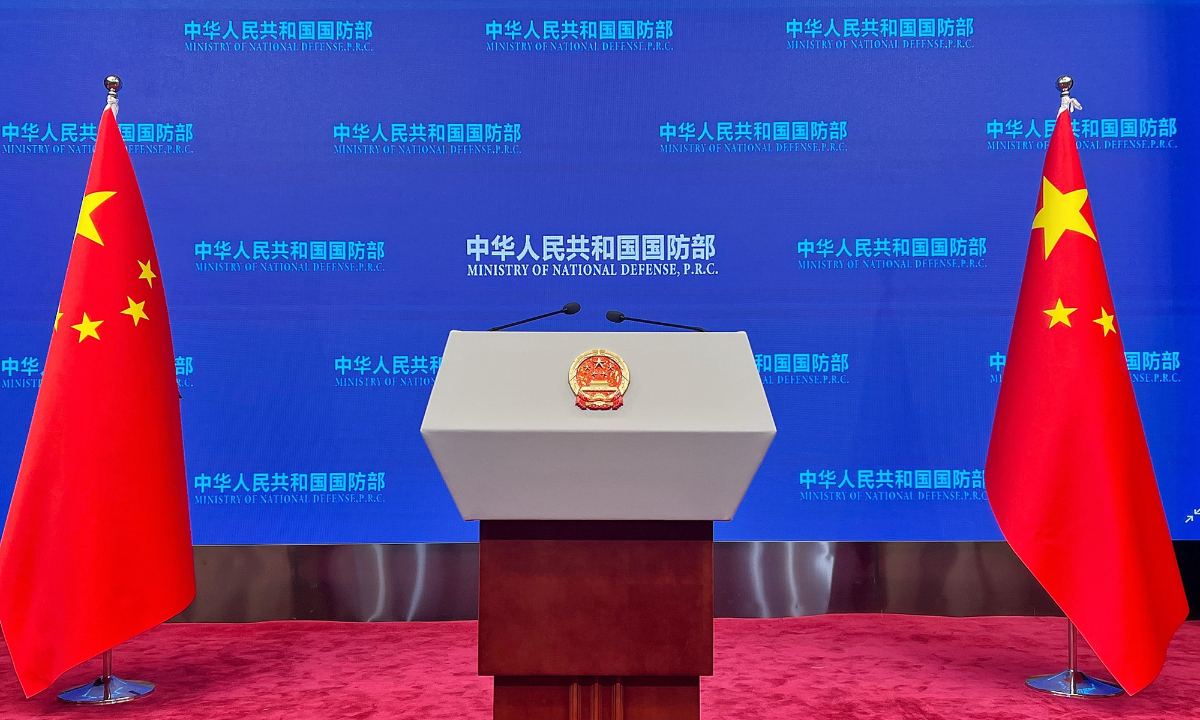
China and Russia conducted their third joint anti-missile exercise on Russian territory in early December, the first in eight years, with both sides stressing it was not aimed at any third party. The drill follows a Dec. 1-2 China-Russia strategic security consultation and signals deeper integration on early-warning and missile-defense capabilities, raising regional geopolitical risk. For investors, the development merits monitoring of defense contractors, regional risk premia and geopolitical-sensitive assets, though the post-facto disclosure suggests limited immediate market disruption.
Market structure: China–Russia anti-missile cooperation structurally favors defense primes, radar/space-sensor suppliers, and C4ISR integrators—firms with production lead times of 12–36 months. Expect incremental orders and R&D budgets to tilt toward long-range sensors, SATCOM, and missile-interceptor subsystems; this increases pricing power for niche suppliers (LHX, RTX, LMT, NOC) by an estimated mid-single-digit revenue tailwind over 12–24 months. Commercial aerospace and leisure exposed to Asia-Pacific travel risk are relative losers in a risk-off environment.
Risk assessment: Tail risks include a regional military escalation or accelerated sanctions that could freeze bilateral tech swaps (low probability, high impact) and semiconductor export controls that disrupt supply chains for guidance/seekers. Immediate (days) moves will be volatility spikes in FX and commodities; short-term (weeks–months) sees safe-haven flows to gold/JPY and modest oil upside (+$3–$8/barrel); long-term (quarters–years) implies higher baseline defense capex and multi-year procurement cycles.
Trade implications: Primary trade is overweight US defense primes and ISR/sensor names for 12–24 months: buy equities or buy-dated call spreads (9–18 month). Use pair trades: long defense vs short Asia-Pacific travel/airlines (JETS ETF) to isolate geopolitical beta. Allocate 1–4% portfolio risk per position and prefer defined-risk option structures to manage tails.
Contrarian angle: Consensus treats drills as symbolic; markets may underprice multi-year integration benefits (shared early-warning networks) that create recurring software/integration revenue streams versus one-off hardware sales. Beware overbaking near-term escalation—best entries are on 3–8% pullbacks or after formal procurement announcements (Japan/US budgets), not immediate knee-jerk rallies.
AI-powered research, real-time alerts, and portfolio analytics for institutional investors.
Request DemoOverall Sentiment
moderately negative
Sentiment Score
-0.25
