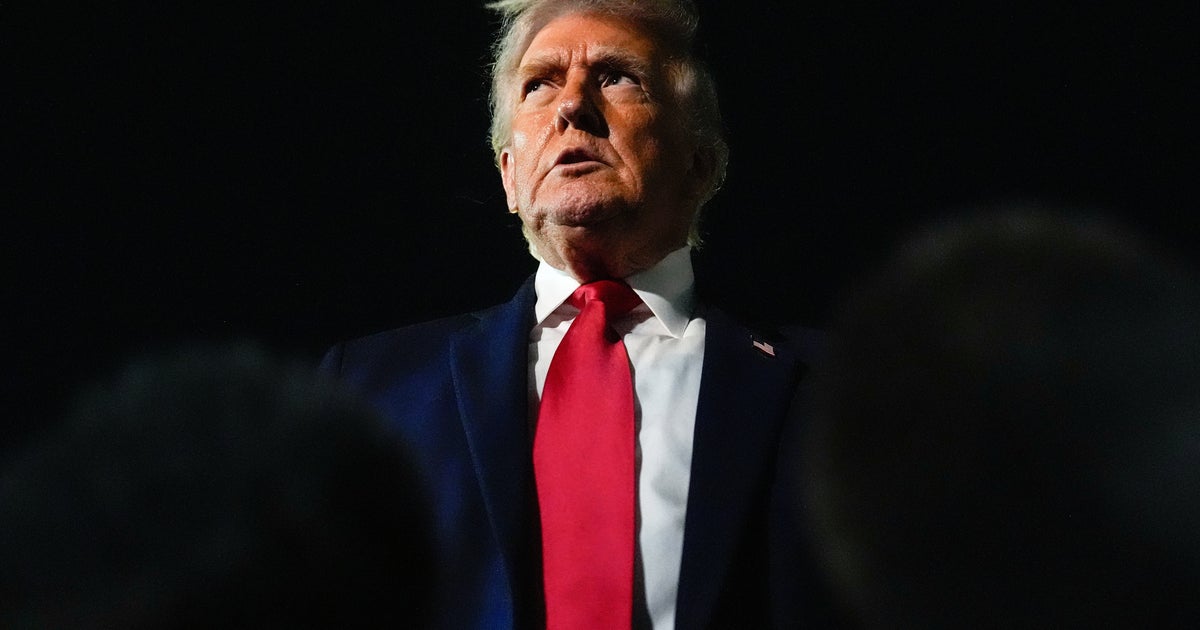
U.S. bank shares slid after the Trump administration set a Jan. 20 target to implement a 10% cap on credit card interest rates, raising investor concern that banks' interest income and credit availability would be materially harmed; JPMorgan fell 1.6%, Citigroup 2.4%, Bank of America 1.1%, Wells Fargo 1.3%, Morgan Stanley 2% and Goldman Sachs 1.5%. The administration frames the cap as improving consumer affordability, while banks warn it could force reduced lending and JPMorgan signaled potential legal action; analysts (TD Cowen) expect a political compromise or voluntary low-rate product alternatives rather than an immediate unilateral policy implementation. The deadline's legal and legislative uncertainty, plus related political tensions (including threats of litigation and a probe into the Fed chair), make this a significant near-term policy risk for bank profitability and sector positioning.
Market structure: A 10% cap on card APRs directly benefits consumers and low-rate no-rewards product providers while materially hurting card-heavy lenders (JPM, COF, C) and reducing banks' interest income. If enacted, card yield compression could be 40–60% versus typical APRs today (~18–25%), cutting card-derived NII and forcing higher fees or lower credit limits; fintechs/BNPL and secured-lending providers stand to gain share. Secondary effects include wider ABS spreads and higher funding costs for banks as card receivable economics shift.
Risk assessment: Tail risks include a unilateral executive order, expedited litigation (JPM v. White House), and a Congressional cap—each could knock 10–25% off FY EPS for large card issuers; deposit runs are low probability but reputational/legal risks are material. Near term (days–weeks) expect volatility and re-pricing; medium term (3–12 months) expect margin actions, repricing of co-branded contracts and securitization flows; long term (>12 months) could see structural product redesign and fee increases. Hidden dependencies: securitization pipelines, third-party servicers, and co-brand partners that could accelerate asset transfers.
Trade implications: Tactical hedges on large card-exposed names and financial ETFs are priority. Favor put-spreads on JPM/XLF for 1–3 month windows, and a relative-long position in GS/MS vs. JPM for 3–6 months given lower unsecured-card exposure. Rotate defensive cash flows into consumer staples and short-duration IG if credit spreads widen.
Contrarian angles: Market may overstate probability of an immediate full 10% cap—legislative path is hard; historical parallels (Durbin interchange rules) show banks adapt via fees and product repricing, not wholesale collapse. If administration signals voluntary “Trump cards,” initial sell-off could reverse quickly; monitor ABS spreads, co-brand renewal terms, and Treasury/Fed communications as high-information catalysts.
AI-powered research, real-time alerts, and portfolio analytics for institutional investors.
Request DemoOverall Sentiment
moderately negative
Sentiment Score
-0.45
Ticker Sentiment
