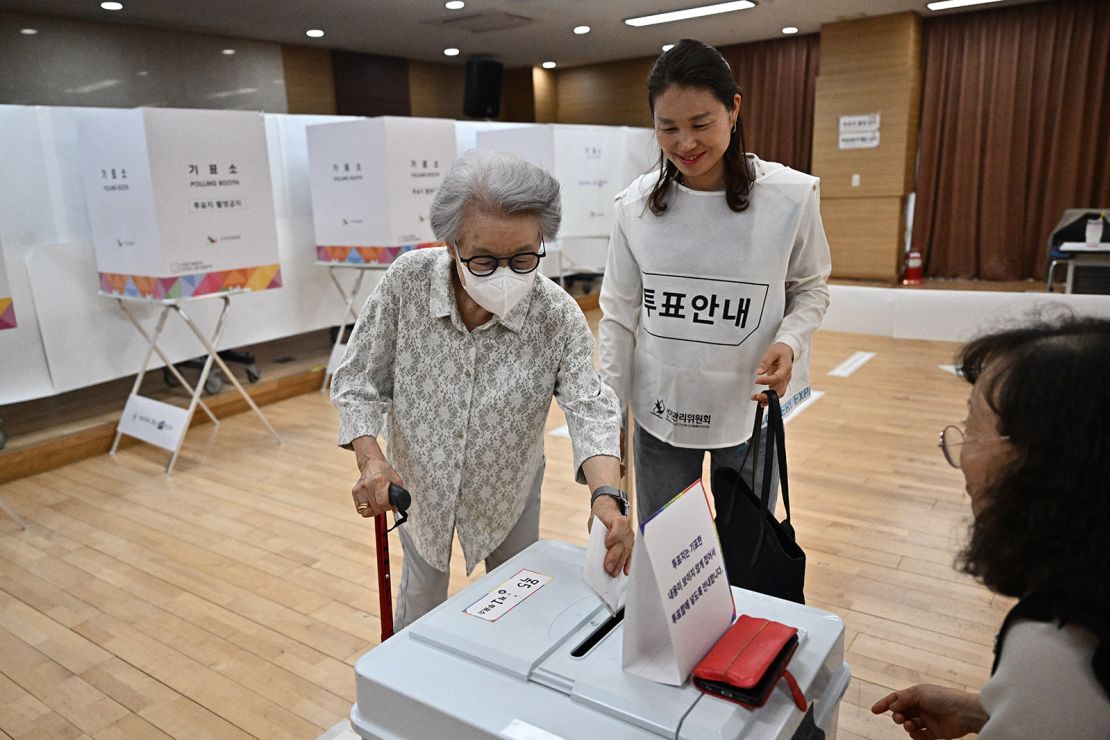
Lee Jae-myung has won South Korea's snap presidential election, marking a potential return to political stability after six months of turmoil following a martial law crisis and the impeachment of the previous president. With nearly 80% voter turnout, Lee's victory comes as South Korea grapples with economic challenges, including US tariffs and a potential recession, and he has pledged to restore the economy and prevent future coups. Lee's administration is expected to reestablish trust with the US while strategically engaging with China and Russia, and he aims to balance the US alliance with relations with China, South Korea's largest trading partner.
Lee Jae-myung's decisive victory in South Korea's snap presidential election, secured with a lead exceeding 2 million votes and an impressive voter turnout nearing 80%, signals a potential return to political normalcy after six months of significant instability stemming from a martial law crisis and presidential impeachment. This transition is pivotal as the export-oriented economy grapples with external pressures such as US tariffs—currently 25% on automobiles and steel with potential expansion to semiconductors and pharmaceuticals—and internal challenges like rising living costs and subdued consumption, which were exacerbated by the recent leadership vacuum. With Lee's Democratic Party controlling the legislature, there's an expectation of smoother policy implementation, focusing on his pledges to "restore the economy," prevent future coups, support small businesses, and foster the AI industry. Nevertheless, Lee's tenure may face headwinds from his ongoing legal battles over corruption allegations and the complexities of navigating international relations, particularly balancing the "cornerstone" US alliance with "strategic engagement" towards China, its largest trading partner. The prevailing market sentiment is one of cautious optimism, underscored by a "stable" tone and a moderate anticipated market impact, reflecting hopes for enhanced governance and economic management under the new leadership.
AI-powered research, real-time alerts, and portfolio analytics for institutional investors.
Overall Sentiment
Positive
Sentiment Score
0.50
