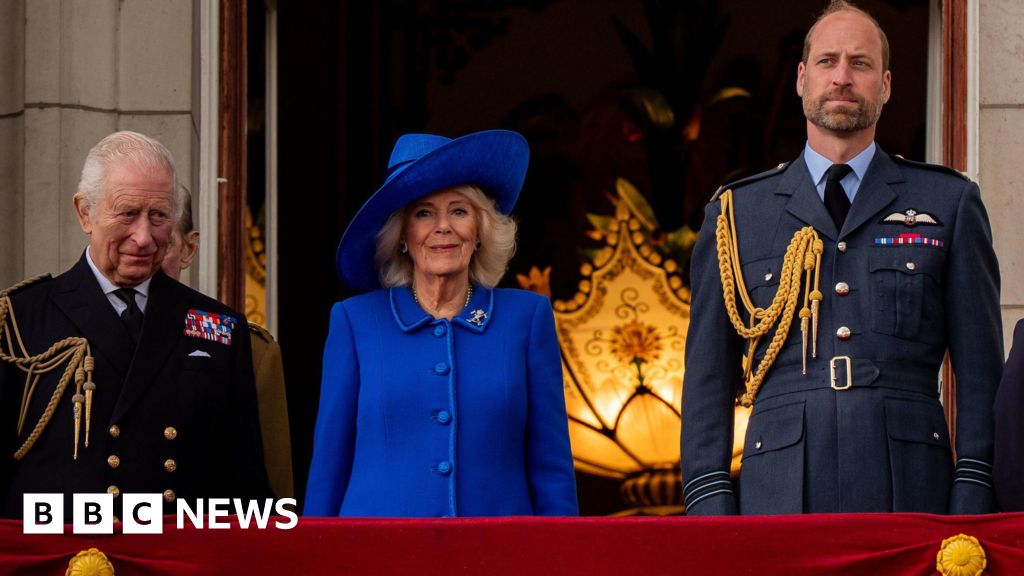
The arrest and processing of Prince Andrew has intensified reputational scrutiny of the Royal Family and the institution of the monarchy; the King has already stripped Andrew of titles and residence and pledged full cooperation with authorities. The episode highlights tensions between family loyalty and institutional duty, raises questions about prior oversight of senior royals, and poses a risk of sustained damage to public confidence in the monarchy.
Market structure: Short-term winners are news/content distributors and tabloid publishers that monetize breaking royal scandals (expect 5–15% incremental traffic/ad RPMs for 1–6 weeks). Likely listed beneficiaries: Reach plc (RCH.L), DMGT (DMGT.L) and broadcasters like ITV (ITV.L); losers in sentiment-sensitive categories include UK inbound tourism, premium hospitality and airlines (IAG.L, TUI.DE, IHG.L), which could see a 1–5% revenue shock if visitor sentiment softens. Cross-asset: expect a modest sterling wobble (‑0.5% to ‑1.5% vs USD) on persistent constitutional headlines; gilts slightly bid in risk-off but no systemic stress absent political escalation.
Risk assessment: Tail risk: a protracted inquiry or leaked material prompting parliamentary action could cause a 5–15% longer-term hit to UK tourism/reputation and a 3–5% GBP shock (low probability, high impact). Time buckets: immediate (days) = traffic/ad spikes and headline-driven volatility; short (weeks–months) = ad revenue reallocation, travel bookings flow, legal/PR fees; long (quarters–years) = institutional reputational damage and structural tourism shifts. Hidden dependencies include advertising contracts (programmatic vs direct) and digital platforms capturing incremental ad dollars; catalytic events: police/legal filings, televised testimony, parliamentary hearings within 30–90 days.
Trade implications: Tactical longs: establish 1–2% positions in RCH.L and DMGT.L for a 2–8 week news-cycle trade, trim on >20% move; buy short-dated (3–6 week) call spreads on ITV.L to capture elevated TV ratings. Defensive/short: initiate a 1% tactical short or buy 3‑month 10% OTM puts on IAG.L or TUI.DE if shares rally into headlines or fall >8% on booking data misses. Options: consider buying 2–6 week straddles on RCH.L or ITV.L to play an uncertain news duration; size vols conservatively (notional <1.5% each).
Contrarian angles: Consensus overstates permanent damage—historical royal scandals see public interest spike then normalize over 6–24 months; buy UK leisure/hospitality names (IAG.L, IHG.L) on >10% headline-driven drawdowns with 6–12 month horizon. Also, ad dollars may reallocate to digital giants—consider small 0.5–1% tactical longs in GOOGL and META to capture ad-share capture if publishers’ gains prove transient. Watch for overreactions: if GBP falls >2% or UK equities sell off >8% on non-economic news, begin systematic re-entry.
AI-powered research, real-time alerts, and portfolio analytics for institutional investors.
Request DemoOverall Sentiment
moderately negative
Sentiment Score
-0.40
