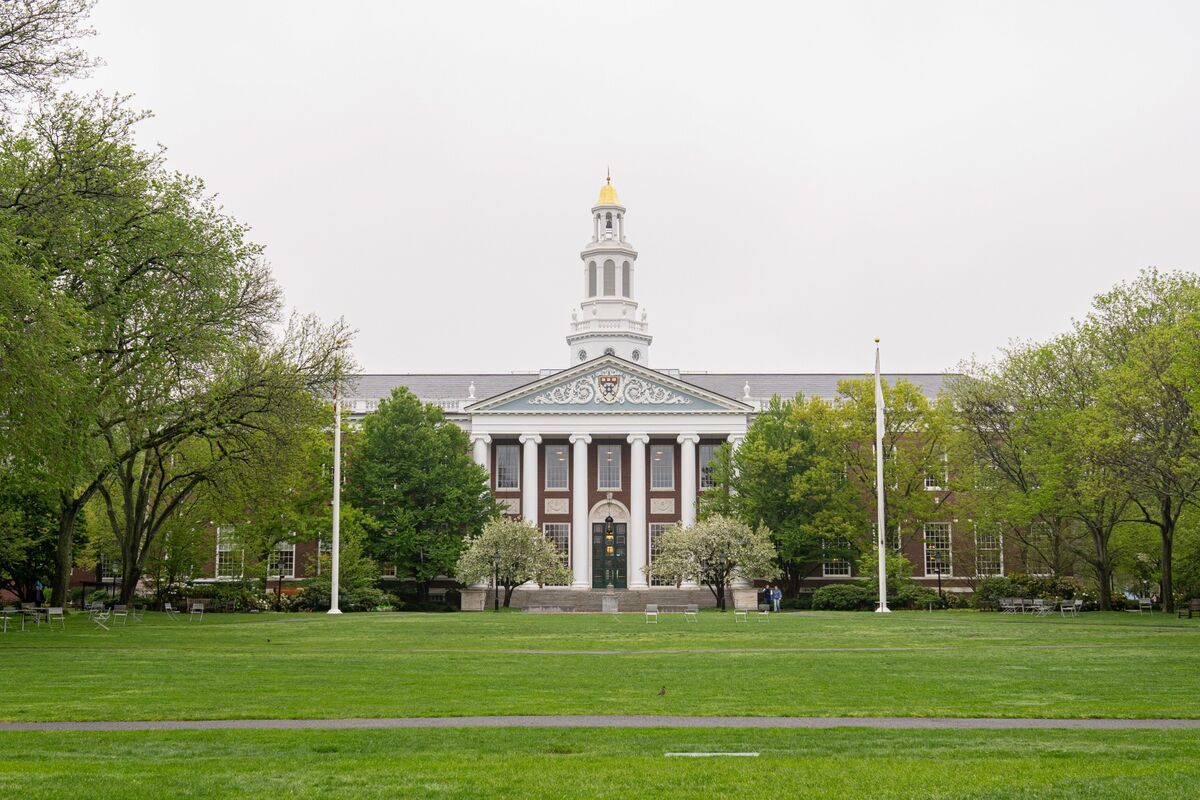
A U.S. District Judge has questioned the legality and constitutionality of the Trump administration's freeze of over $2 billion in federal research funding for Harvard University, challenging the Justice Department's justification linking the cuts to the university's handling of antisemitism. This judicial skepticism signals a potential legal hurdle for the government's ability to condition federal funding and could have broader implications for institutional autonomy.
A significant legal challenge is emerging against the Trump administration's decision to freeze over $2 billion in federal research funding for Harvard University. U.S. District Judge Allison Burroughs has overtly questioned the constitutionality of the action, labeling the Justice Department's arguments as "mind boggling." The administration's justification for the freeze is tied to Harvard's alleged failure to address antisemitism, but the judicial pushback suggests this rationale may not withstand legal scrutiny. This case is pivotal as it tests the executive branch's power to withhold congressionally allocated funds based on policy disagreements with recipient institutions. While the immediate financial market impact is negligible due to the absence of publicly traded entities, the outcome could set a critical precedent concerning the stability of federal funding for the entire higher education sector and other government-dependent industries, highlighting an intersection of legal, political, and fiscal risks.
AI-powered research, real-time alerts, and portfolio analytics for institutional investors.
Request DemoOverall Sentiment
moderately positive
Sentiment Score
0.40
