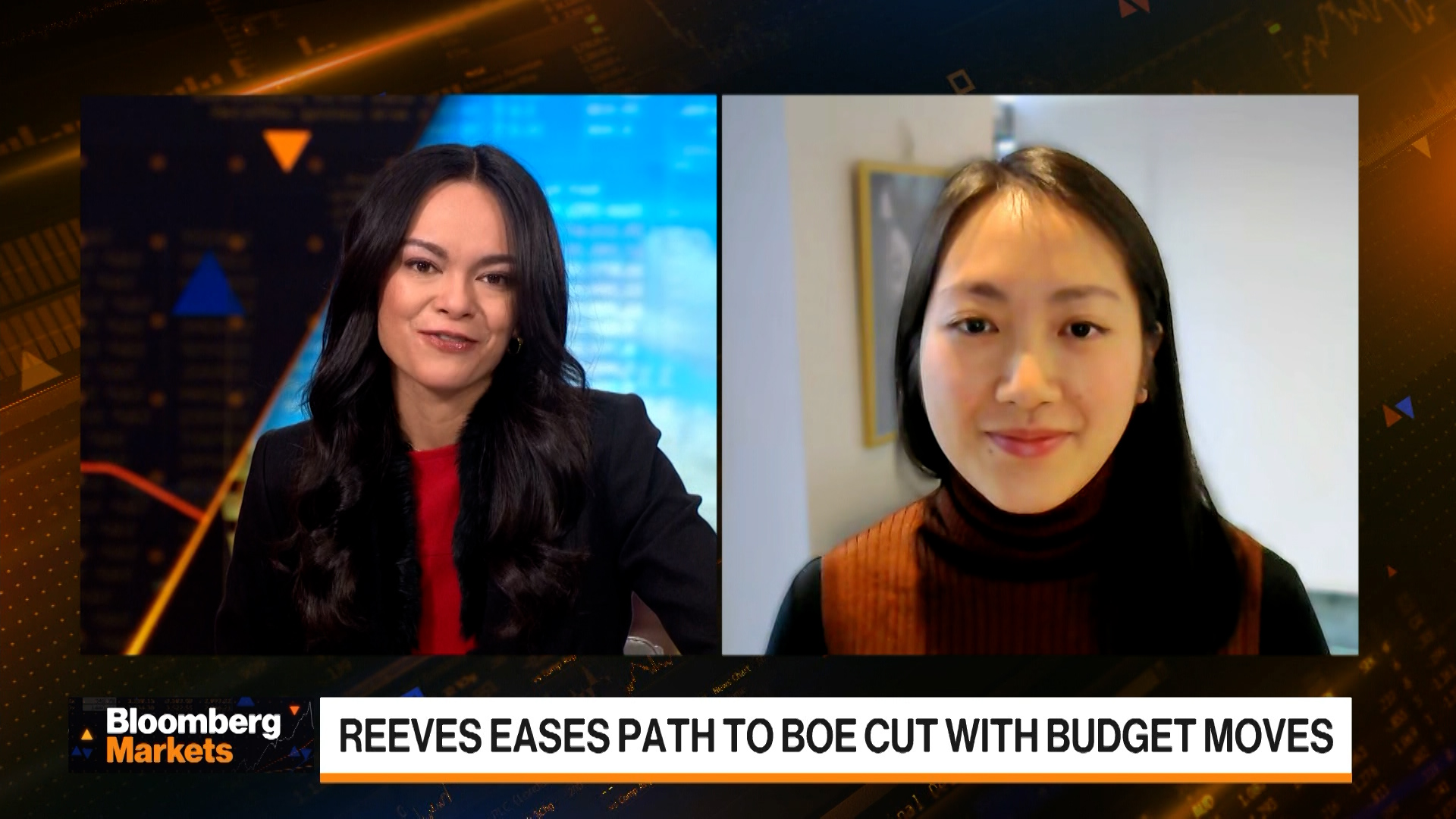
Market participants view the UK budget as manageable (noting 'double headroom' against fiscal rules) but are focused on expected backloaded consolidation and the Bank of England cutting policy more than markets price (team expects BOE terminal ~2.5%), which alongside a Fed cut path to ~3% by next September should keep sterling under pressure and sustain gilt positioning. Strategy has been to hold long gilts for duration and positive carry as a diversifier to U.S. Treasuries, while rotating into long, high-beta and cyclical equity exposures outside the U.S., expressing constructive views on European cyclical recovery and China (A-shares and China tech) as diversification plays into 2026. Investors should weigh dovish central bank expectations, currency-driven FX risk, and potential upside from a cyclical pickup against the risk of fiscal/backloaded policy surprises.
Market structure: The immediate winners are UK duration and European cyclicals — lower-for-longer BoE expectations (team view ~2.5% next year vs Fed ~3% by Sep) create scope for a 5–8% GBPUSD depreciation over 6–12 months and a rally in 5–10y gilts as carry + duration re-rate. Losers: USD-funded carry and US long-duration growth (high multiple tech) which underperform if yields re-price; UK domestic consumption-sensitive names could suffer if sterling weakness feeds imported inflation.
Risk assessment: Tail risks include a UK fiscal shock (budget U-turn or rating action) that blows out gilts and crashes GBP, or a US inflation surprise keeping Fed sticky and reversing the gilt rally — both ~5–15% P/L swings. Time horizons: immediate (days) — FX vol and gilts gap on headlines; short (weeks–months) — OIS/forward pricing of BoE; medium (H1 next year) — cyclical upswing or policy coordination. Hidden dependencies: USD direction and commodity shocks (oil) that can negate BoE easing impulse.
Trade implications: Favor modest long-duration UK exposure (5–10y) for diversification + positive carry, paired with long-GBP-delta hedges (puts); overweight European cyclicals (autos, industrials) vs US tech on a 6–12m time horizon; keep China internet (KWEB/MCHI) as a low-correlation sleeve for 6–12 months. Use option structures (GBP put spreads, euro-call/US-put collars) to control tail risk and cap carry costs.
Contrarian angles: Consensus underestimates a cyclical bounce in Europe H1; buying cyclicals now is asymmetric (limited downside vs meaningful re-rating if PMIs and new orders continue to recover). Conversely, markets may be underpricing the risk that BoE cuts are smaller — so cap size in gilts and use OIS-implied rate thresholds to force exits. Historical parallel: post-easing rotations (2016–17) rewarded cyclicals within 6–9 months; the key mispricing is correlation complacency between China/Europe vs US equities.
AI-powered research, real-time alerts, and portfolio analytics for institutional investors.
Request DemoOverall Sentiment
mildly positive
Sentiment Score
0.30
