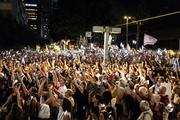
Moldova's Independence Day is marked by a high-level visit from French, German, and Polish leaders, underscoring strong Western backing for its sovereignty, ongoing reforms, and European Union integration. This significant show of support, occurring amidst upcoming parliamentary elections and following voter endorsement of its EU path, reinforces Moldova's pro-Western trajectory, potentially bolstering regional stability and investor confidence in its economic alignment with the European bloc.
A high-level diplomatic visit to Moldova by French, German, and Polish leaders on its Independence Day serves as a powerful signal of Western support for the country's pro-European trajectory. This event is strategically timed one month before the September 28 parliamentary elections, aiming to reinforce the political mandate of President Maia Sandu's government. Her Party of Action and Solidarity (PAS), which secured a 63-seat majority in 2021 on a domestic anti-corruption platform, has since pivoted to an explicitly anti-Kremlin and pro-EU integration stance. This strategic shift has been endorsed by voters, who recently re-elected Sandu and approved EU membership in a referendum. The visit underscores the geopolitical realignment occurring in the region, solidifying Moldova's path as an EU candidate country and reinforcing its commitment to reforms. While the associated market impact score of 0.1 indicates this event has limited immediate effect on broader markets, it is a critical development for Moldova's long-term political and economic stability.
AI-powered research, real-time alerts, and portfolio analytics for institutional investors.
Request DemoOverall Sentiment
neutral
Sentiment Score
0.00
