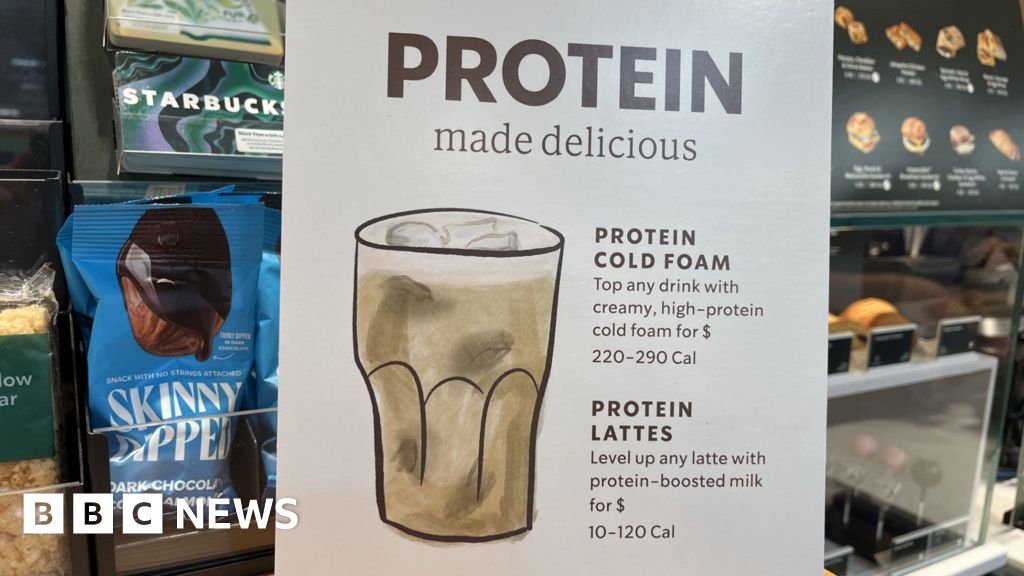
The food industry is experiencing a robust "high-protein craze," evidenced by a 4.8% volume growth in protein-rich product sales and a resurgence in traditional dairy consumption, which now significantly outpaces and grows faster than plant-based alternatives. This trend is driving innovation, with companies like French startup Verley developing fermentation-based processes to produce sustainable, dairy-identical high-protein ingredients, targeting specific nutritional benefits and potential demand from new health trends. Despite expert warnings about marketing-driven hype and overconsumption, strong consumer demand, heavily influenced by social media, continues to reshape the market, creating opportunities for both established dairy and innovative food tech firms.
The food sector is experiencing a significant "high-protein craze," evidenced by a 4.8% volume growth in protein-rich product sales in the US between March 2024 and March 2025, according to NielsenIQ. This trend has notably revitalized the dairy industry, with milk consumption increasing for the first time since 2009, attributed partly to protein demand. Conversely, plant-based milk alternatives, particularly almond milk, are seeing declining sales volumes and reduced online search interest, with milk's global market value ($69.3bn) now significantly outpacing and growing faster than alternatives ($8.4bn).
Innovation is emerging to capitalize on this demand, exemplified by Verley, a French startup developing fermentation-based beta-lactoglobulin. This technology aims to produce dairy-identical protein suitable for vegans, addressing both specific nutritional benefits like leucine content and environmental concerns associated with traditional dairy production. While initially more expensive, Verley targets cost reduction through scale and regulatory approvals, positioning itself for a premium market segment.
Despite strong consumer demand, nutritionists caution that the high-protein trend is largely marketing-driven, with most individuals already consuming sufficient protein. Experts like Dr. Federica Amati highlight potential health risks from excessive protein intake, particularly from non-plant-based sources, and advocate for whole foods and fiber. Nevertheless, consumer behavior, heavily influenced by social media and aspirational fitness content, continues to drive market focus on protein, creating opportunities for manufacturers to add protein and increase pricing.
AI-powered research, real-time alerts, and portfolio analytics for institutional investors.
Request DemoOverall Sentiment
mixed
Sentiment Score
0.15
Ticker Sentiment
