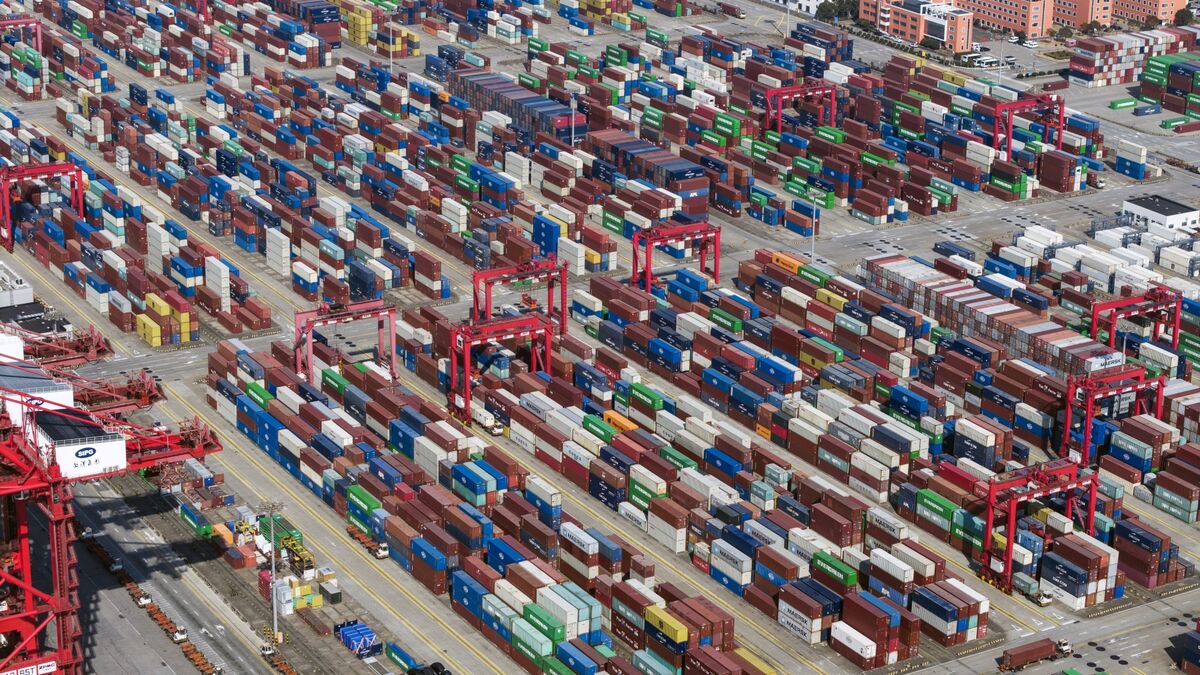
European Central Bank research indicates that the European Union's trading partners have become significantly less democratic over the past quarter-century, a trend that contradicts stated government commitments to human rights. While increased trade with nations like China accounts for part of this shift, the broader deterioration in democratic standards among EU trade partners suggests a fundamental geopolitical evolution in the bloc's economic engagements.
Research published by the European Central Bank reveals a significant, quarter-century trend of the European Union increasingly trading with less democratic partners, a direct contradiction of the bloc's stated commitments to political and human rights. This geopolitical shift is partially driven by increased trade with China, which accounts for approximately one-fifth of EU imports despite its low democracy ranking. However, the research indicates the issue is broader than China alone, pointing to a systemic deterioration in the democratic standards of the EU's trading partners since the late 1990s. This long-term evolution signals a pragmatic, yet potentially unstable, reorientation of EU trade policy, prioritizing economic relationships over political values and exposing the European economy to heightened geopolitical and supply chain risks associated with autocratic regimes.
AI-powered research, real-time alerts, and portfolio analytics for institutional investors.
Request DemoOverall Sentiment
moderately negative
Sentiment Score
-0.50
