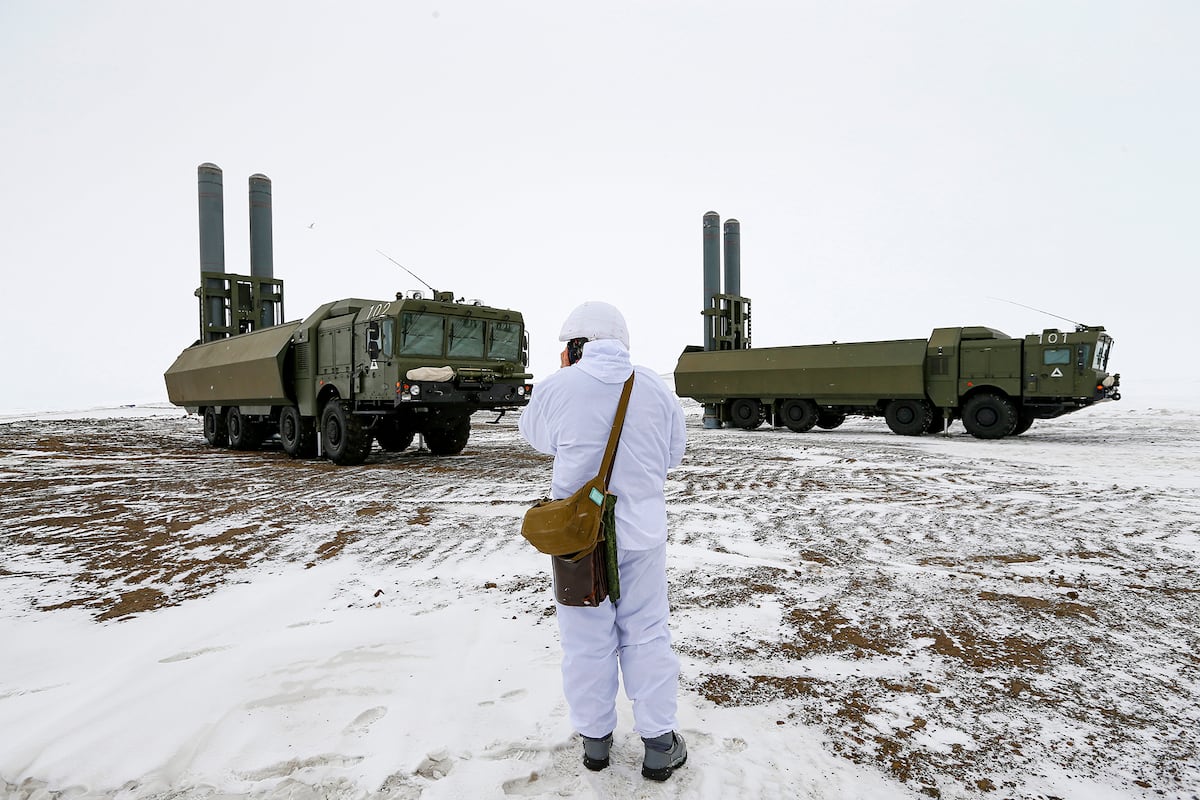
Denmark’s Joint Arctic Commander Maj. Gen. Søren Andersen warned that Russia is likely to shift attention to the Arctic after the Ukraine war, as melting sea ice makes the region more accessible for shipping and resource extraction; Denmark has responded by ramping up forces to defend Greenland, deploying a frigate and two EH101 Merlin helicopters and stressing the need for allied training to operate in the region’s extreme conditions. The Arctic Institute cautioned that Svalbard’s ambiguous legal status makes it a potential flashpoint, noting Moscow’s buildup at Nagurskoye — 260 km from Svalbard — where a 2020 runway extension and year‑round operations have increased the area’s combat-capable presence. Together these developments point to accelerating militarization of the High North and heightened strategic risks for NATO, Arctic shipping lanes and resource access.
Denmark's Joint Arctic Commander Maj. Gen. Søren Andersen warned that Russia is likely to shift effort to the Arctic once the Ukraine war ends, and the article documents Denmark's June deployment of a frigate and two EH101 Merlin helicopters to Greenland; the Merlins can reach Nuuk from Karup in 13 hours. Melting sea ice is increasing access for shipping and resource extraction, making the High North a growing geopolitical hotspot.
The Arctic's extreme weather and scarce infrastructure make operations uniquely difficult—refueling and emergency landing sites are limited and travel can require snowmobile or dogsled—leading Andersen to argue for more allied training in Greenland. That operational gap implies near‑term demand for enhanced Arctic logistics, specialized airlift/ship capabilities and regular multinational exercises.
An Arctic Institute report flags Svalbard as a potential flashpoint: Russia’s Nagurskoye base is about 260 km away, had a runway extension in 2020 to handle MiG‑31s, Su‑34s and Il‑76s, and now operates year‑round, including hosting long‑range bombers on occasion. These developments increase geopolitical risk premiums for NATO, Arctic shipping lanes and resource access and support a modest rise in defense and Arctic‑infrastructure spending expectations.
AI-powered research, real-time alerts, and portfolio analytics for institutional investors.
Overall Sentiment
moderately negative
Sentiment Score
-0.45
