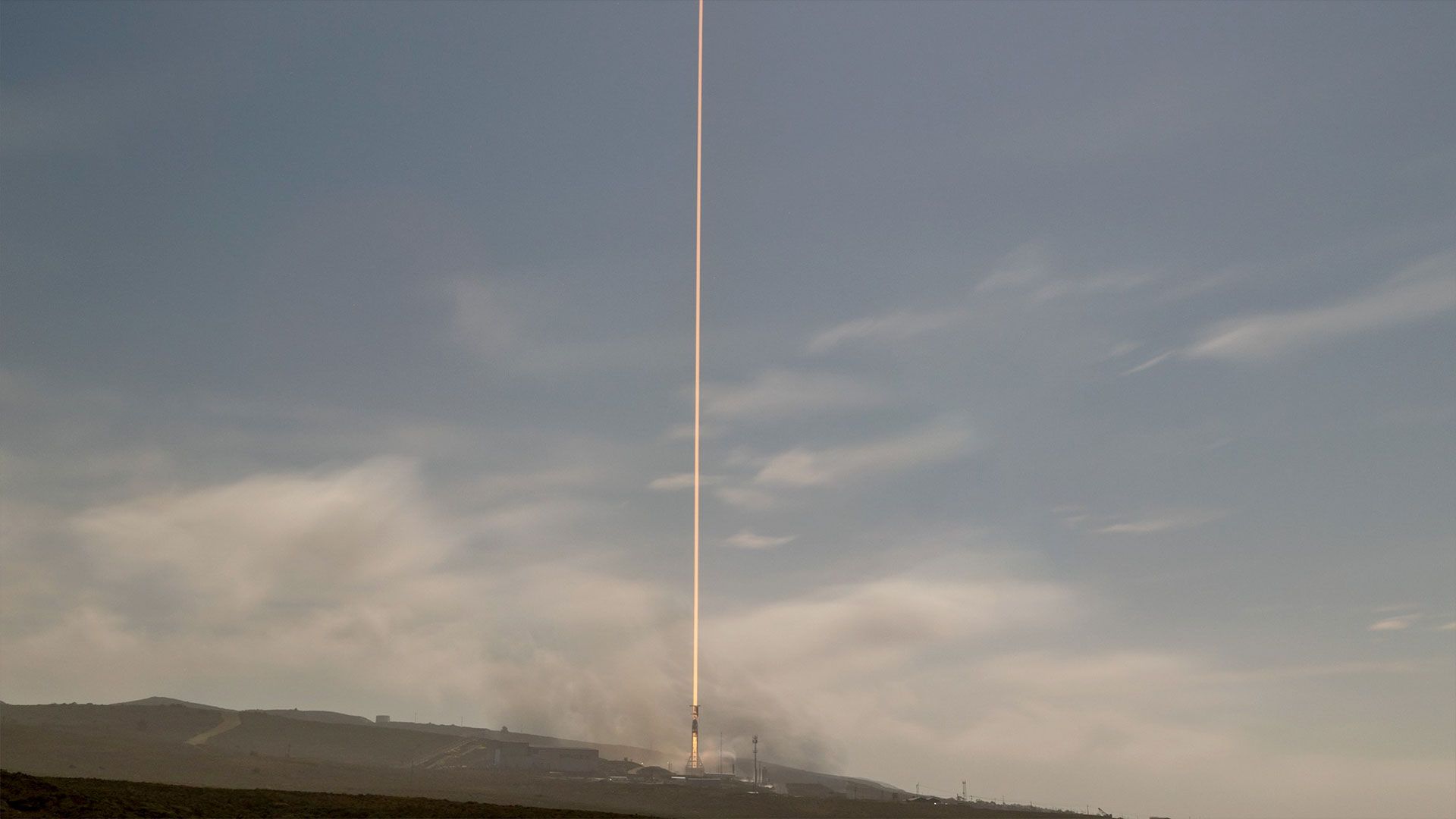
SpaceX resumed Falcon 9 operations on Feb. 7 with a successful launch from Vandenberg SFB carrying 25 Starlink satellites (Group 17-33), deploying them about an hour after liftoff; first stage Booster 1088 completed its 13th flight and landed on the drone ship. The return-to-flight follows a Feb. 2 upper-stage off-nominal event caused by a gas bubble in a transfer tube; SpaceX reported findings and corrective actions to the FAA and received clearance to resume launches. The successful mission and regulatory sign-off reduce near-term operational risk for SpaceX’s Starlink rollout (now >9,600 active satellites) and reaffirm booster reusability performance, but the item is unlikely to move broad markets materially.
Market structure: SpaceX clearing an FAA pause and flying again sustains an already high launch cadence and deepens its cost and scheduling advantage versus smaller launchers. Reused Booster 1088 on its 13th flight signals continued CAPEX leverage from reusability; expect downward pressure on per-kg launch pricing for the next 6–24 months, squeezing Rocket Lab (RKLB) and boutique rideshare margins while accelerating Starlink capacity growth (>9,600 sats today).
Risk assessment: Near-term regulatory overhang eased (days–weeks) but tail risks remain: a catastrophic upper-stage failure or a stricter FAA mandate could cause multi-week groundings and spike insurance premiums; severe debris policy changes in 12–36 months could force deorbit tech retrofits and raise per-launch OPEX by an estimated double-digit percent. Hidden dependencies include insurance market capacity and government national-security contracting preferences that can rapidly reroute launch demand.
Trade implications: Favor defense primes and traditional launch contractors as defensive longs (LMT, NOC) for 6–12 months if regulatory scrutiny rises; short or hedge pure-play small-launchers (RKLB) and satellite broadband incumbents (VSAT) that face ARPU pressure from Starlink’s scale. Use short-dated options to express views: 3-month puts on RKLB/VSAT to limit capital while capturing event risk; avoid levered long exposure to satellite broadband incumbents until FAA/insurance clarity (30–60 days).
Contrarian angle: Consensus underestimates systemic orbital-capacity risk — rapid Starlink growth raises collision/insurance/regulatory externalities that could flip advantage to well-capitalized incumbents or national-security-favored contractors. If FAA or international regulators impose stricter debris mitigation within 12–24 months, SpaceX’s operational lead could become a liability (costly retrofits), creating a sharp buying opportunity in beaten-down launch suppliers.
AI-powered research, real-time alerts, and portfolio analytics for institutional investors.
Request DemoOverall Sentiment
moderately positive
Sentiment Score
0.35
