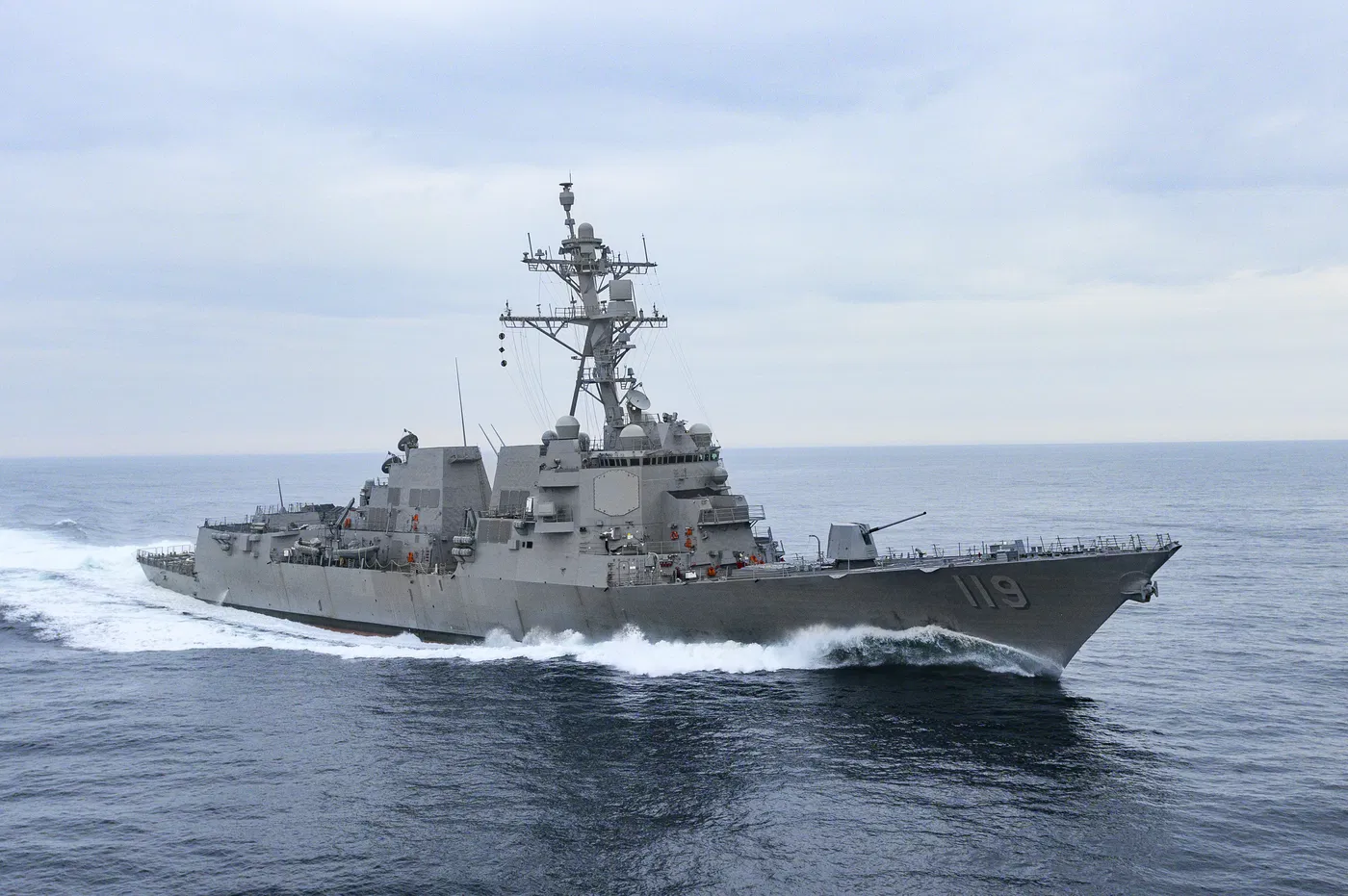
The Pentagon has prioritized bolstering air defenses in the Middle East rather than launching imminent strikes on Iran, deploying an additional THAAD battery and Patriot systems to Jordan, Kuwait, Bahrain, Saudi Arabia and Qatar, three F-15E squadrons to Jordan, eight guided-missile destroyers and repositioning F-35s closer to the region. Gulf allies have closed their airspace to U.S. attack flights and Saudi Arabia is acquiring seven THAAD batteries, constraining U.S. strike options; analysts warn any larger U.S. operation could provoke Iranian missile attacks, proxy strikes or militia actions, underscoring heightened regional tail risks for energy and risk assets. Previous U.S. strikes and Iran’s limited retaliatory attack on Al Udeid — largely intercepted by Patriots — highlight potential demand for missile-defense and defense-sector exposure while keeping near-term direct escalation probability contained.
Market structure: Clear winners are missile/air-defense and avionics suppliers (expect incremental order flow to Lockheed (LMT), Raytheon (RTX), Northrop (NOC)); energy majors (XOM, CVX) and shipping insurers also benefit if Strait-of‑Hormuz risk premiums rise. Losers include commercial aviation (AAL, UAL, DAL) from higher fuel/route costs and regional trade flows, and EM FX/credit in Gulf/Near‑East that price in geopolitical premium. Expect defense pricing power to firm over 6–18 months as Gulf procurement (e.g., Saudi THAAD buys) converts to multi-year contracts; short-term procurement is supply-constrained for interceptors and high-end munitions.
Risk assessment: Tail risks include a full regional war (low probability, high impact) that could spike Brent >$150/bbl and trigger a 10–25% equity drawdown; a targeted but limited exchange is more likely near-term, driving episodic vol spikes. Time horizons: days = volatility and safe‑haven flows (USD, T‑bills, gold); weeks/months = oil and defense order rephasing; quarters/years = sustained defense budget increases and supply-chain reconfiguration. Hidden dependencies: Gulf airspace closures force U.S. reliance on sea-based and standoff munitions, shifting demand from tactical aircraft to missiles/submarine‑launched weapons.
Trade implications: Favor concentrated, time‑boxed defense exposure and explicit oil tail hedges while trimming cyclical travel exposure. Implement directionally via equity positions sized 1–3% and volatility/oil options for asymmetric upside; add 3–6 week liquidity buffers (5–10% cash/T‑bills) to buy into dislocations. Catalysts to watch: a major proxy strike (Houthis >3 attacks/week), a U.S. ordered strike, or a breakdown in talks within 30 days—each would accelerate risk premia.
AI-powered research, real-time alerts, and portfolio analytics for institutional investors.
Request DemoOverall Sentiment
moderately negative
Sentiment Score
-0.35
Contrarian angles: Consensus likely prices a straight defense win but underprices multi‑year procurement timelines and the beneficiaries (missiles, interceptors, subs) vs. aircraft OEMs. History (2019–2021 Gulf skirmishes) shows oil spikes often mean‑revert in 6–12 weeks absent supply cuts; therefore small, cheap option‑style oil exposure is preferable to large spot longs. Unintended consequence: Gulf airspace denials may stimulate accelerated indigenous procurement and diversification away from U.S. basing — a multi‑year structural tailwind for systems sales, not immediate revenue.
