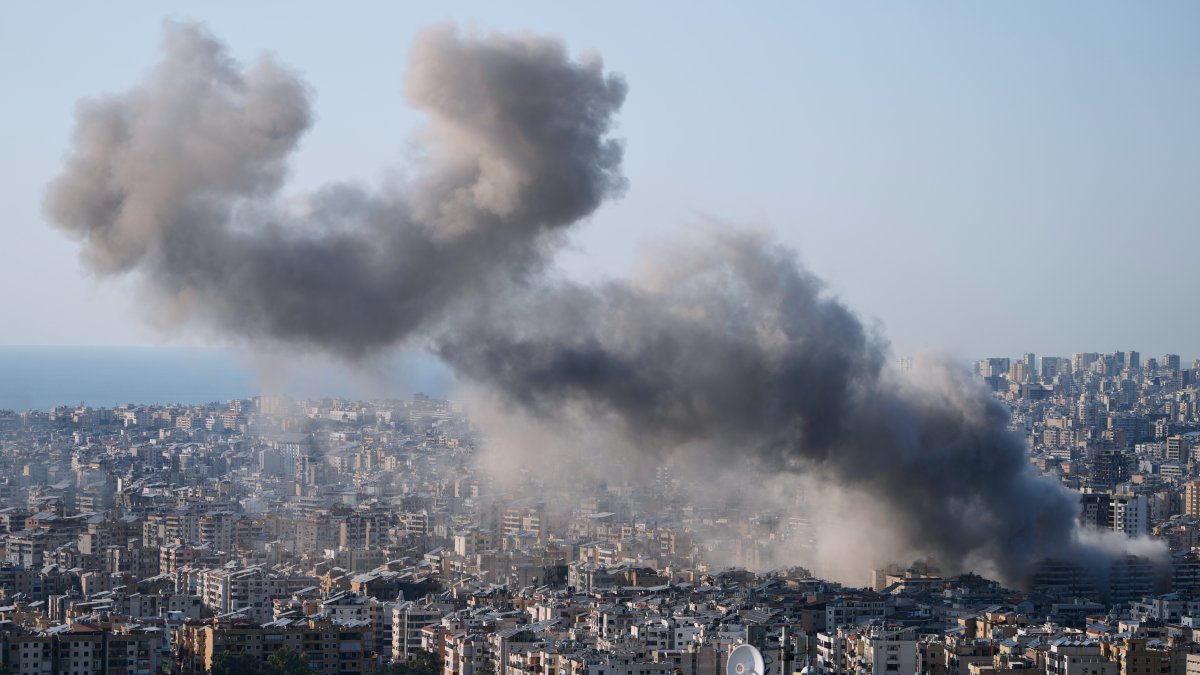
Three ships were attacked this morning near the Strait of Hormuz, a chokepoint that handles roughly 20% of global oil, and Iran’s new Supreme Leader Ayatollah Mojtaba Khamenei has reportedly been wounded. Scores have been killed across the Middle East; the Pentagon reports seven U.S. service members killed and 140 injured (eight severely), raising the prospect of wider military escalation and disruptions to shipping, insurance costs, and energy markets. President Trump will visit Ohio and Kentucky amid the crisis, signalling a domestic political response while geopolitical risk spikes.
Market impact will be concentrated in chokepoints and the services that underwrite transit risk. Expect a rapid repricing of marine war-risk insurance (likely 2-4x on short-duration policies) and an immediate widening of freight and charter spreads as operators either pay premiums to transit or reroute. That repricing acts as a tax on global trade flows: energy and bulk commodity delivered costs rise first, then containerized goods, boosting near-term inflation on headline CPI components tied to durable imports over the next 1-3 months.
Energy markets face an asymmetric shock: production that is offline or cut off from optimal export routes is slow to come back, whereas spare tanker capacity and strategic reserve releases can temporarily blunt price spikes. This suggests elevated volatility rather than a monotonic price path — swings within a $10-$20 band are more likely over 1-3 months, with persistent structural upside risk if disruptions last beyond a quarter. Refiners and logistics-heavy industrials will see margin squeezes faster than upstream producers capture windfall cash flows.
Defense, maritime services, and reinsurance are the natural beneficiaries; procurement timelines can accelerate budgetary commitments within 3-12 months, not years, which creates a near-term revenue inflection for mid-to-large defense contractors and specialty service providers. Conversely, airlines with narrow margins, container carriers without scale-owned fleets, and refiners exposed to degraded feedstock flows are exposed to earnings downside in the quarter ahead.
Main risk is political de-escalation via rapid diplomatic channels or coordinated strategic releases that normalize flows within weeks — that would compress insurance premia and snap spreads back, penalizing short-duration tactical longs. Tail risk is a protracted multi-month campaign that reallocates shipping lanes and forces structural increases in fleet and insurance costs, shifting returns from cyclical to secular for winners.
AI-powered research, real-time alerts, and portfolio analytics for institutional investors.
Request DemoOverall Sentiment
strongly negative
Sentiment Score
-0.80
