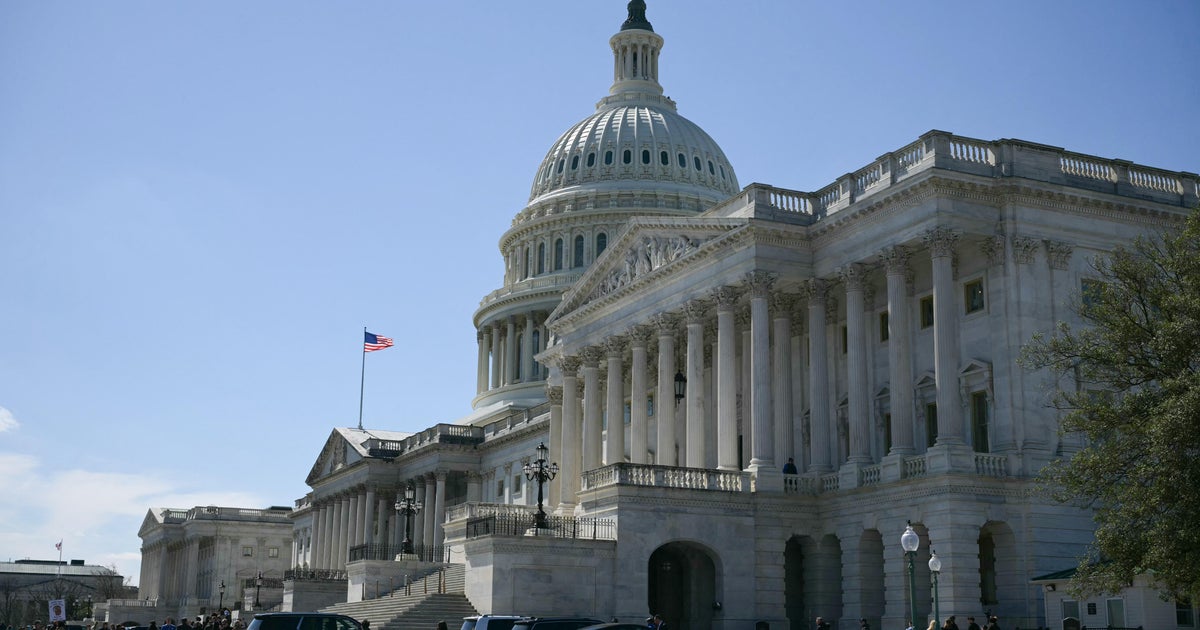
DHS shutdown has reached 45 days, the longest in history, with more than 500 TSA agents quitting and TSA employees beginning to receive partial back pay after a presidential directive. The Senate unanimously approved a funding measure that excluded ICE while House Republicans passed a 60-day continuing resolution; the chambers remain unreconciled and Congress is on recess until the week of April 13, leaving DHS unfunded absent agreement. Continued political infighting and the need for bipartisan support in the Senate raise the risk of prolonged operational disruptions at airports and potential stress on travel and security-related sectors.
The operational shock is asymmetric: knock-on effects concentrate in high-frequency touchpoints (airlines, airport retail, express cargo) rather than broad consumer demand. Expect a measurable deterioration in on‑time performance and connection reliability within 2–4 weeks — every 1–2% of TSA staffing attrition historically translates into a 5–10% rise in missed connections at hub airports, disproportionately penalizing low‑margin regional and connecting flights.
A fiscal/legislative stalemate that drags beyond the current congressional break shifts the damage from transitory inconvenience to incremental cost: airlines face higher crew‑turn costs, passenger reaccommodation, and potential contract penalty exposure, while private detention and deportation contractors face a revenue cliff if ICE funding is carved out of any continuing resolution. Conversely, prime DHS contractors with broader defense/IT footprints (cyber, biometric identity, managed services) are positioned to capture stop‑gap funding and multi‑year re‑procurements, creating a divergence between tactical operational losers and strategic program winners.
Catalysts to watch in the near term are binary and calendar‑driven: a reconvened floor vote within days would rapidly compress market risk premia, while a protracted impasse over 4–8 weeks would force airlines and integrators to reprice service, raising marginal yields for express shippers (short window for pass‑through) but compressing airline equity multiples. Political outcomes (House/Senate reconciliation, executive convening of Congress) remain the dominant tail risk; litigation or emergency executive actions are lower‑probability but would reallocate flows unpredictably across contractors and service providers.
AI-powered research, real-time alerts, and portfolio analytics for institutional investors.
Request DemoOverall Sentiment
moderately negative
Sentiment Score
-0.45
