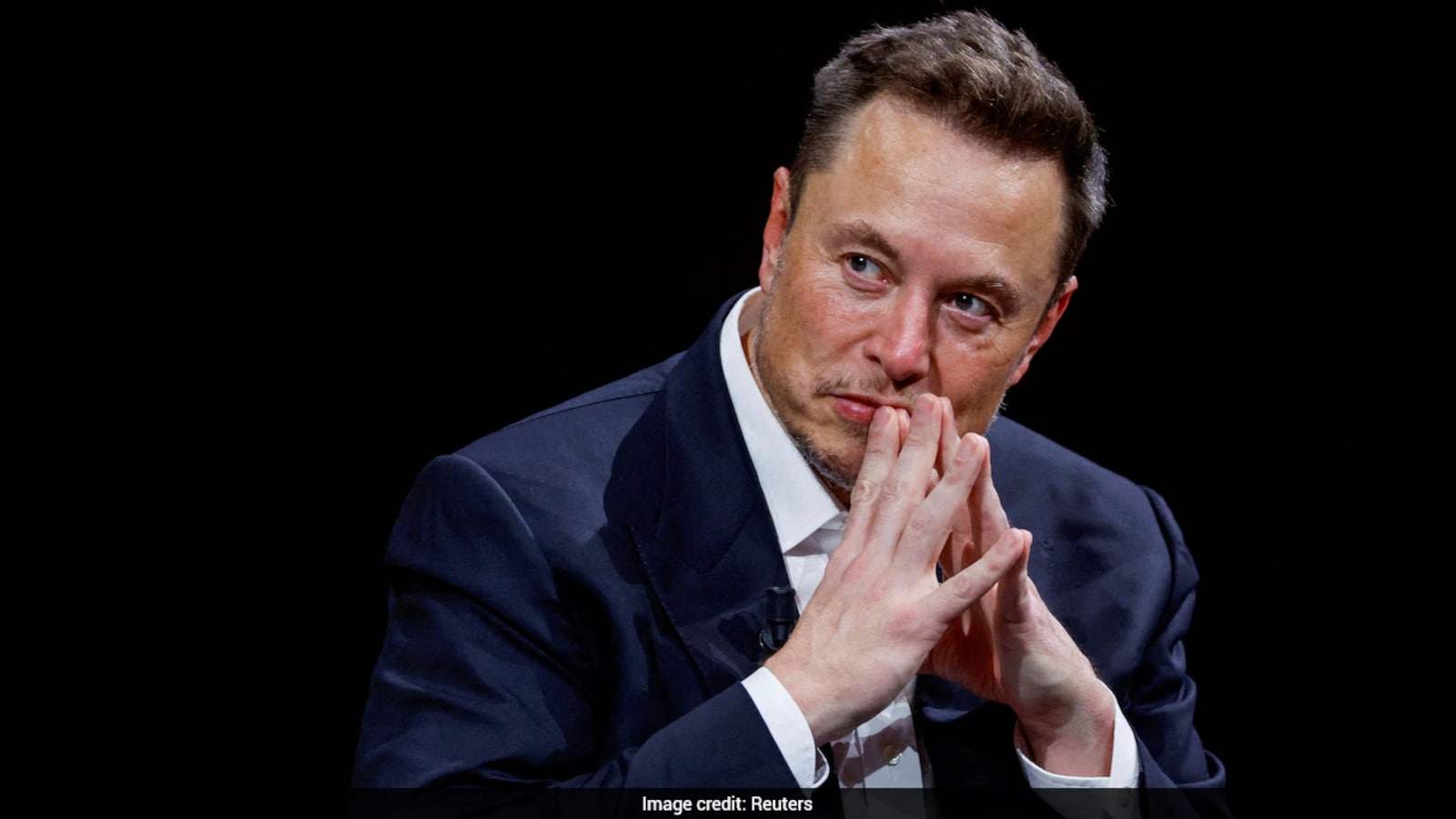
A California court rejected Elon Musk's claims against OpenAI, denying his bid for $150 billion in damages and relief that could have constrained OpenAI's for-profit transition and governance. The ruling removes near-term legal uncertainty for OpenAI and its backers, while reinforcing the view that AI control, ownership and market power are becoming central strategic issues. The case is a reputational setback for Musk, but it is unlikely to affect Tesla or SpaceX directly.
The important market read-through is not the courtroom loss itself, but the removal of a near-term overhang on OpenAI’s capital formation. In frontier AI, legal uncertainty is a financing tax: it raises hurdle rates for hyperscalers, delays procurement decisions, and gives rivals room to argue that the leader’s structure is unstable. With that cloud lifted, the likely second-order effect is faster check-writing by enterprise customers and faster commitment of capex by ecosystem suppliers, because the market now has one less reason to discount the durability of AI spending.
The relative winners are the infrastructure toll collectors, not the model layer. MSFT benefits most on a risk-adjusted basis because its distribution, cloud, and balance-sheet support to OpenAI now looks more entrenched; NVDA also gains because every incremental month of strategic clarity improves GPU order visibility and reduces the odds of a spending pause. GOOGL and AMZN face a more subtle issue: the verdict reinforces the idea that AI is consolidating around a small number of power centers, which increases competitive pressure on their own AI stacks and could force more aggressive pricing or capex to defend share.
The contrarian point is that the ruling may actually be bearish for AI software purity and long-term competition. If markets now assume the “winner-take-most” structure is legally and commercially durable, valuations may overprice near-term monetization while underpricing future antitrust and governance intervention. The real risk is a later regulatory response, likely 6-18 months out, once lawmakers decide the sector has concentrated too much power in too few hands.
For TSLA, the direct impact is limited, but the indirect signal is negative for Musk’s narrative premium: persistent litigation losses erode the “inevitable founder” multiple and may increase distraction risk at the margin. That said, the stock-specific effect should be modest unless Musk escalates into a broader governance fight that creates management bandwidth strain or capital-market fatigue.
AI-powered research, real-time alerts, and portfolio analytics for institutional investors.
Request DemoOverall Sentiment
mildly negative
Sentiment Score
-0.15
Ticker Sentiment
