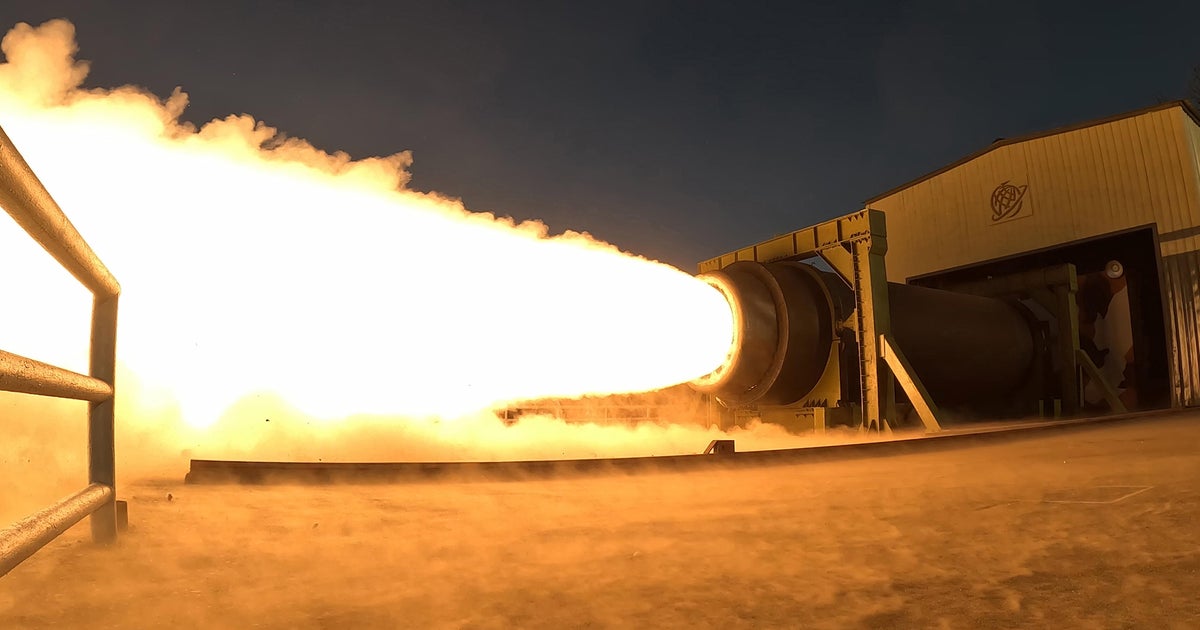
North Korea reported a ground test of an upgraded solid-fuel rocket engine with claimed maximum thrust of 2,500 kN, roughly a 27% increase from the ~1,970 kN figure cited in a September test, and said it can power missiles capable of reaching the U.S. mainland. The test lacks independent verification and omits key technical details (e.g., total combustion time), so analysts flag possible exaggeration or program delays and note potential Russian assistance. Implication for portfolios: elevated geopolitical risk is likely to drive risk-off flows and defense-sector focus, while uncertainty could pressure regional assets and prompt heightened monitoring of sanctions and military escalation risks.
This raises a near-term policy and procurement reflex: expect accelerated spending postures from U.S. allies and a faster prioritization of mobile, layered missile defenses over large capital platforms. That reorders procurement cash flows over 6–18 months toward interceptors, sensors, and mobility upgrades where incumbents have sticky program positions — think programs that can be restarted or expanded without new R&D cycles.
A second-order supply-chain effect is a squeeze on specialized composite and propellant chemistry inputs that underpin solid motors; if export controls tighten (or if Russian cooperation yields hard-to-trace tech flows) Western sovereigns will prefer onshore suppliers, boosting pricing power for listed composite and defense-tier suppliers. Expect margin tailwinds concentrated in prime contractors and a handful of specialty materials names over 12–36 months, while commercial aerospace cyclical names could see offsetting weakness if airlines face higher insurance/premia and flight-path risk.
Tail risks include rapid diplomatic de-escalation (months) that would materially unwind any policy-driven contract acceleration, and a credible technical failure or exposure that reveals the program is lagging — either outcome could produce a sharp mean-reversion in defense equities. For positioning, favor convex, funded exposure to primes and materials suppliers with explicit program optionality, and use short-duration volatility hedges or airline/transportation shorts to capture the immediate risk-off re-pricing.
AI-powered research, real-time alerts, and portfolio analytics for institutional investors.
Request DemoOverall Sentiment
mildly negative
Sentiment Score
-0.35
