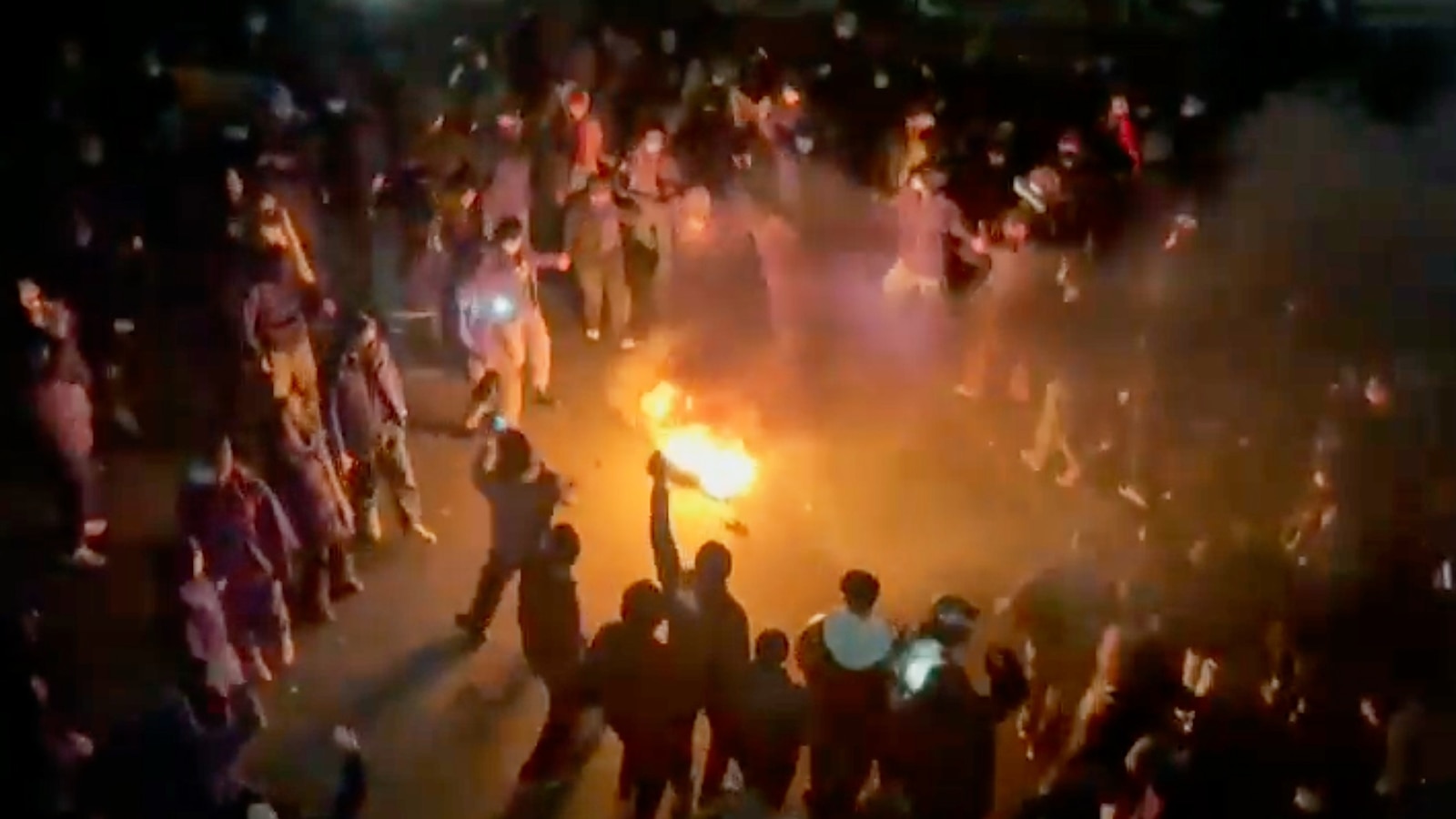
Anti-government protests in Iran entered a 14th day with U.S.-based HRANA reporting at least 116 killed (including seven children) and 2,638 arrests across 574 locations in 185 cities covering all 31 provinces, while state-aligned Tasnim reported 109 security personnel killed. The unrest—sparked by rising inflation and a sharply weakening rial—has seen security crackdowns and nationwide internet outages exceeding 60 hours, and has prompted hardline warnings about potential escalation involving U.S. and Israeli targets. These developments raise near-term geopolitical risk and potential spillovers to emerging-market assets, Iranian oil-related flows and risk premia, arguing for a cautious, risk-off posture among investors.
Market structure: Short-term winners are defense (LMT, NOC), oil exporters and integrated majors (XOM, CVX), satellite communications (IRDM, VSAT) and safe-havens (GLD, TLT). Losers are Iran-exposed EM equities/currencies (EEM, local FX), airlines (DAL, UAL) and regional trade-dependent sectors; roughly 20% of seaborne crude transits the Strait of Hormuz, so even risk of partial disruption can lift Brent/WTI by $3–$10 in days. Risk-off flows should push USD higher, US Treasuries yields lower (2s10s flatten), VIX up and EM sovereign spreads wider by 50–200bp depending on escalation.
Risk assessment: Tail scenarios include (A) limited regional strike that lifts oil >$20/barrel and knocks S&P -8–12% within 2–6 weeks, (B) major cyberattack on energy/shipping insurance causing multi-week logistics shock, or (C) swift containment with muted market moves. Immediate horizon (days): price and volatility shocks; short-term (weeks–months): wider EM spreads, higher insurance/shipping costs; long-term (quarters+): re-routing and strategic energy realignments. Hidden dependencies include shipping insurance (P&I) rates, sovereign sanctions timing, and OPEC spare capacity responses; catalysts: US/Israel strikes, Iran targeting tankers, or OPEC emergency output increases.
Trade implications: Tactical plays: long select defense (2–3% position in LMT, NOC) targeting +5–12% over 3–6 months; 1–2% GLD as tail hedge for a 2–6% portfolio drawdown; buy 1–2 month WTI/Brent call spreads (e.g., USO or BNO call spread) to capture a $3–8 upward move while limiting theta. Relative trades: short EEM vs long SPY (size 1:1) for 4–8 weeks to capture EM beta hit; cut airline exposure (trim DAL, UAL by 25–40%) immediately. Capital-preserving options: buy 30–60 day VIX or SPX put protection sized to cap portfolio loss at target threshold (e.g., protect against >6% drawdown).
Contrarian angles: Consensus may overprice a sustained oil shock — if Brent rallies >12% within 10 trading days or breaches ~$85, consider fading with short front-month futures or selling energy call spreads because OPEC can deliver ~1–3m bpd spare capacity over weeks. Market may underprice satellite/comms upside; investors who buy IRDM/VSAT on dips (3–6 month horizon) can capture durable demand for non-terrestrial comms. Also consider layering buys into EM equities if EEM falls >10% from pre-unrest levels and CDS widens >150bp, since episodic geopolitical shocks have historically mean-reverted within 3–9 months.
AI-powered research, real-time alerts, and portfolio analytics for institutional investors.
Request DemoOverall Sentiment
strongly negative
Sentiment Score
-0.60
