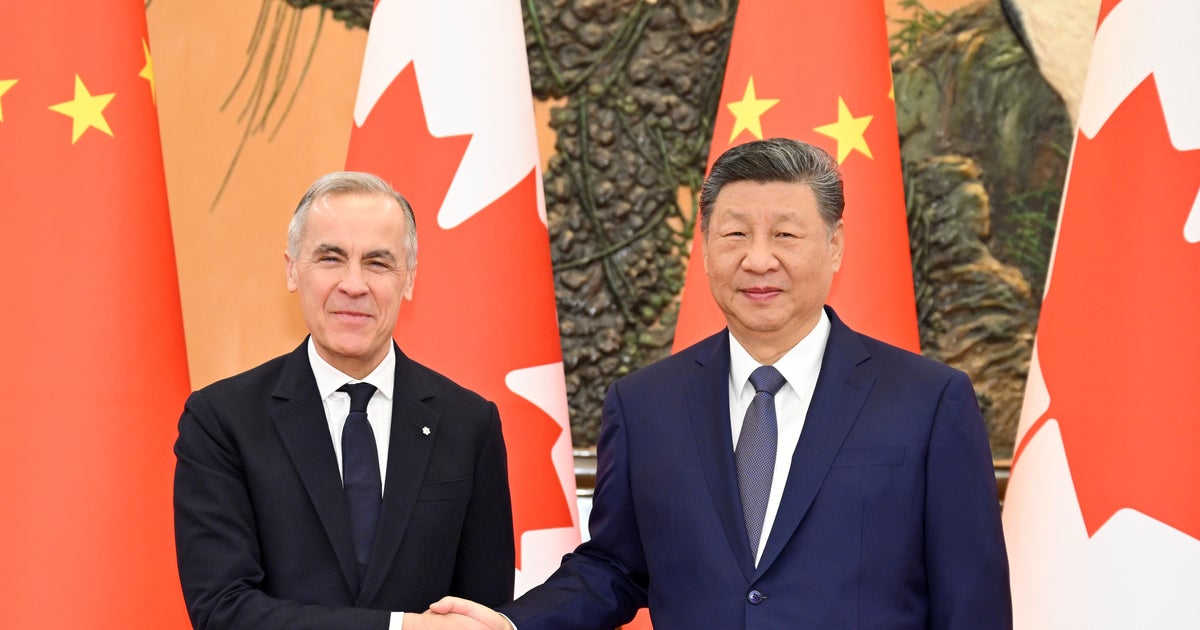
Canada agreed to roll back a 100% tariff on Chinese electric vehicles in exchange for China sharply reducing tariffs on Canadian farm products (canola seed duties cut from 84% to about 15%), with an initial annual cap of 49,000 EVs rising to ~70,000 over five years (roughly 3% of Canada’s ~1.8m annual vehicle market). The deal is expected to reopen Chinese markets to Canadian agriculture, pressure consumer auto prices downward (more than half of Chinese EVs to Canada projected under CAD 35,000 within five years), and include a commitment toward Chinese investment in Canada’s auto sector within three years, shifting bilateral trade dynamics and sectoral exposures for investors.
Market structure: The Canada-China deal creates a narrowly sized but strategic opening for Chinese EV OEMs (49k cars year-one → ~70k/year in 5 years, ~3–4% of Canada's 1.8m annual market). Expect downward price pressure at the entry-level ( >50% of imports < CAD35k within 5 years), benefiting Chinese OEMs (BYD/BYDDF, NIO, LI) and pressuring margin-sensitive Canadian/NA dealers and low-mix Tier-1 suppliers. Agriculture and oilseed processors win materially: a drop in Chinese canola seed duties from ~84%→~15% is a step-change for export volumes and processing margins.
Risk assessment: Tail risks include US political pushback (tariff alignment pressure or secondary sanctions) and a failure by Chinese OEMs to make the promised Canada investments within 12–36 months; either would reverse flows and re-rate winners. Immediate (days-weeks) market moves will be limited; short-term (3–12 months) will see FX and ag exporter re-pricing; long-term (2–5 years) could shift share in entry-level EV segments and reshape parts supply-chains. Hidden dependency: Canadian auto jobs and provincial subsidies create political pressure that could produce abrupt regulatory changes if job losses accelerate.
Trade implications: Favor small, tactical longs in Canadian ag exporters/processors and selective Chinese EV exposure, hedge currency exposure to CAD appreciation, and underweight exposed dealership/used-car ABS and margin-compressed parts names. Use capped downside option structures to limit geopolitical tail risk and size positions modestly (1–3% each) until investment timelines from Chinese OEMs are confirmed (target: public investment commit within 12 months). Catalysts to monitor: official Chinese investment announcement, monthly Canadian vehicle import tallies, and any US diplomatic pressure over the next 90–180 days.
Contrarian angle: Consensus will favor autos doom for Canada; instead the risk is underappreciated upside in commodities and CAD. If China follows through, Canada could gain farm-export volumes that push canola-related equities and FX higher by 10–20% over 12–24 months — a move many global funds will miss. Conversely, if the US forces realignment, rapid reversal would be an idiosyncratic short opportunity in the same names that rallied on the deal.
AI-powered research, real-time alerts, and portfolio analytics for institutional investors.
Request DemoOverall Sentiment
mildly positive
Sentiment Score
0.30
