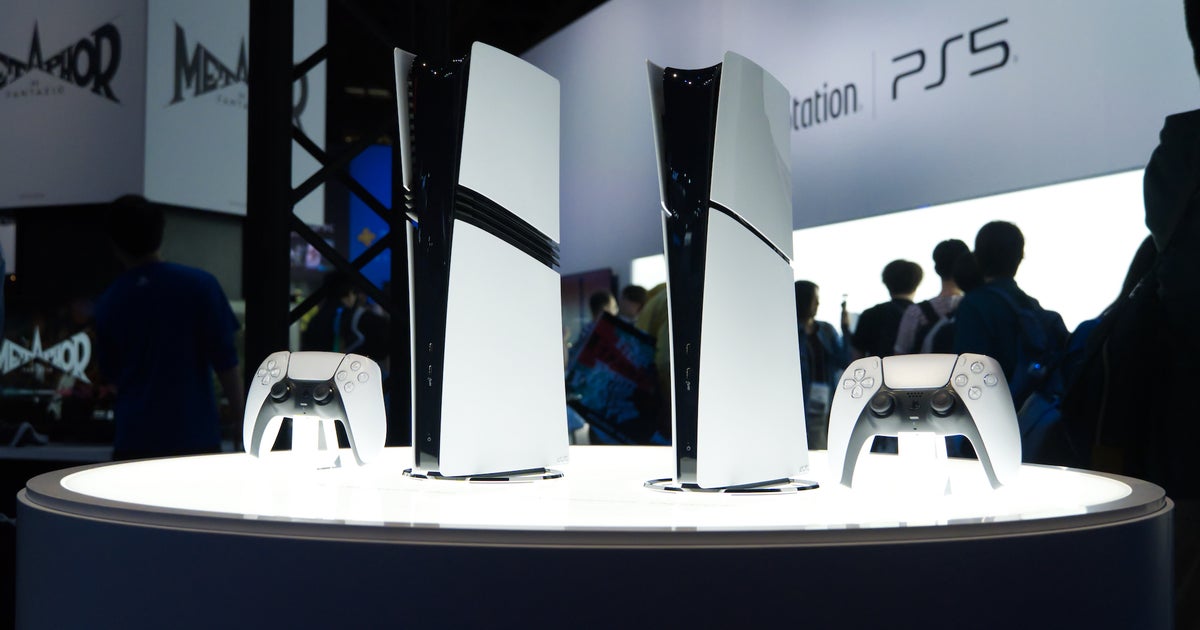
Sony is raising PS5 prices globally effective April 2, 2026: the base and Digital Edition increase by $100 and the PS5 Pro by $150 (e.g., US PS5 $649.99 from $549.99; PS5 Pro $899.99 from $749.99). The company shipped 8.0 million PS5 units in the holiday period, down 15.7% from 9.5 million at the end of Q3 2024. Ongoing memory/component shortages may delay the PS6 to 2028–2029 and have prompted industry-wide product launch adjustments and supply constraints.
Sony's pricing move forces an immediate trade-off between near-term hardware revenue and longer-run service monetization; expect management to lean on higher-margin digital sales and subscriptions to offset any volume softness. In price-sensitive regions this will magnify elasticity effects: low-double-digit percentage volume declines over the next 2–4 quarters are plausible absent aggressive bundling, which in turn will mute component order cadence and push inventory adjustments through the supply chain.
The prevailing component tightness creates asymmetric upside for memory suppliers and distributors because OEMs will prioritize margin protection over volume, sustaining higher chip ASPs for multiple quarters. At the same time, platform competitors with better near-term supply visibility or lower price sensitivity can capture share — but only if they translate supply into marketable bundles and first-party content momentum.
Key catalysts to watch are sell-through trends at major retail channels, component price indices (DRAM/NAND), and the next few quarterly guides; each will materially re-rate consensus volumes within a 3–12 month window. Tail risks that would reverse the negative hardware narrative quickly include a sharp decline in memory prices or coordinated promotional campaigns (deep bundles or financing offers) that restore demand within one retail cycle.
The market currently underprices the durability of Sony’s service ecosystem: even if hardware units slide, ARPU uplift from subscriptions, microtransactions, and first-party releases can stabilize profits over 12–24 months. That asymmetry argues for event-driven positions rather than a blunt long-only or short-only stance on the stock.
AI-powered research, real-time alerts, and portfolio analytics for institutional investors.
Request DemoOverall Sentiment
mildly negative
Sentiment Score
-0.25
Ticker Sentiment
