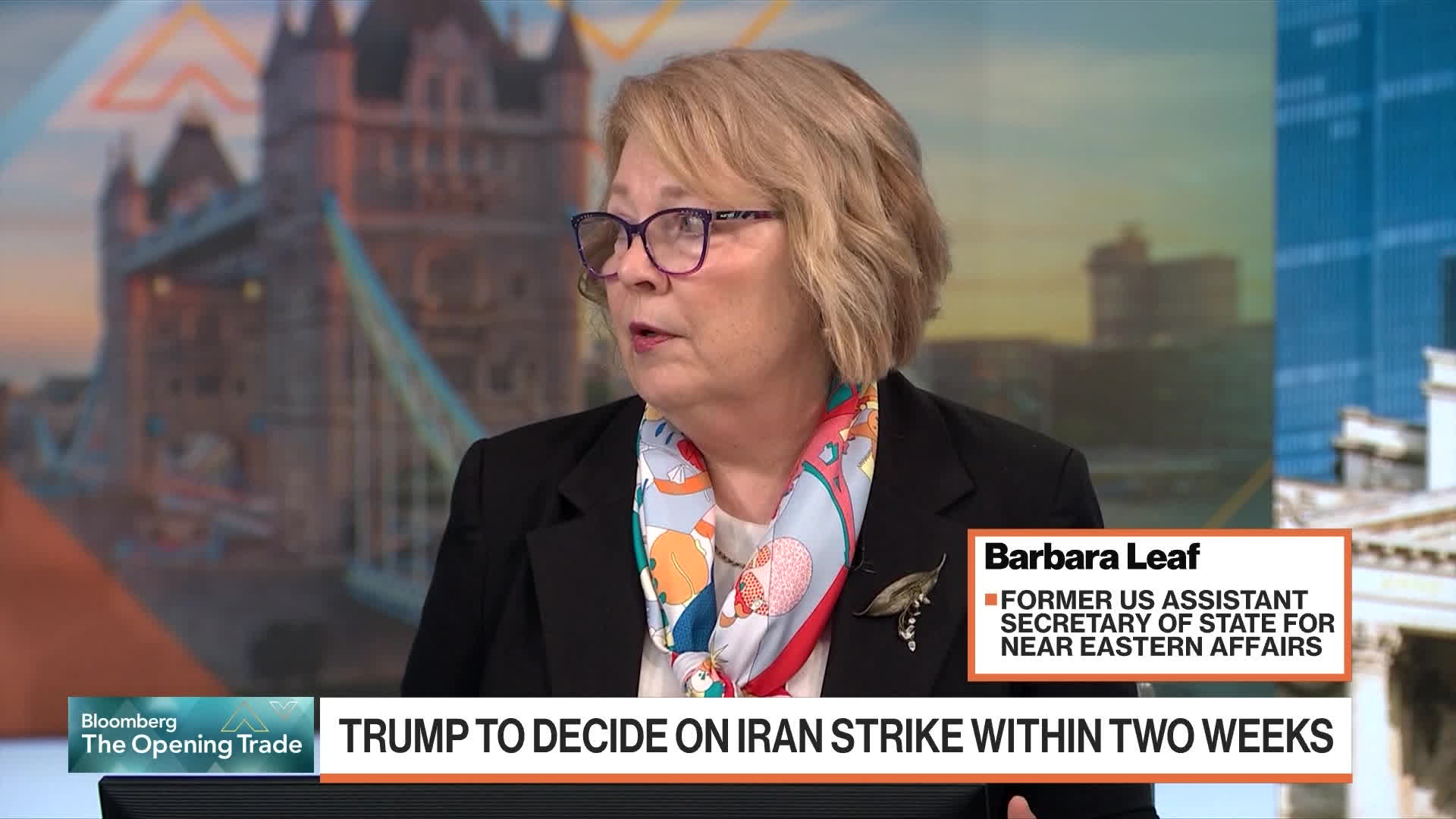
Former US Assistant Secretary of State Barbara Leaf stated that the American public is unprepared for potential US military intervention in Iran, suggesting the Biden administration has not adequately addressed the prospect. Leaf's comments raise concerns that Israel's objectives may have expanded beyond nuclear disarmament and military attrition to include regime change, potentially leading to broader instability.
Former US Assistant Secretary of State Barbara Leaf's assessment indicates a significant disconnect between potential US foreign policy actions regarding Iran and American public readiness, highlighting a potential constraint or risk factor for the Biden administration. Her concern that Israel's strategic objectives may be broadening from targeting Iran's nuclear program and military capabilities to instigating regime change points to a considerably higher risk of regional escalation and instability, characterized as a 'Pandora's box.' This development carries a 'strongly negative' sentiment (-0.65) and a 'moderate' market impact score (0.6), suggesting investors should anticipate increased geopolitical risk premiums, particularly relevant for energy markets and assets sensitive to Middle Eastern stability, aligning with themes of 'Geopolitics & War' and 'Sanctions & Export Controls'. The lack of specific entities involved underscores the macroeconomic and geopolitical nature of this risk.
AI-powered research, real-time alerts, and portfolio analytics for institutional investors.
Request DemoOverall Sentiment
strongly negative
Sentiment Score
-0.65
