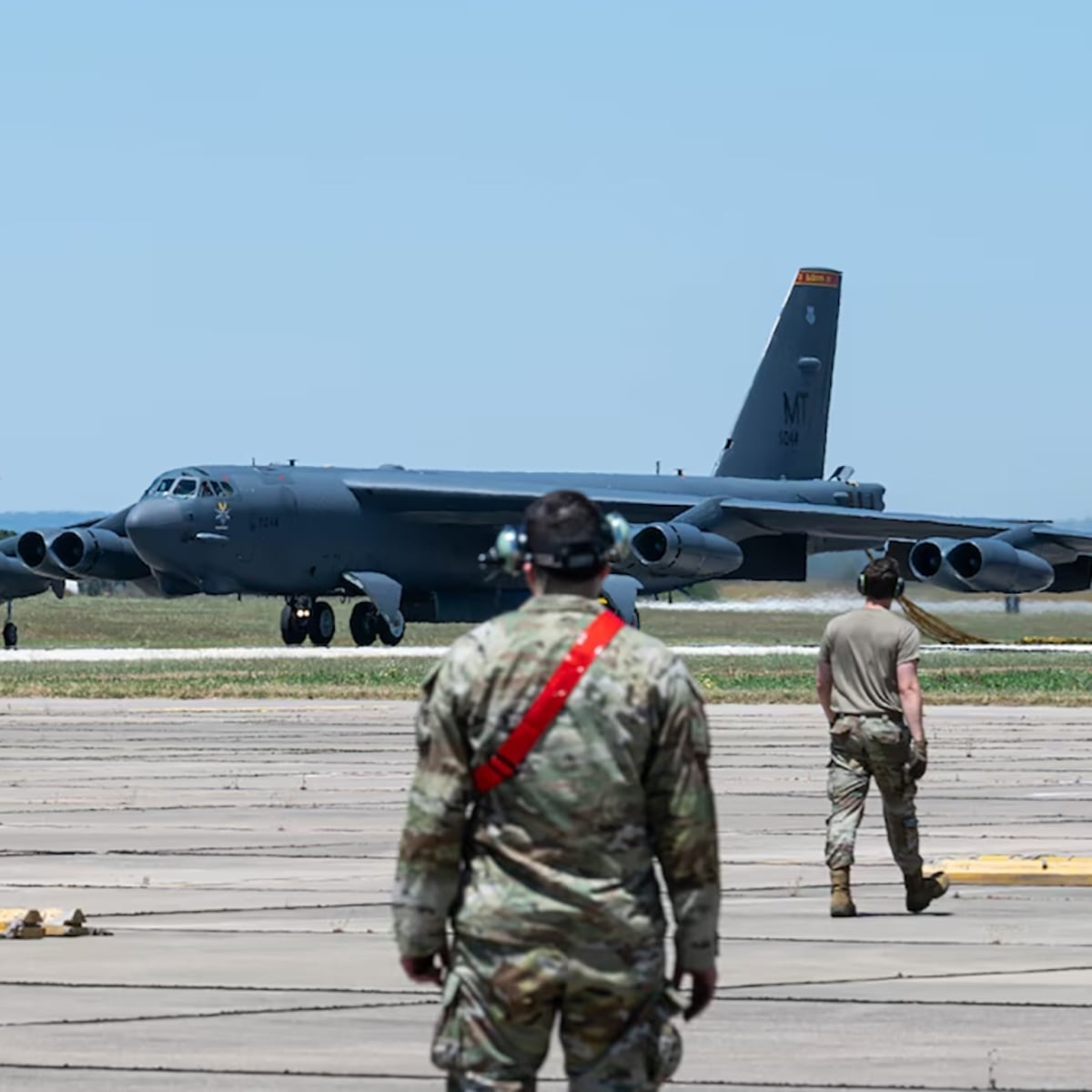
Spain has closed its airspace and barred use of the Rota (Cádiz) and Morón (Seville) bases for Operation Epic Fury, rejecting all flight plans related to strikes on Iran (emergency transits excepted). At least 15 KC-135 tankers originally deployed to Rota/Morón were rerouted to France/Germany (Istres) or other locations, U.S. bombers were redeployed to RAF Fairford (deployed March 9), and logistical missions supporting ~80,000 U.S. personnel in Europe continue. The move has complicated strike logistics—forcing longer routings, additional in-flight refueling (including KC-46s from the Azores) and greater reliance on UK/France basing—and has increased operational and regional risk, including potential escalation to energy and civilian infrastructure targets.
Host-nation restrictions on forward basing and refueling create concentrated logistics chokepoints that raise the marginal cost of sustained air campaigns. Expect tanker sortie rates to rise materially (order-of-magnitude: tens of percent above peacetime patrols) and for mission profiles to shift toward longer transit legs that trade ordnance load for fuel — a direct hit to sortie economics and to the effective payload delivered per sortie.
Winners in this environment are not just large primes building weapons but the sustainment and logistics ecosystem: tanker sustainment suppliers, naval shipyards handling extended Aegis deployments, and refiners capturing widened jet/kerosene cracks. Conversely, passenger airlines and integrated logistics providers that rely on shortest-path overflights face margin pressure from higher fuel burn and reroute premiums; marine insurers and commodity hedgers will price-in elevated tail risk, widening spreads over the next 1–6 months.
Key catalysts that will re-rate these sectors are binary: (1) rapid diplomatic relaunch that restores layered European basing (days–weeks) which compresses tanker demand and narrows fuel cracks; (2) escalation into strikes on civilian energy infrastructure (weeks–months) which both raises short-term energy price volatility and forces durable defense procurement uplifts across EU budgets (12–24 months). A contrarian point: markets are pricing defense winners as a binary call on procurement; much of the near-term alpha lives in aftermarket logistics and sustainment cashflows (spares, MRO, fuel supply), which are lower-visibility and quicker to monetise than new platform orders.
AI-powered research, real-time alerts, and portfolio analytics for institutional investors.
Request DemoOverall Sentiment
neutral
Sentiment Score
0.00
