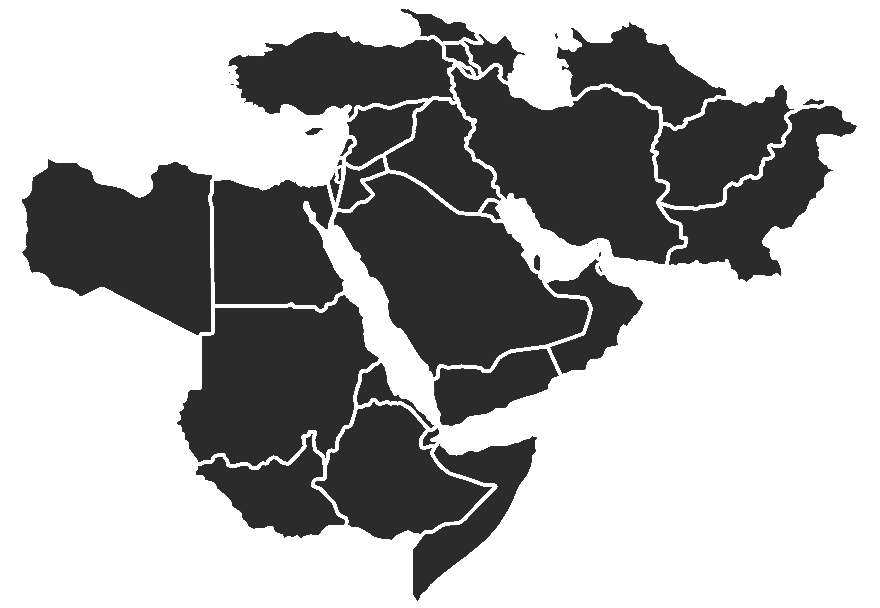
Iran rejected President Trump’s terms as “totally unacceptable,” while reportedly proposing a 30-day nuclear negotiation window, partial HEU transfers, and gradual Strait of Hormuz reopening. The report also says Iran likely struck a commercial vessel near Doha and intercepted drones over the UAE and Kuwait, signaling elevated Middle East risk and potential support for higher oil prices. Iran is additionally tightening Strait of Hormuz access with sanctions-linked transit threats and a rial-based toll scheme, reinforcing geopolitical and shipping disruption risk.
The market implication is less about headline diplomacy and more about a widening gap between headline risk and physical supply risk. Even if negotiations continue, Iran appears to be testing a coercion model that monetizes transit friction and sporadic maritime disruption; that creates an asymmetric setup where a relatively small number of incidents can keep a geopolitical risk premium embedded in crude and tanker rates for weeks, while any de-escalation likely comes in fits and starts rather than a clean unwind.
The second-order beneficiary is not just oil producers but the entire anti-access ecosystem: tanker insurers, marine war-risk underwriters, and defense primes tied to missile defense, ISR, and convoy protection. Gulf sovereigns also face a hidden tax: any move to reassure shipping will likely accelerate discretionary defense spending and port security capex, while import-dependent EMs in Asia absorb the margin compression first through higher freight, higher feedstock costs, and weaker FX. That makes this a negative setup for airlines, chemical producers, and industrials with exposed Middle East routing, especially if the current tension persists into contract reset windows over the next 1-3 months.
The contrarian read is that Iran’s leverage may be overstated if markets assume it can sustainably force a major sanctions concession. A toll-and-threat strategy only works if major buyers and shippers believe enforcement will be inconsistent; once enough counterparties route around the risk or political cover shifts toward interdiction, Iran’s own revenue-maximization scheme becomes self-defeating. The path of least resistance is therefore a series of short-duration spikes rather than a durable super-spike — unless there is a direct strike on critical export infrastructure or a major shipping casualty, which would reprice the whole complex within 24-72 hours.
AI-powered research, real-time alerts, and portfolio analytics for institutional investors.
Request DemoOverall Sentiment
moderately negative
Sentiment Score
-0.35
