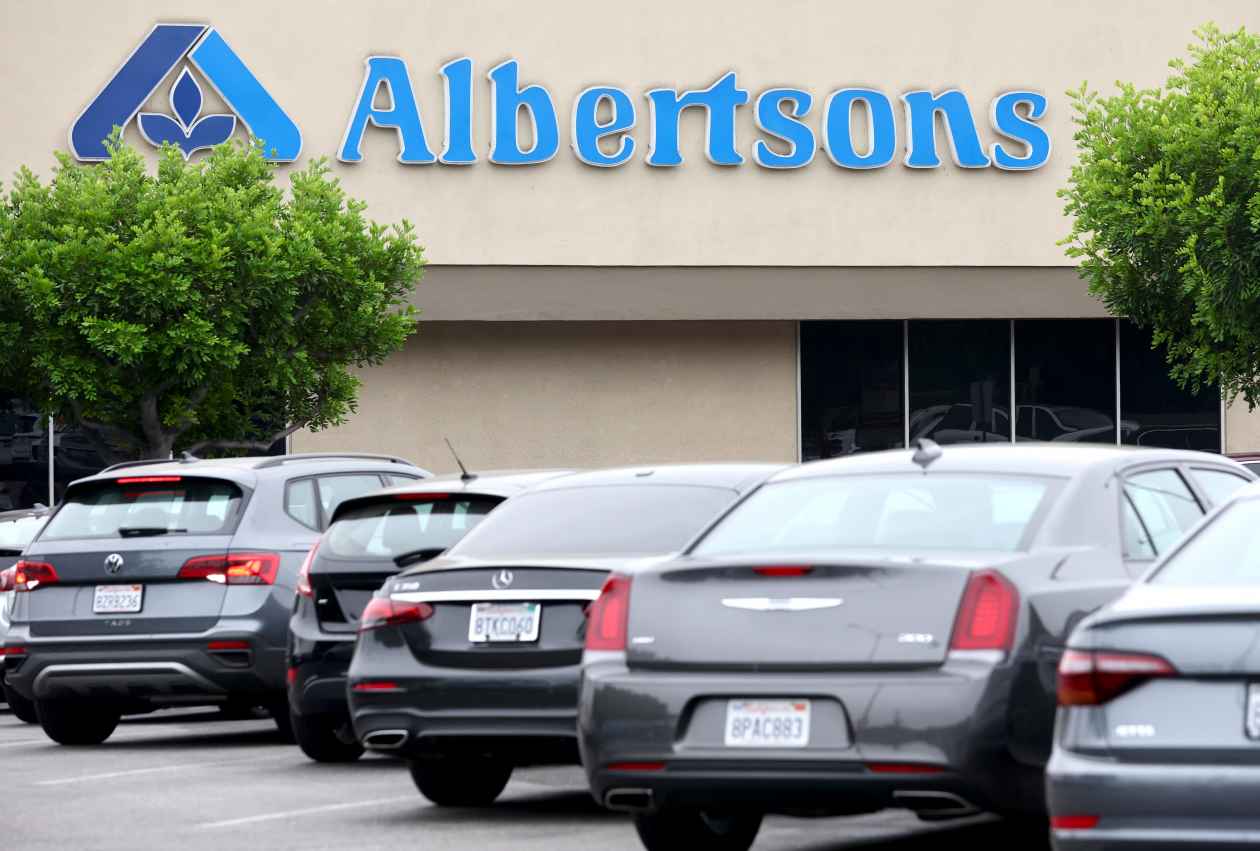
Albertsons reported first-quarter results exceeding sales and adjusted earnings estimates, and raised its full-year same-store sales outlook, driven by strong pharmacy and digital growth. However, the company's gross margin declined to its lowest level since its 2020 re-IPO, impacting profitability, as it absorbed rising costs—including anticipated tariff-related inflation—to avoid passing them to consumers. This strategy, while protecting consumer prices, weighed on the stock and underscores the broader retail sector's challenge in managing cost pressures amid broader inflationary trends.
Albertsons (ACI) reported fiscal first-quarter results that presented a clear conflict between top-line strength and eroding profitability, leading to a 5.3% midday stock decline. While the company surpassed analyst estimates on adjusted earnings ($0.55 vs. $0.54 consensus) and sales ($24.88B vs. $24.71B), the market focused on the significant gross margin compression. The margin rate declined to 27.1% from 27.8% a year prior, its lowest level since the company's 2020 re-IPO. This was attributed to a deliberate strategy of absorbing rising costs to protect consumer prices, a sales mix shift toward lower-margin pharmacy, and increased digital fulfillment costs. Management acknowledged that tariff-related cost increases are beginning to materialize and outlined a strategy of pushing back on suppliers, finding alternative sourcing, and expanding its 'Own Brands' private-label portfolio before passing costs to consumers. Despite raising its full-year same-store sales outlook to a range of 2.0% to 2.75%, Albertsons maintained its profit forecast, signaling that the margin pressure is expected to persist and a theme echoed by peers like Helen of Troy and Conagra.
AI-powered research, real-time alerts, and portfolio analytics for institutional investors.
Overall Sentiment
mixed
Sentiment Score
-0.10
Ticker Sentiment
