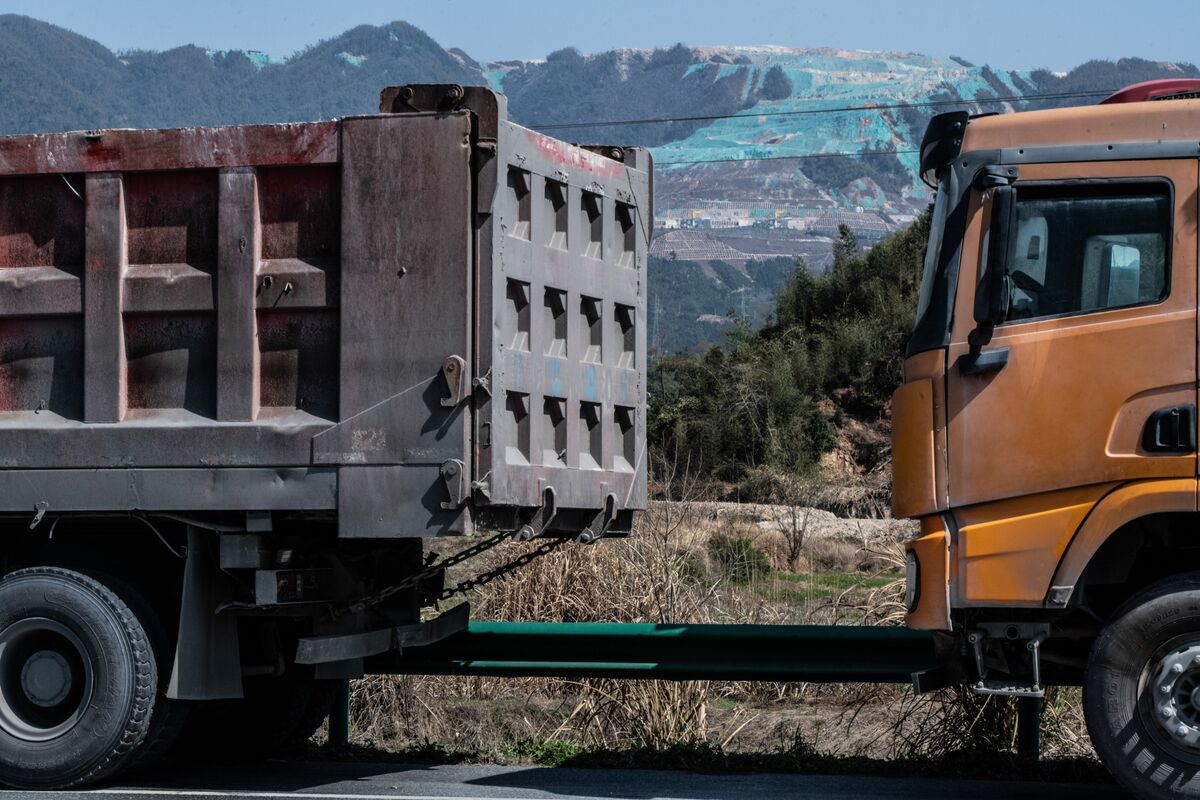
The Trump administration announced intensified scrutiny on imports of Chinese steel, copper, lithium, and other materials, designating them as "high-priority sectors" under the Uyghur Forced Labor Prevention Act (UFLPA). This move aims to bolster enforcement of the ban on goods allegedly produced with forced labor in Xinjiang and aligns with broader trade policy objectives, including reducing the US trade deficit with China.
The Trump administration's decision to designate Chinese steel, copper, and lithium as "high-priority sectors" for scrutiny under the Uyghur Forced Labor Prevention Act (UFLPA) marks a significant escalation in US trade policy. This action, characterized by a hawkish tone and moderately negative market sentiment, introduces substantial supply chain uncertainty for US industries reliant on these materials. By linking forced-labor enforcement with broader goals of reducing the trade deficit, the policy creates a multifaceted risk environment encompassing geopolitical, regulatory, and commodity market dimensions. The lack of specific company targets suggests a sector-wide approach, potentially disrupting any firm importing these key industrial and battery materials from China. The moderate-to-high market impact score of 0.6 underscores the potential for price volatility and operational challenges for downstream manufacturers in sectors like renewable energy, electric vehicles, and construction.
AI-powered research, real-time alerts, and portfolio analytics for institutional investors.
Request DemoOverall Sentiment
moderately negative
Sentiment Score
-0.40
