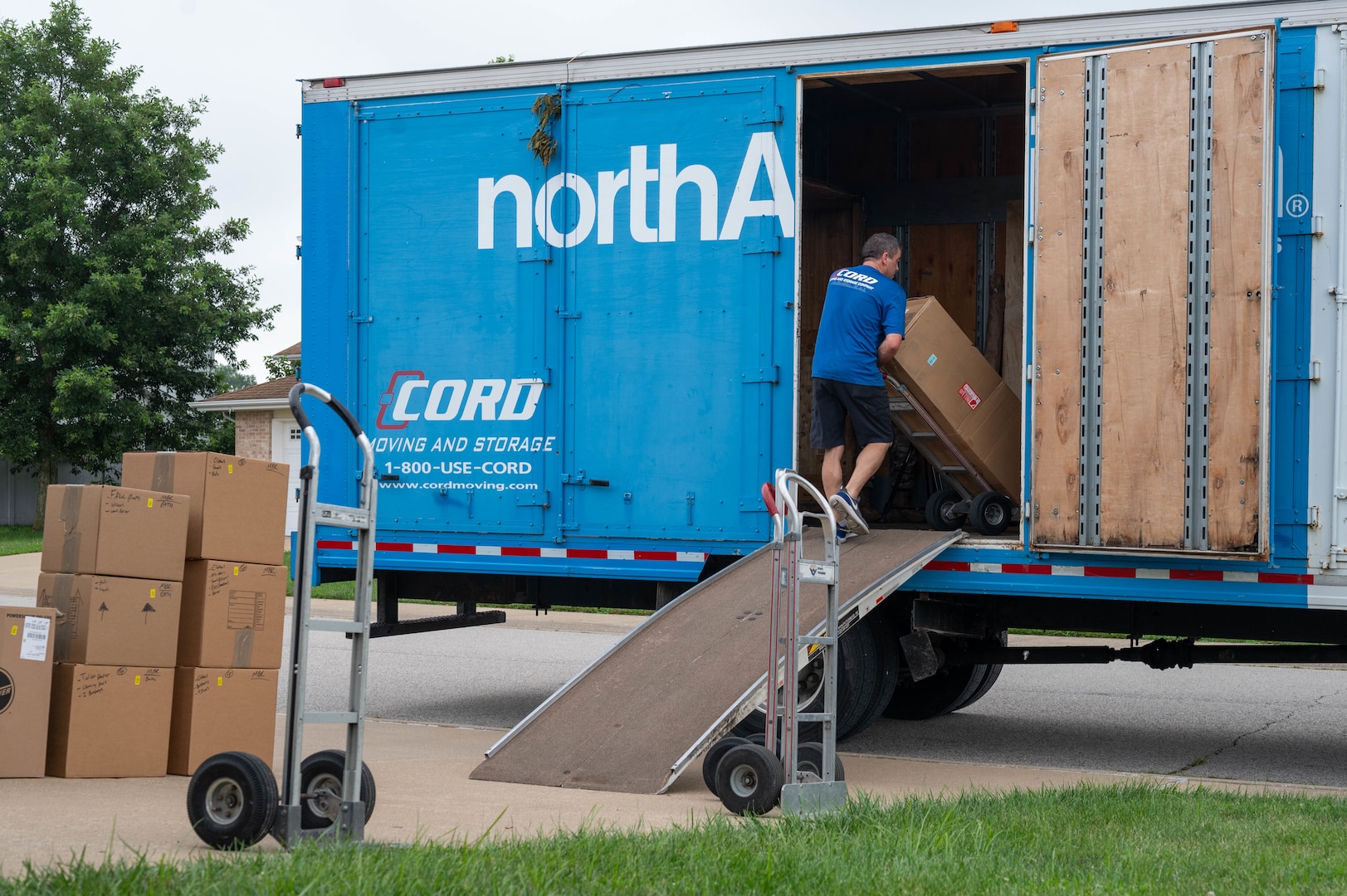
The Coast Guard says AY26 PCS moves remain fully authorized despite the funding lapse, with household goods shipments, travel, and relocations continuing as planned. It also expanded GTCC use for PCS expenses, secured payment flexibility with Citibank, and set up support channels including the CG PCS Assist Team and DoW PCS Call Center. The update is operationally positive for service members but is unlikely to have meaningful market impact.
This is not a demand shock event for DOW in the near term; if anything, it modestly improves operational continuity for logistics-heavy end markets by reducing the odds of a PCS-related bottleneck spilling into adjacent transportation workflows. The relevant second-order effect is on government-servicing contractors and consumer services around military bases: a smoother move cycle supports short-dated spending on housing, furnishings, vehicle transport, and travel, but the scale is too small to matter for broad industrial earnings. The bigger signal is policy execution risk being contained despite a funding lapse, which lowers tail-risk premiums for defense-adjacent logistics names and reduces the chance of a headline-driven knee-jerk selloff in move-related service providers. The more interesting setup is on the credit and cash-flow side for affected households, where temporary GTCC flexibility reduces forced deleveraging and should prevent a near-term spike in delinquency stress among junior personnel and reservists. That matters because it protects discretionary spend near PCS events: if members are not forced to delay moves or cut back sharply, the usual local demand cliff around move dates is less severe. But this is a timing shift, not incremental wealth creation; any spend is mostly front-loaded and likely offsets later reimbursement, so the macro effect fades within weeks rather than quarters. The contrarian view is that the market may over-interpret this as a positive for logistics execution when the real issue is reimbursement timing and operational friction, both of which can still create micro-level pain if the lapse extends. If the funding lapse persists beyond the cited grace window, expect administrative burden to rise sharply and for any benefit to reverse into late-fee/working-capital anxiety, especially for reservists with stacked travel balances. In that case, the trade is not bullish on DOW per se; it is a relative-value read on which vendors and service intermediaries can absorb more process friction without margin degradation.
AI-powered research, real-time alerts, and portfolio analytics for institutional investors.
Request DemoOverall Sentiment
neutral
Sentiment Score
0.12
Ticker Sentiment
