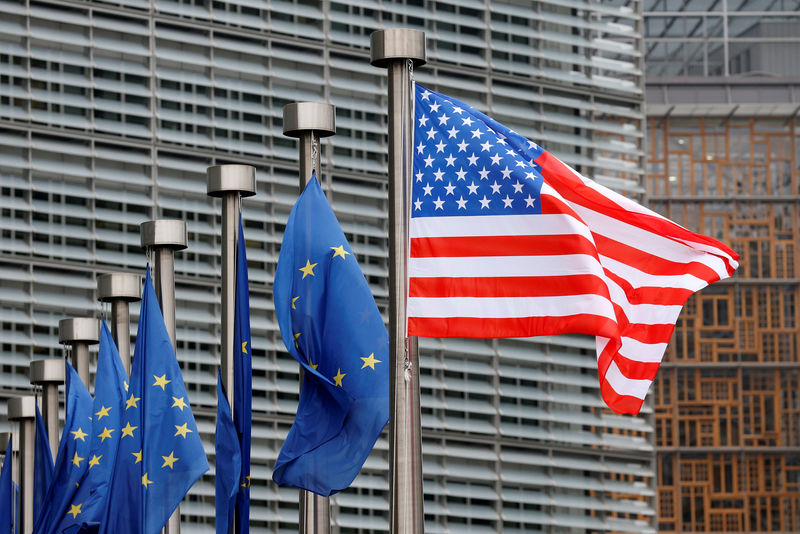
According to the Wall Street Journal, the European Union is reportedly considering significant trade concessions to the U.S., including reducing tariffs on various U.S. imports, lowering non-tariff barriers, and increasing purchases of American products like LNG. These potential concessions, to be discussed by EU leaders, aim to avert further U.S. tariffs and secure exemptions from existing levies, as trade talks have accelerated ahead of a July 9 negotiation deadline following President Trump's earlier threats.
The European Union is signaling a strategic shift towards a more accommodative stance in trade negotiations with the United States, driven by a desire to mitigate economic damage from U.S. tariffs. According to reports, EU officials are considering concessions that include reducing tariffs on U.S. imports, lowering non-tariff barriers, and increasing purchases of American products, with liquefied natural gas (LNG) specifically mentioned. This proactive approach comes ahead of a July 9 negotiation deadline and follows threats from the Trump administration. Critically, the European position appears to have evolved from seeking a full reversal of U.S. levies to a more pragmatic goal of securing as many exemptions as possible from what they now perceive as a persistent 10% baseline tariff. This indicates an acceptance of a new trade reality and a focus on damage control, a development that, while mildly positive in its intent to de-escalate tensions, underscores the ongoing friction in the transatlantic trade relationship.
AI-powered research, real-time alerts, and portfolio analytics for institutional investors.
Request DemoOverall Sentiment
mildly positive
Sentiment Score
0.30
