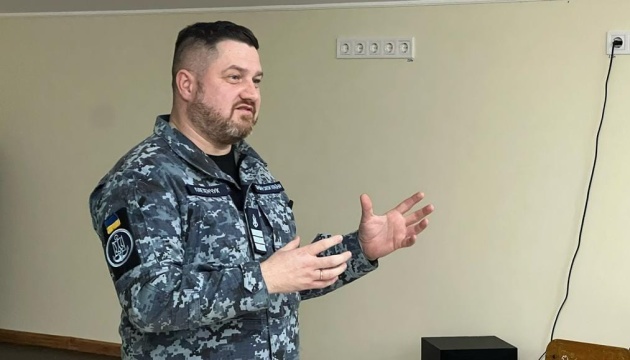
A Russian An-26 transport crashed over occupied Crimea on March 31 killing 6 crew and 23 passengers (29 total) and a Russian Su-30 fighter crashed on April 3 with the crew ejecting. The Ukrainian Navy denies involvement in both incidents, characterizing them as most likely accidents and warning that Russian air-defence/electronic warfare (e.g., GPS jamming) or operational errors and high operational tempo/crew fatigue could be contributing factors.
Market implication is not simply an isolated accident; ambiguous attribution of aircraft losses raises a durable operational-cost premium for any operator using contested airspace. Over months that premium will show up as higher maintenance/backlog, accelerated demand for pilot re-training and simulators, and selective procurement of EW/GNSS-resilience upgrades — a supply-chain shift that favors niche MRO/training and EW vendors more than broad OEM production runs.
Second-order winners are companies that sell EW, avionics/GNSS hardening, and training/MRO capacity: these products address both “fix the fleet” mechanical attrition and the electronic interference vector. Conversely, platforms relying on intensive sortie rates without commensurate logistic depth (older fleets, limited spare pools) will see readiness degrade over quarters, creating opportunities for third-party sustainment providers and for countries to accelerate procurement from allied suppliers.
Key catalysts to watch in the next 1–6 months are (1) authoritative attribution to EW or friendly-air-defense error, which would drive an immediate re-rating of EW and satellite-resilience names, and (2) official grounding/maintenance directives or unexpected surge contracts for MRO/training, which convert anecdote into revenue visibility. Tail risk remains escalation or deliberate misinformation from contested sources — both will spike volatility and create short windows to enter trades.
Consensus will likely over-index to “more platforms lost = more general defense spending” as a blunt take. The underappreciated point is revenue concentration: fast, high-margin reaction comes to firms that supply fixes (EW suites, avionics, simulators, spares logistics), not necessarily the largest prime contractors; positioning should reflect that nuance rather than a blanket long on defense indices.
AI-powered research, real-time alerts, and portfolio analytics for institutional investors.
Request DemoOverall Sentiment
neutral
Sentiment Score
-0.05
