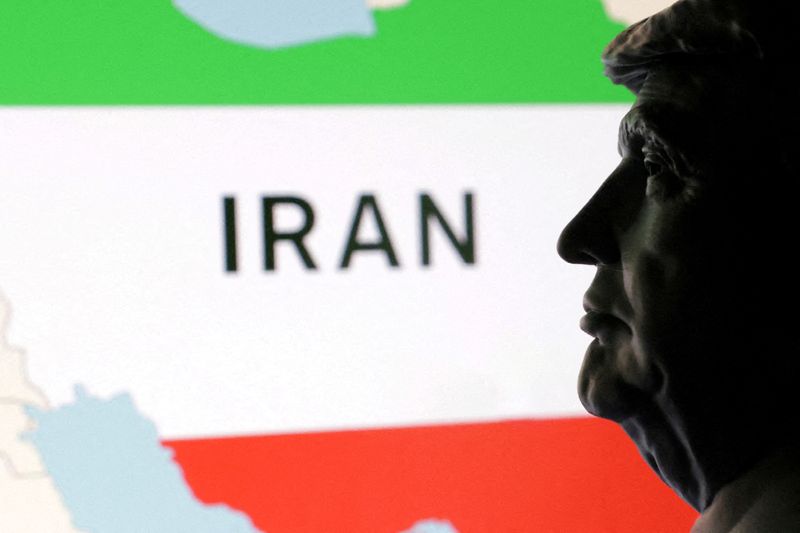
U.S. President issued a 48-hour ultimatum to Iran to fully open the Strait of Hormuz — a chokepoint that normally transits ~20% of global crude and LNG. Tanker traffic has dropped to near zero and major Persian Gulf producers have slashed output, while threats to target Iran’s largest power plants raise the prospect of total disruption to regional industrial capacity. The situation materially elevates the regional risk premium and oil/LNG price volatility; near-term market implications are widescale energy price spikes and risk-off flows into safe assets. Consider hedging energy exposure and avoiding direct shipping/Gulf-exposed equity positions until maritime access and escalation risk normalize.
The market reaction is pricing a prolonged premium on maritime transit and energy logistics that will propagate through insurance, tanker freight rates, and refinery feedstock sourcing for quarters not days. That premium increases working capital needs for producers and refiners, incentivizes storage trades (floating or onshore) and accelerates demand for predictable, local-sourced hardware and services where lead times matter more than headline nominal growth.
A less-obvious beneficiary is providers of turnkey, short-cycle compute and systems integration that can be deployed into defense, intelligence, and nearshore data centers; their orderbooks tend to be stickier and less cyclical than ad-driven software vendors when geopolitical tail risk rises. Conversely, high-beta discretionary transport and trade-finance exposed names will see margin compression as voyage times and capital costs rise — that squeeze can persist through multiple quarterly reports if shipping patterns don’t normalize.
Key catalysts and timeframes: days-to-weeks for front-month energy and freight volatility spikes; 1–3 months for inventory and refinery margin adjustments; 3–12 months for capex and defense procurement decisions to materially lift vendor revenue. Reversal vectors are fast: credible diplomatic de-escalation or coordinated strategic reserve releases (days-to-weeks) will compress risk premia; a more structural shift (months) requires reopening of primary routes or alternative pipeline throughput.
Contrarian angle: consensus assumes tech weakness across the board; that’s blunt. Hardware/system integrators with fixed-capacity backlogs, near-term defense programs, or the ability to guarantee lead times are under-owned and can rerate quickly as budgets shift from traded goods logistics to resilient infrastructure. Short-duration, event-driven option structures capture this asymmetry with controlled downside.
AI-powered research, real-time alerts, and portfolio analytics for institutional investors.
Request DemoOverall Sentiment
strongly negative
Sentiment Score
-0.75
Ticker Sentiment
