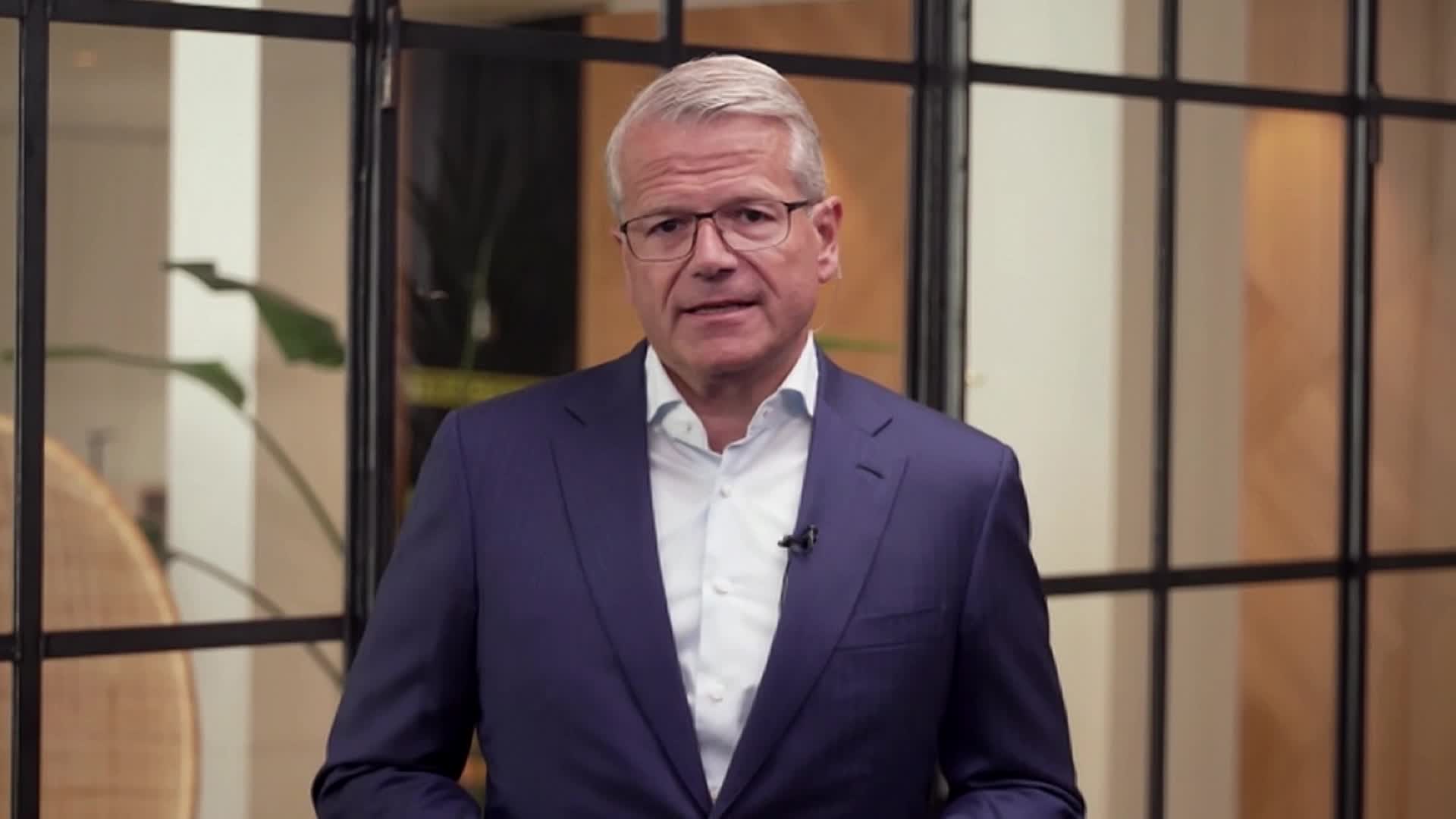
Maersk's CEO has underscored the critical need for a US-China trade deal to alleviate persistent global trade uncertainty, highlighting how geopolitical tensions continue to directly impact supply chain stability and long-term business planning for major logistics firms.
The statement from Maersk's CEO serves as a significant bellwether for the global trade environment, explicitly linking persistent uncertainty to the ongoing lack of a US-China trade resolution. As a leader in the transportation and logistics sector, Maersk's perspective underscores the direct, negative impact of geopolitical tensions on supply chain stability and the ability of major corporations to conduct long-term business planning. The neutral sentiment and uncertain tone of the signal reflect that this is not a new development but a reinforcement of a critical headwind. This ongoing friction remains a primary risk factor for the logistics industry, potentially impacting freight volumes, operational costs, and capital expenditure decisions for companies exposed to global trade flows.
AI-powered research, real-time alerts, and portfolio analytics for institutional investors.
Request DemoOverall Sentiment
Neutral
Sentiment Score
0.00
