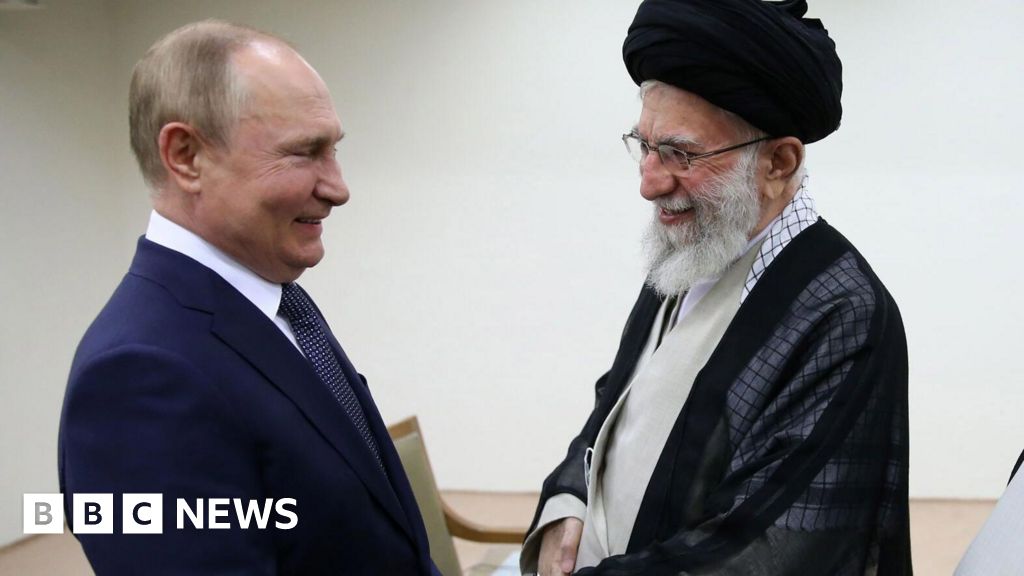
Russia faces potential losses in the Middle East due to the escalating conflict between Iran and Israel, despite initially hoping for benefits such as increased oil prices and a distraction from the war in Ukraine. Analysts suggest that Russia's inability to prevent Israeli strikes on Iran, a strategic partner, highlights the limitations of their relationship and raises concerns about losing another key ally in the region, similar to the recent deposition of Bashar al-Assad in Syria. With significant geopolitical shifts occurring, Russia's strategic positioning and influence in the Middle East are increasingly at risk.
The escalating conflict between Israel and Iran, marked by Israel's Operation Rising Lion, presents a complex and increasingly negative outlook for Russia, despite initial perceived benefits. While Russian media initially highlighted potential positives such as a rise in global oil prices boosting state coffers and the diversion of global attention from the war in Ukraine (as exemplified by a Moskovsky Komsomolets headline, "Kyiv has been forgotten"), alongside the prospect of Russia positioning itself as a key mediator, the prolonged nature of the conflict reveals substantial risks. Political analyst Andrei Kortunov, writing in Kommersant, emphasized that the escalation carries "serious risks and potential costs for Moscow." A critical point is Russia's apparent inability to prevent significant Israeli strikes on Iran, a nation with which Russia signed a "comprehensive strategic partnership" only five months prior involving President Vladimir Putin and President Masoud Pezeshkian. Although this agreement is not a mutual defense pact, Russian Foreign Minister Sergei Lavrov had previously highlighted its focus on "strengthening of co-ordination in the interests of peace and security on the regional and global levels." This situation, viewed alongside the recent deposition of Syrian leader Bashar al-Assad—a key Russian ally offered asylum in Russia—intensifies Moscow's concerns about potentially losing another strategic partner in Iran and seeing its regional influence diminish. The upcoming St. Petersburg International Economic Forum, an event Russia will likely use to demonstrate its resilience against international isolation, will occur against this backdrop of significant geopolitical shifts.
AI-powered research, real-time alerts, and portfolio analytics for institutional investors.
Request DemoOverall Sentiment
moderately negative
Sentiment Score
-0.50
