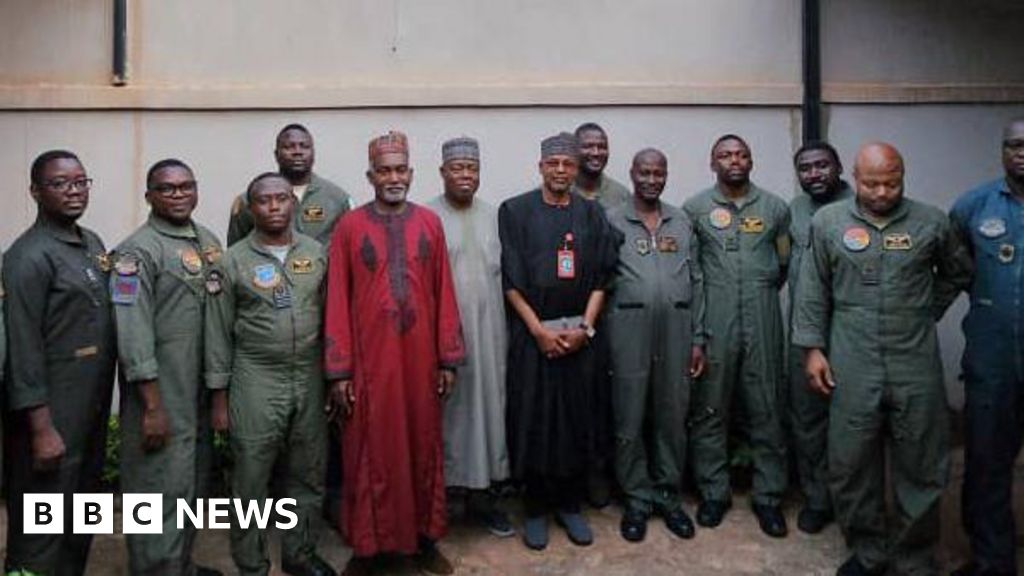
Nigeria's foreign minister apologised to Burkina Faso after a Nigerian military jet made an unauthorised emergency landing there en route to Portugal, leading to the detention (and reported release) of 11 Nigerian servicemen. The incident triggered a diplomatic row with the Alliance of Sahel States (Burkina Faso, Mali, Niger), which put air forces on maximum alert and authorised force against airspace violations; both sides agreed to sustain consultations to deepen cooperation. The episode underscores heightened geopolitical risk in the Sahel amid military-led governments aligning away from ECOWAS and closer to Russia, but immediate economic fallout appears limited and timing for return of the aircraft and personnel remains unclear.
Market structure: This incident raises the political-risk premium for West African sovereigns and regional trade corridors but is unlikely to move global commodity markets materially unless the AES–ECOWAS standoff escalates. Winners are global defense primes and niche security-services vendors that can win accelerated border-security contracts in ECOWAS states; losers are local West African issuers, travel/tourism, and frontier-market equity indices where investor risk premia reprice by +50–200bp. Cross-asset: expect modest widening in Sahel sovereign CDS and local-currency FX stress (XOF/NGN) with safe-haven flows into USD and gold if further incidents occur within 30–90 days.
Risk assessment: Tail risks include a military clash or targeted sanctions that shut cross-border air corridors (low prob, high impact) and a rapid reorientation of procurement to Russian suppliers that locks out Western contractors from some deals (medium prob). Immediate (days) risk is reputational and FX volatility; short-term (weeks) risk is sovereign spread widening; long-term (quarters) is durable alignment of Mali/Niger/Burkina with Russia that alters supply chains for security equipment. Hidden dependencies: French/EU policy reactions, US aid/arms packages to ECOWAS, and airline insurance premiums could amplify effects.
Trade implications: Tactical direct plays include modest long positions in defense exposure (stocks/ETF) and short/trim in frontier West Africa exposure (EM ETFs, selective sovereigns); use options to cap downside. Pair trades: long aerospace & defense ETF (ITA) vs short broad EM ETF (EEM/VWO) to express security-premium upside while hedging EM risk. Use 1–3 month option structures to express timing around diplomatic negotiations and bilateral consultations referenced by Nigeria.
Contrarian angles: The market currently under-reacts — this is a localized incident but is a signal of durable geopolitical bifurcation in the Sahel that could create multi-year demand shifts (Russian kit vs Western training). Reaction could be underdone for defense-service names (15–25% upside if ECOWAS deepens security purchases) and overdone for frontier sovereigns where sell-offs >200bp create selective buying opportunities. Historical parallel: 2013–2015 Sahel security shocks produced multi-year outsized defence budgets and recurring contractor wins rather than sustained commodity shocks.
AI-powered research, real-time alerts, and portfolio analytics for institutional investors.
Request DemoOverall Sentiment
neutral
Sentiment Score
-0.15
