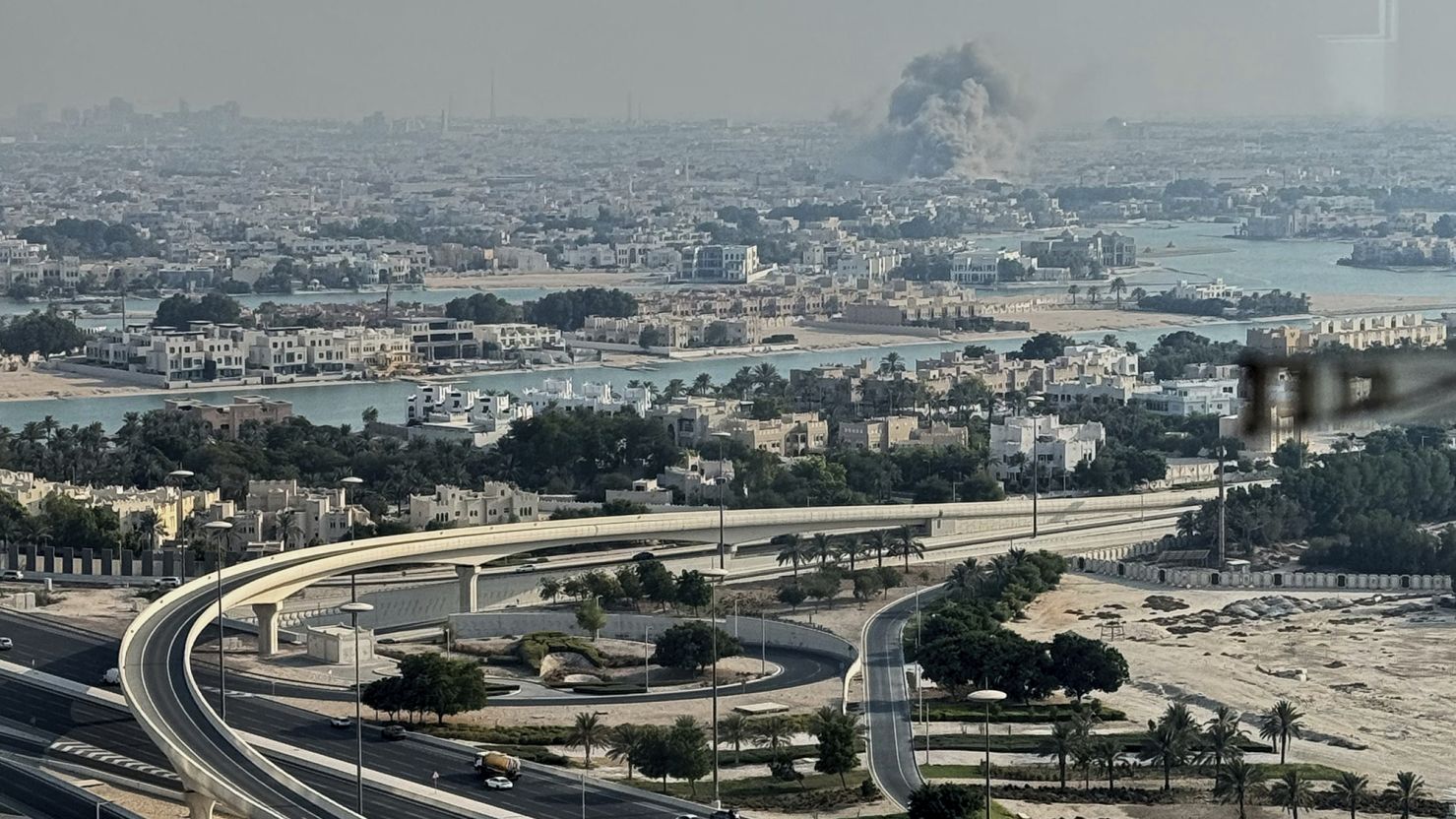
Israel executed a missile strike in Doha, Qatar, targeting senior Hamas leaders, including chief negotiator Khalil Al-Hayya, amidst a critical phase of US-backed ceasefire negotiations mediated by Qatar. The operation, which failed to eliminate its primary targets and instead killed lower-level Hamas members and a Qatari guard, has triggered significant geopolitical fallout. This unilateral action, taken against the backdrop of intense diplomatic efforts and despite reservations from Israeli security officials, has severely strained US-Qatar and US-Israel relations, jeopardized the fragile peace process, and heightened regional instability, posing considerable risk to market sentiment and investment outlooks in the Middle East.
Israel's unilateral missile strike in Doha, aimed at assassinating Hamas' chief negotiator Khalil Al-Hayya, has failed operationally and triggered significant geopolitical fallout. The attack occurred amidst a critical, US-backed ceasefire negotiation, and its failure to eliminate the primary target while killing lower-level operatives and a Qatari guard has severely undermined the peace process. The operation has frayed relations with the United States, which was notified only after the strike was underway, and has been met with fury from Qatar, a key mediator and host to a major US military base. The decision to proceed with the strike over the explicit reservations of Israel's own top security officials, including the IDF Chief of Staff and Mossad chief, suggests Prime Minister Netanyahu may be prioritizing domestic political pressures from his far-right coalition over diplomatic stability. This event introduces a high degree of uncertainty into the region, effectively derailing current negotiation efforts and elevating the risk of broader conflict, a sentiment reflected in the market impact score of 0.8.
AI-powered research, real-time alerts, and portfolio analytics for institutional investors.
Request DemoOverall Sentiment
extremely negative
Sentiment Score
-0.80
