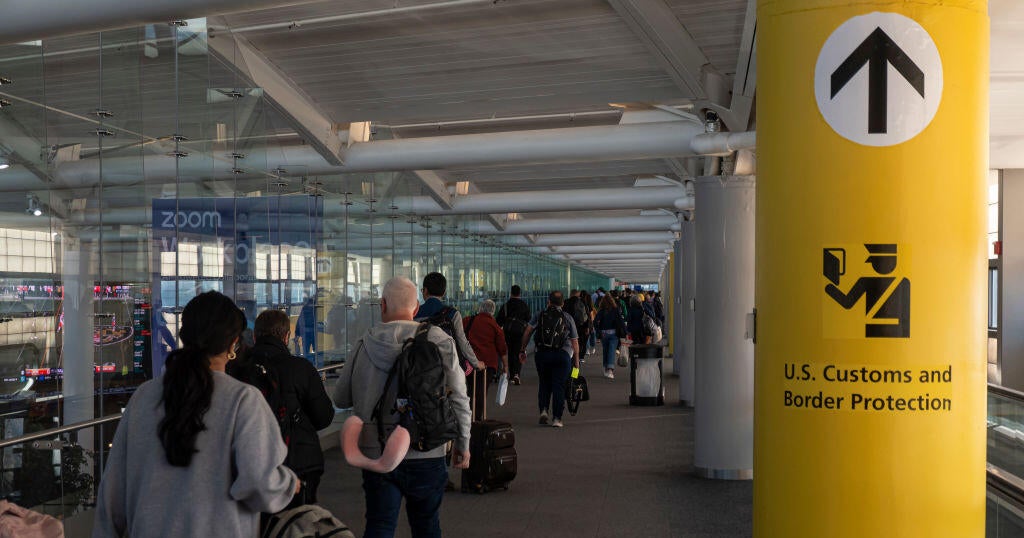
The Department of Homeland Security is proposing to overhaul the visa-waiver Electronic System for Travel Authorization (ESTA) by making it a mobile-only process and requiring travelers from the 42 visa-waiver countries to submit five years of social media history (mandatory), emails used over the past 10 years, and personal details for immediate family members including phone numbers and residences. The changes, which must still clear the White House budget office, are presented as implementing a Trump executive order to block entrants who may pose national security or public-safety risks, and form part of a broader administration push to intensify vetting — including USCIS scrutiny of immigrants’ social media and “good moral character.” Critics warn the expanded requirements could deter visitors and hurt tourism—an acute concern ahead of the U.S.-hosted portion of the 2026 FIFA World Cup.
The Department of Homeland Security, via Customs and Border Protection, is proposing to overhaul the visa‑waiver Electronic System for Travel Authorization (ESTA) by making it mobile‑only and mandating five years of social‑media history for citizens of 42 visa‑waiver countries; applicants would also be required to provide emails used over the past 10 years and immediate family contact details, according to the federal notice. The proposal makes social‑media submission mandatory and must still be reviewed by the White House Office of Management and Budget.
The administration frames the changes as implementation of a Trump executive order to block entrants who may pose national‑security or public‑safety risks, and the move sits alongside broader vetting efforts such as USCIS directives to scrutinize immigrants’ social media and "good moral character." Critics warn these expanded requirements could deter visitors and negatively impact tourism demand, a timing risk given the U.S. will co‑host the 2026 FIFA World Cup.
The briefing’s signals register as moderately negative with a modest market‑impact score (sentiment_label: moderately negative; market_impact_score: 0.32), indicating potential near‑term pressure on travel & leisure demand but not necessarily systemic market disruption. Key uncertainties to monitor are the OMB/budget‑office review outcome, possible legal or diplomatic pushback from affected countries, and reputational/data‑privacy fallout that could depress inbound travel into 2025–26.
AI-powered research, real-time alerts, and portfolio analytics for institutional investors.
Request DemoOverall Sentiment
moderately negative
Sentiment Score
-0.45
