






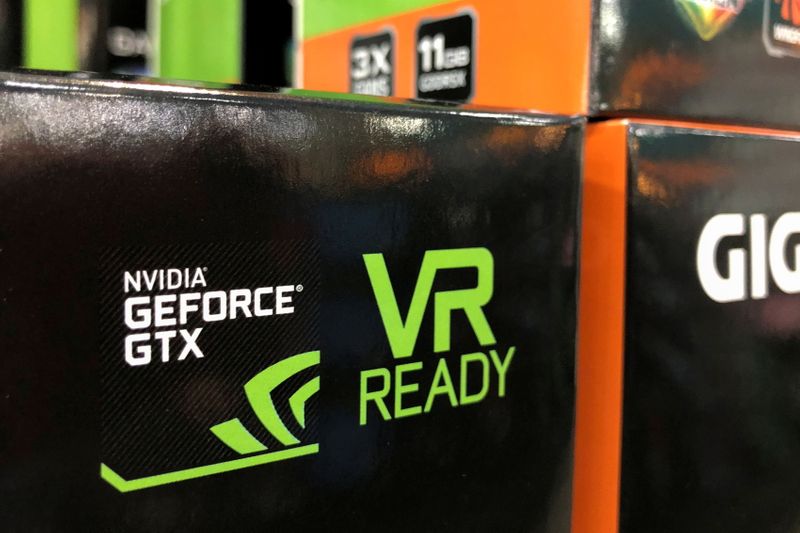
NVIDIA shares surged 4.3% to $220.21 after Jensen Huang unveiled RTX Spark for the PC market, introduced the Vera CPU, and confirmed Vera Rubin has entered full production. The company also named OpenAI, Anthropic, SpaceX, AWS, Google Cloud, and Microsoft as early customers or deployers, reinforcing a strong H2 2026 growth narrative. A new U.S. export license requirement for advanced AI chips shipped to China-linked entities was a modest headwind, but investors largely viewed it as manageable.
This is less about a single keynote and more about NVIDIA widening its moat across three layers of the stack at once: consumer silicon, data-center CPUs, and next-gen AI infrastructure. The market is likely underestimating the optionality from a CPU push because it forces OEMs and hyperscalers to rebalance platform decisions around NVIDIA-controlled software, interconnect, and reference designs, not just GPU silicon. That raises the switching cost for customers and makes competitive displacement by Intel/AMD slower than headline product announcements imply.
The near-term winner may actually be Microsoft: it gets to own the narrative around “AI PCs” while using the launch to deepen Windows ecosystem stickiness and accelerate enterprise refresh cycles. For DELL/HPQ, the first-order read is positive, but the second-order risk is margin compression if AI PC volume is financed by promotional pricing or if NVIDIA increasingly captures the value layer through tightly integrated reference platforms. The supply-chain implication is a likely re-rating of premium component vendors, but not broad PC OEM beta; differentiation will matter more than unit growth.
The biggest mistake would be treating export-control tightening as a binary revenue hit. The more important effect is mix and timing: it can delay some China-linked shipments, but it also validates the scarcity premium on leading-edge AI compute and may actually support pricing discipline elsewhere. If Vera Rubin ramps faster than expected, the upside on 2H26 capex cycles at AWS/GOOGL/MSFT could be larger than consensus models assume, because customers will pull demand forward to secure capacity before the next supply bottleneck.
Contrarian view: the move may be partially overextended tactically, even if strategically right. The stock is reacting to a dense set of promises that are inherently time-sensitive, and any slippage in production, software readiness, or partner rollout into late 2026 would compress multiple expansion quickly. The cleanest risk is not demand destruction; it is execution disappointment after a front-loaded rerating.
AI-powered research, real-time alerts, and portfolio analytics for institutional investors.
Request TrialOverall Sentiment
strongly positive
Sentiment Score
0.82
Ticker Sentiment
