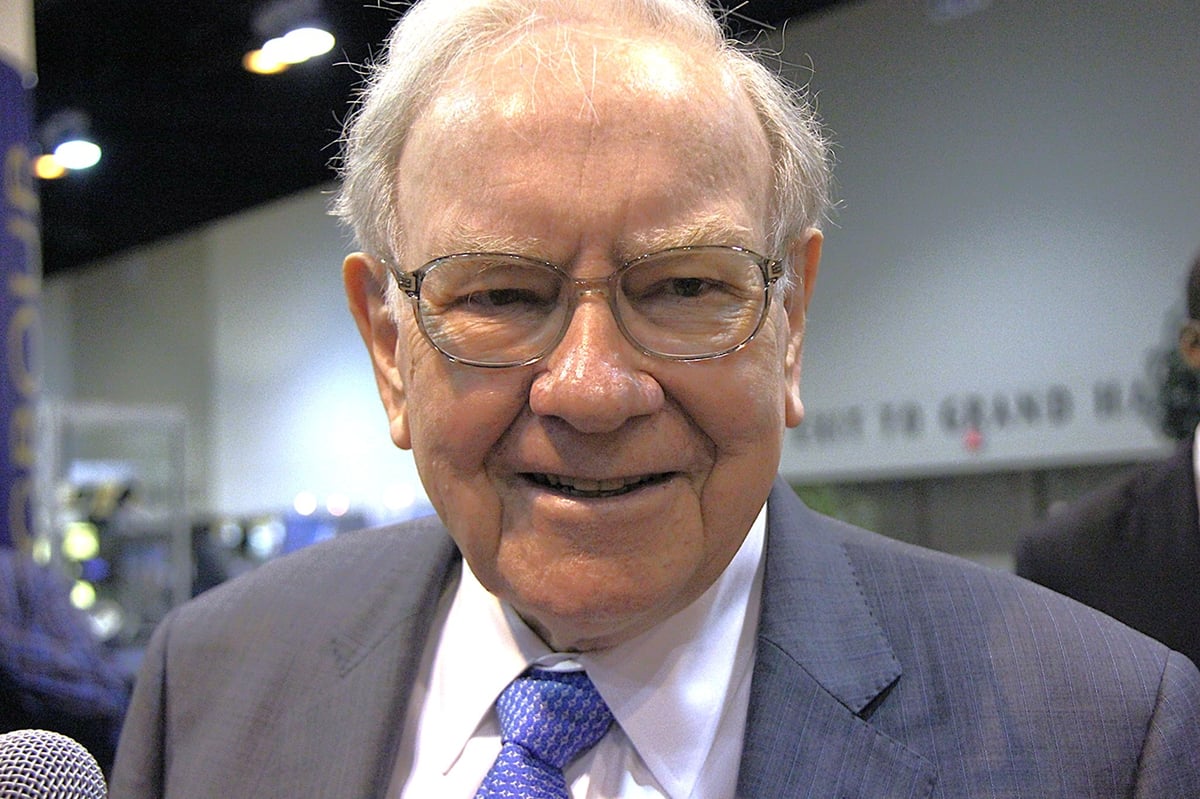
Berkshire Hathaway disclosed a stake in Pool Corp about a year ago, but POOL shares have fallen from roughly $400 to about $245 (≈33% decline) since then, while the S&P 500 rose ~14%, producing an underperformance of ~47 percentage points over the past year. Over three and five years POOL is down roughly 26% and 25% respectively, versus S&P gains of nearly 75% (3y) and ~100% (5y), implying opportunity costs on the order of ~100 and ~125 percentage points; reinvested dividends would have trimmed the five-year loss by only ~1.75%. Analysts attribute the weakness to a slumping housing market that depresses new pool installs and repair activity; recovery is likely tied to a turnaround in real estate but timing is uncertain, so patient monitoring is recommended.
Market structure: POOL’s 30–35% drawdown vs S&P +14% YTD signals a rotation away from discretionary housing aftermarket spend toward defensive cashflows; direct losers are pool-equipment distributors/retailers and regional contractors, winners are cash-rich builders that can buy share in a recovery. Pricing power is weakened — new installs (single-family starts) drive >40% of POOL’s sales so a sustained <5% YoY decline in starts compresses revenue and forces inventory discounting, pressuring margins. Cross-asset: weaker POOL correlates with tighter spreads in subordinated housing credit and underperforms MBS-sensitive names; expect higher idiosyncratic equity volatility and focal put demand, modest negative correlation with long US Treasuries if growth risk rises.
Risk assessment: Tail risks include a deeper housing recession (starts down >10% YoY), a rapid rate shock (Fed surprise hike >50bp) that freezes refinancing/renovation, or Buffett/Near-term insider selling that triggers a technical cascade. Immediate (days) risk is event-driven volatility around earnings/NAHB prints; short-term (weeks/months) depends on May–Aug construction data and weather; long-term (quarters) hinges on inventory cycle normalization and home-sale turnover. Hidden dependencies: POOL’s aftermarket resilience depends on contractor liquidity, discretionary consumer repair budgets, and commodity (chlorine/chemicals) prices which can spike input costs.
Trade implications: Direct play — tactically short POOL (POOL) via defined-risk put spreads for 3–6 months while long single-family cyclicals (DHI, LEN) as mean-reversion pair trades; rotate out of small-cap distributors into short-duration IG MBS as a macro hedge. Options: sell-to-open covered calls only if holding long; buy 9–12 month call spreads as a low-cost recovery asymmetric if housing indicators sequentially improve (see triggers). Entry/exit: act on macro triggers (NAHB +5 pts MoM x2 or single-family starts +5% YoY x2) or technical thresholds (POOL < $180 or rebound >20%).
Contrarian angles: Consensus assumes structural demand loss — that's likely overdone because aftermarket replacement has high stickiness (chemicals/filters recurring) and POOL has >50% aftermarket gross margin protection. Mispricing exists if the market prices POOL as a pure new-build lever: if home-turnover normalizes within 12–18 months, upside of 40–60% is plausible. Historical parallels: pandemic-era winners that later re-rated (home-improvement names 2020–22) recovered as rates/starter inventory stabilized. Unintended consequence: aggressive shorting could create liquidity-driven rallies on positive housing prints, so size and gamma risk must be managed.
AI-powered research, real-time alerts, and portfolio analytics for institutional investors.
Request DemoOverall Sentiment
moderately negative
Sentiment Score
-0.45
Ticker Sentiment
