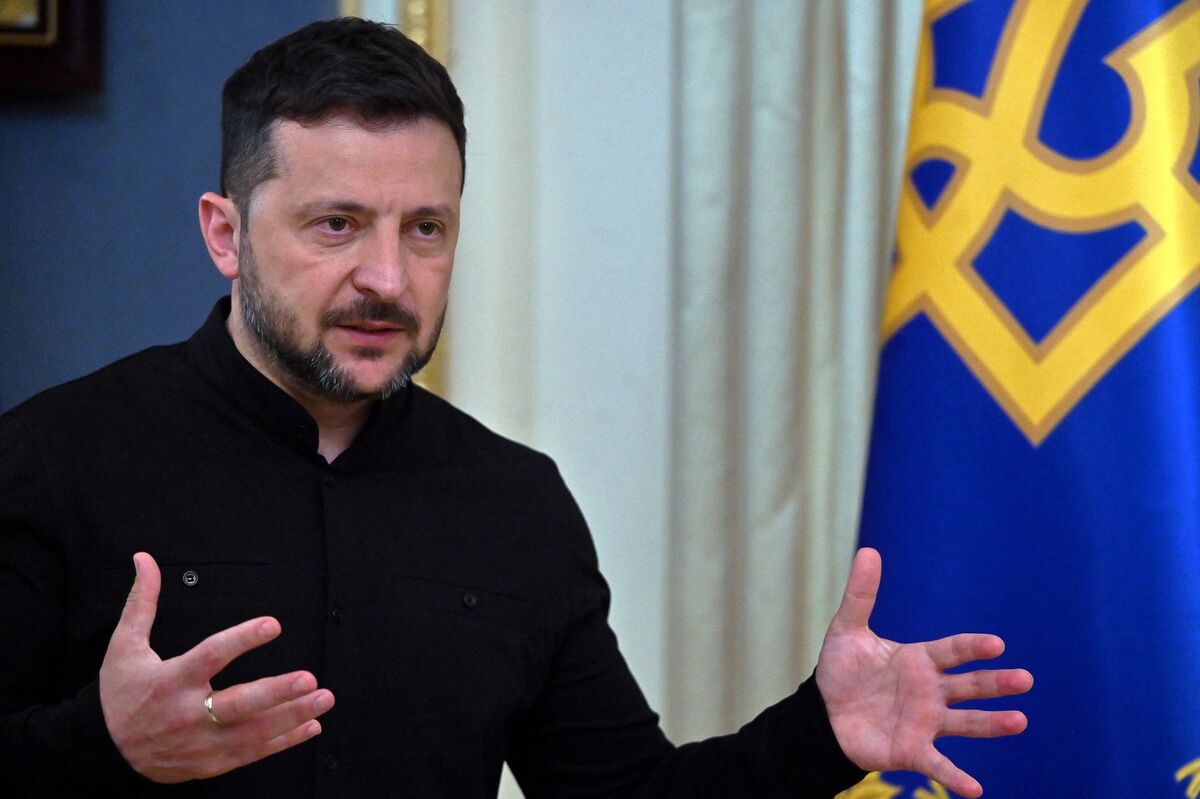
Ukrainian President Volodymyr Zelenskiy is seeking $30 billion in aid from western allies by year-end to bolster domestic weapons production amid waning US support and stalled peace negotiations with Russia. Ukraine aims to increase its self-reliance in arms manufacturing, but its war-impacted economy lacks the necessary investment to significantly ramp up production capabilities.
Ukrainian President Volodymyr Zelenskiy's request for approximately $30 billion by year-end from Western allies to bolster domestic weapons production underscores the escalating financial and material needs of Ukraine amidst its protracted conflict with Russia. This appeal is notably framed by concerns over waning US support, potentially under a future Trump administration, and stalled peace negotiations, thereby pressing Ukraine towards greater self-reliance in its defense capabilities. The primary obstacle identified is Ukraine's war-battered economy, which currently lacks the substantial investment required to significantly ramp up arms manufacturing. This situation, characterized by a moderately negative sentiment and an uncertain tone, highlights ongoing geopolitical instability and sustained high demand within the defense infrastructure sector. While the immediate broader market impact is assessed as relatively low with a score of 0.3, the magnitude of the requested sum and its potential fulfillment carry significant implications for regional security dynamics and investor sentiment towards assets exposed to the conflict.
AI-powered research, real-time alerts, and portfolio analytics for institutional investors.
Request DemoOverall Sentiment
moderately negative
Sentiment Score
-0.50
