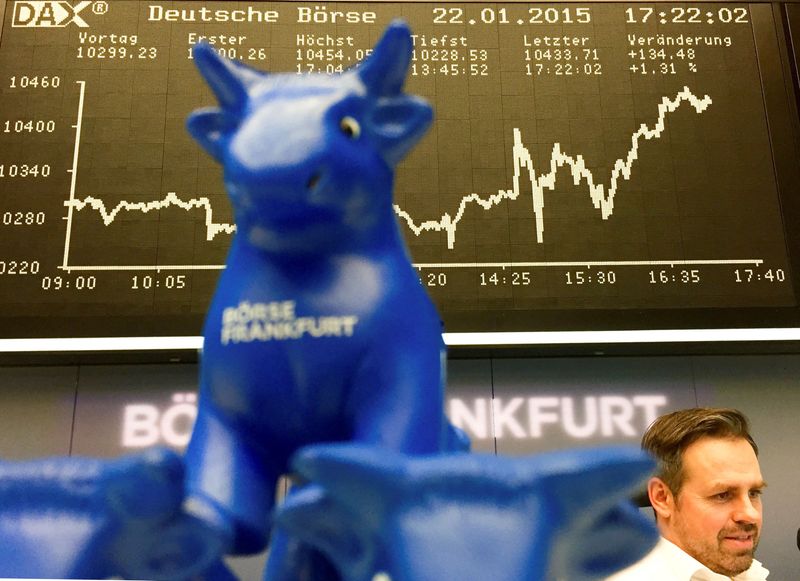
UBS cut its 2026 STOXX 600 year-end target to 630 from 650, citing rising energy supply risks from ongoing Strait of Hormuz disruptions while still assuming 7% earnings growth and a 15.5x forward P/E. The bank estimates the STOXX 600 is about 5% lower YTD due to higher gas prices, with energy names rallying and consumer, auto and construction materials sectors weakening. UBS outlines three scenarios—rapid resolution (modest/transient hit), a two-month disruption (stagflation prompting further tightening), and a prolonged shock (persistent inflation, demand destruction and recession risk), creating material policy and market uncertainty.
The market is internalizing a regime where energy shocks transmit through global price-setting rather than local shortages — that elevates margin risk for energy-intensive sectors (autos, construction, fertilizers) while creating concentrated earnings optionality for upstream producers. Shipping and insurance premia act like a non-linear tax on just-in-time supply chains: expect higher working capital needs and margin volatility for mid-cap manufacturers that source key feedstocks from MENA within 1-3 months. Monetary policy sequencing risk is now a live macro lever — frontline hikes to combat inflation can flip to easing if demand destruction arrives, making volatility in yields and FX a material channel for banks and industrials over 6-18 months. Finally, energy equities already price a lot of the “disruption” premium; the second-order winners are balance-sheet light commodity processors and logistics operators that can re-price services quickly, while capital-intensive exporters face rising financing costs and capex deferrals that will depress capacity additions beyond 2026.
AI-powered research, real-time alerts, and portfolio analytics for institutional investors.
Overall Sentiment
mildly negative
Sentiment Score
-0.35
Ticker Sentiment
