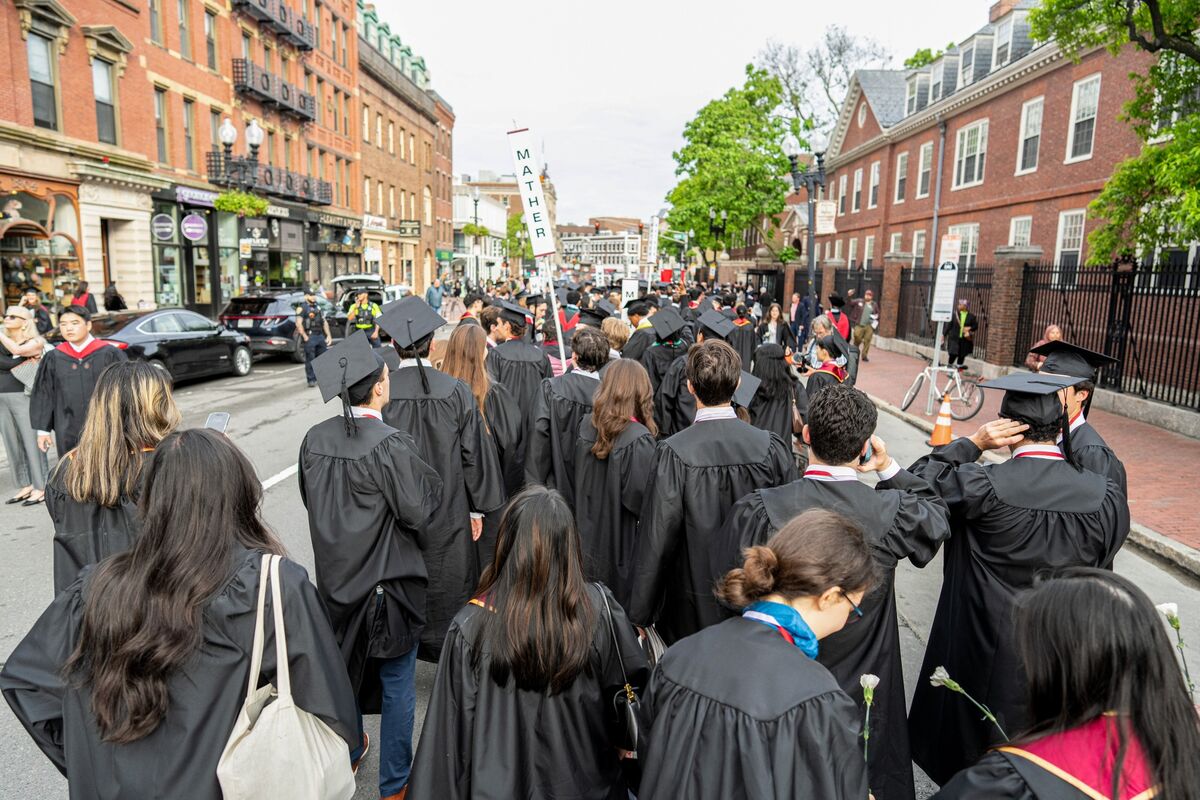
President Trump's recent executive action targeting international students is creating uncertainty for over one million individuals studying at US universities. The action aims to restrict foreign nationals from studying at institutions like Harvard and signals a potential revocation of other universities' rights to host international students. Concerns are also rising that students' political views and protest activities could jeopardize their legal status.
President Trump's executive action of June 4th, aimed at preventing foreign nationals from studying at Harvard University and potentially revoking other universities' rights to host international students, is creating significant uncertainty for the over one million international students currently in the US. This policy, part of a broader crackdown on immigration, and concerns that students' political views or protest activities could jeopardize their legal status, are fostering an environment of fear and confusion. The developments carry a moderately negative sentiment and a pessimistic tone, highlighting increased regulatory and political risks emanating from domestic policy decisions that directly affect the US higher education sector and its international student population.
AI-powered research, real-time alerts, and portfolio analytics for institutional investors.
Request DemoOverall Sentiment
moderately negative
Sentiment Score
-0.60
