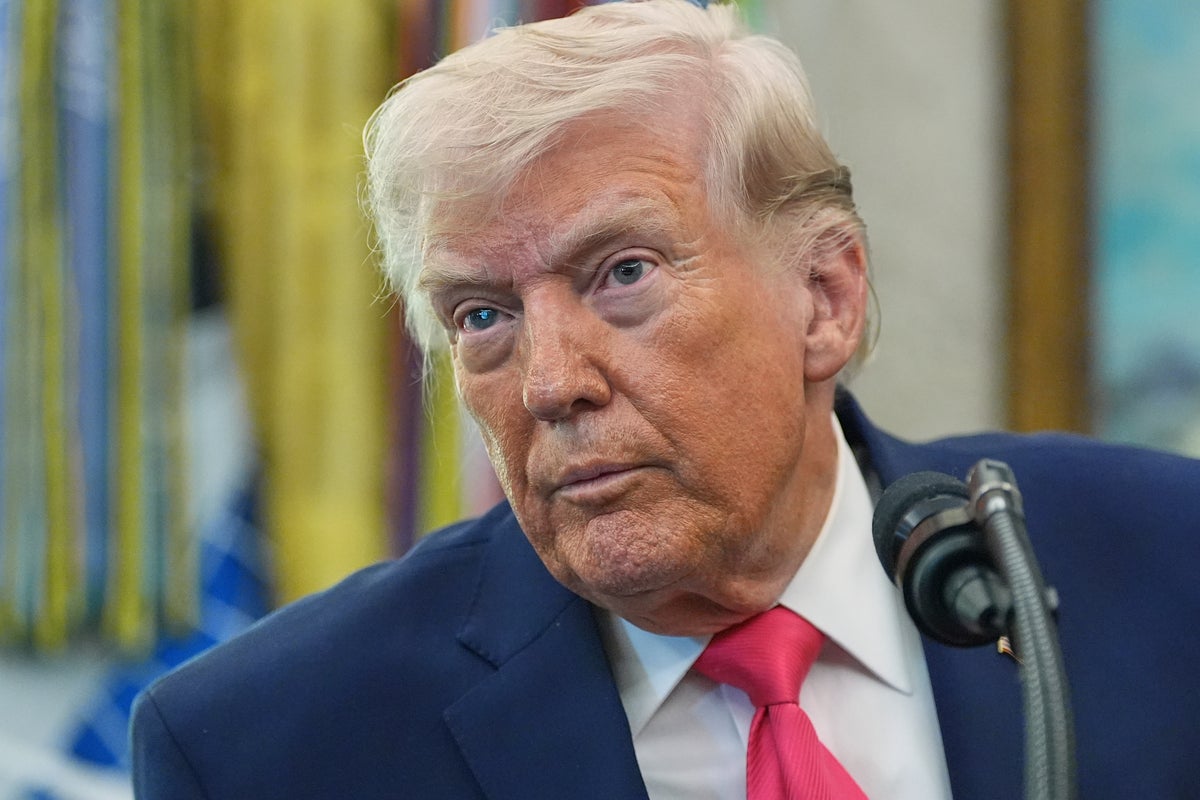
Brent crude fell about 7% to roughly $97/barrel (WTI near $87) after reports President Trump sent a 15‑point peace plan to Iran seeking a month‑long ceasefire; S&P 500 futures rose ~0.9% and European futures ~1.2%. The Pentagon ordered ~2,000 troops from the 82nd Airborne (in addition to ~2,500 Marines reported) while Israel struck Tehran and Gulf states repelled drone attacks, keeping upside risk to energy prices and persistent geopolitical tail‑risk to markets and supply chains.
The market is pricing a sharp, short-duration collapse in the geopolitical risk premium while simultaneously discounting a higher baseline of episodic escalation risk. That creates a two-speed regime: immediate moves driven by headline risk and implied volatility, and a slower re-pricing of physical flows, insurance costs and capex which will play out over months. Expect oil-related cash spreads and shipping insurance premia to lag futures-driven moves: physical contracts and charter rates typically re-adjust over 4–12 weeks as counterparties renegotiate routes and insurers reset underwriting limits.
Defense and security demand is now bifurcated: procurement cycles and force deployments support vendor revenue visibility on a multi-quarter horizon, but earnings sensitivity to a single tactical deployment is muted given contract backlogs and fixed-price programs. Conversely, downstream oil and refinery margins can re-rate within days if crude risk premia normalize, delivering rapid cash conversion to select refiners and trading desks. Currency and supply-chain shifts in Asia (procurement from alternate suppliers) are a slow-moving trade — expect material flows to crystallize over 1–3 months, not overnight.
Tail-risk remains asymmetric. A credible diplomatic settlement would remove a sizeable energy risk premium and compress implied vol dramatically within weeks; a rapid deterioration or strike on critical infrastructure would widen spreads faster than markets can hedge, pushing crude volatility and freight rates materially higher for months. Tradeable edge is to monetize current elevated event volatility while positioning for a mean reversion of physical market frictions if ceasefire talks hold past the initial 30–60 day window.
AI-powered research, real-time alerts, and portfolio analytics for institutional investors.
Request DemoOverall Sentiment
mildly negative
Sentiment Score
-0.30
Ticker Sentiment
