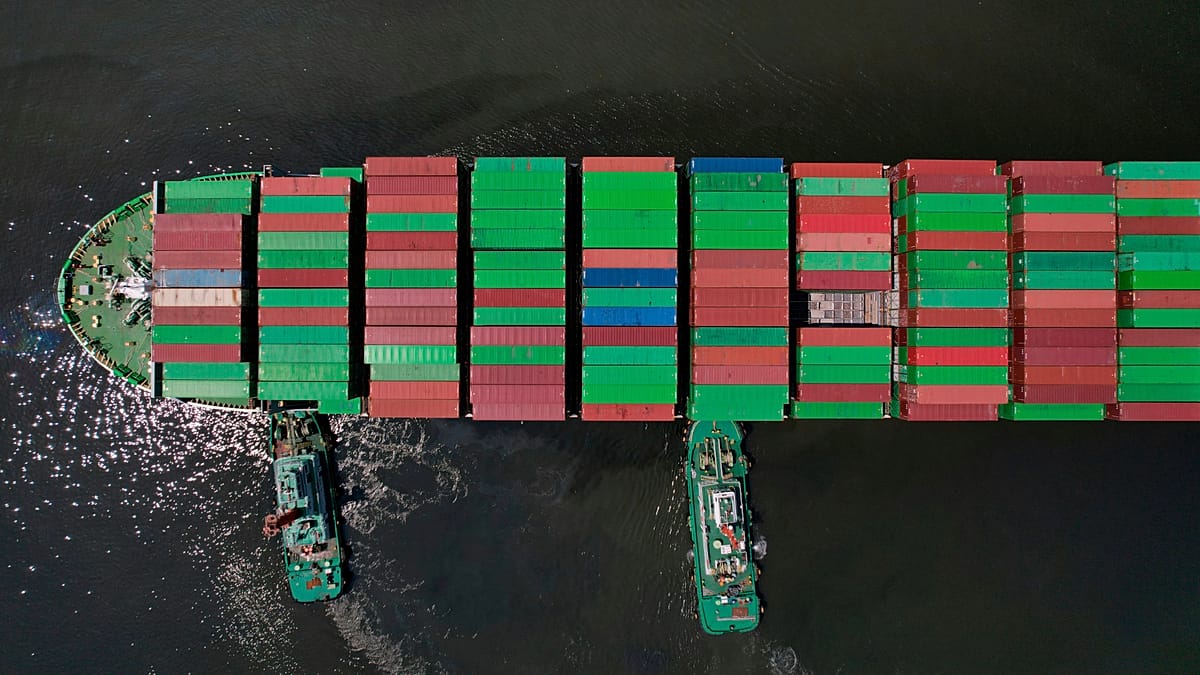
The Iran war has disrupted bunker fuel supplies through the Strait of Hormuz, pushing Singapore bunker fuel prices from about $500 per metric tonne to more than $800 by early May. Shipping firms are slowing vessels and revising schedules to absorb costs, but industry estimates suggest the conflict is costing global shipping around €340 million per day and may eventually pass higher costs to consumers. The shock is likely to hit Asia first and then ripple through global supply chains, increasing interest in LNG-capable and other alternative-fuel vessels.
This is a classic input-cost shock with unusually asymmetric transmission: the first-order effect is not just higher freight rates, but a tighter spread between “ordinary” marine logistics and assets that can arbitrage fuel optionality. The immediate winners are not the obvious tanker names; it’s the owners and equipment vendors that monetize fuel flexibility, engine retrofits, and alternative bunkering infrastructure. That favors LNG-exposed maritime infrastructure more than pure commodity beta, because the market will pay for dispatch optionality before it fully pays for decarbonization. The second-order loser set is broader than shipping equities: import-dependent industrials, consumer staples with long Asia exposure, and any company with just-in-time inventory reliance on Asian transshipment lanes. The lag matters — spot freight and surcharge pass-through can reprice in days, but margin compression in downstream goods typically shows up over 1-2 quarters as contracts reset. If the disruption persists into the summer shipping season, expect a squeeze in working capital too, as firms carry more inventory and pay faster for scarce capacity. The key catalyst is duration. A short-lived corridor reopening would unwind the sharpest dislocations quickly, but the more durable bullish case for LNG and green-fuel capex requires months of sustained bunker tightness, not headlines. The market may be underestimating how quickly operating behavior changes: slow steaming is a hidden tax on effective fleet capacity, so even modest speed reductions can tighten vessel supply enough to amplify rates without any incremental cargo demand. Contrarian view: near-term panic may be overdone for consumers but underdone for capex. Because bunker shortages raise the cost of compliance and reliability, they may accelerate newbuild orders for dual-fuel and LNG-capable vessels faster than headline ESG themes alone would justify. That creates a multi-year demand tailwind for infrastructure and equipment, even if freight rates normalize sooner than expected.
AI-powered research, real-time alerts, and portfolio analytics for institutional investors.
Request DemoOverall Sentiment
strongly negative
Sentiment Score
-0.75
Ticker Sentiment
