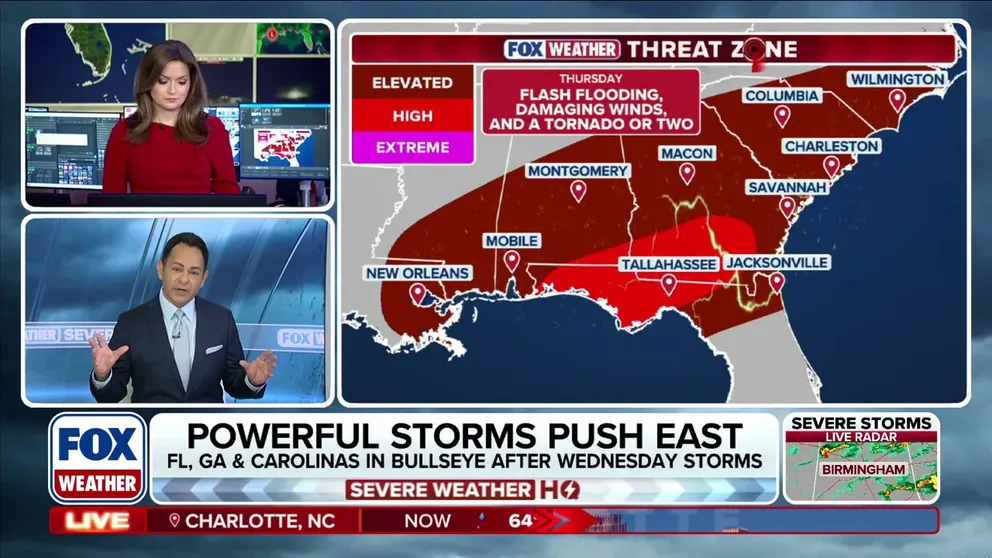
Tornadoes in Mississippi injured 17 people and damaged more than 300 homes across several counties, with no deaths confirmed but widespread disruption. More than 19,000 customers were without power, multiple roads remained closed, and shelters were opened for displaced families. The storm system also produced severe hail and at least 14 tornado damage reports, with damage surveys still pending.
The immediate market read is not the storm itself but the latency between physical damage and financial recognition. This is a negative near-term shock for local insurers, regional lenders with Mississippi exposure, utilities facing restoration capex, and transport names tied to Gulf/Deep South freight corridors; the first-order equity impact should show up within days, while claims severity and municipal repair funding play out over 1-3 quarters. The power outage count suggests meaningful short-duration load loss, but the bigger second-order issue is contingent: if even a small share of damaged housing stock is uninsured or underinsured, recovery drags on local consumer spending and small-business credit quality for months.
The most interesting trade is in catastrophe exposure asymmetry. Reinsurers and diversified property writers may initially sell off on headline risk, but if this event remains below historical loss thresholds, the move can reverse quickly because investors often overprice a single event before loss estimates are validated. Conversely, suppliers of restoration materials, temporary housing, generators, and electrical equipment often see a cleaner earnings pull-through than the obvious public contractors, especially if multiple counties keep roads closed and shelters open into the next week.
For infrastructure, the key non-obvious catalyst is grid hardening and emergency spending rather than replacement demand alone. That benefits firms with distribution transformers, line hardware, and pole/utility services over pure residential builders; the latter face a slower demand impulse because insurance proceeds and contractor availability gate reconstruction. The broader housing impact is mildly negative for local affordability near damaged pockets if rebuilding costs rise faster than replacement supply, but that becomes a regional rather than national read-through unless the storm track expands.
Consensus may be overestimating permanent damage and underestimating the bounce in cleanup/rebuild beneficiaries. The more material risk is not insured loss inflation, but a second-round credit event if displaced households and small businesses face cash-flow gaps before claims are settled. That creates a cleaner short window in local financials than in national macro proxies, and a better long opportunity in restoration and utility service providers once damage surveys clarify scope.
AI-powered research, real-time alerts, and portfolio analytics for institutional investors.
Request DemoOverall Sentiment
strongly negative
Sentiment Score
-0.72
