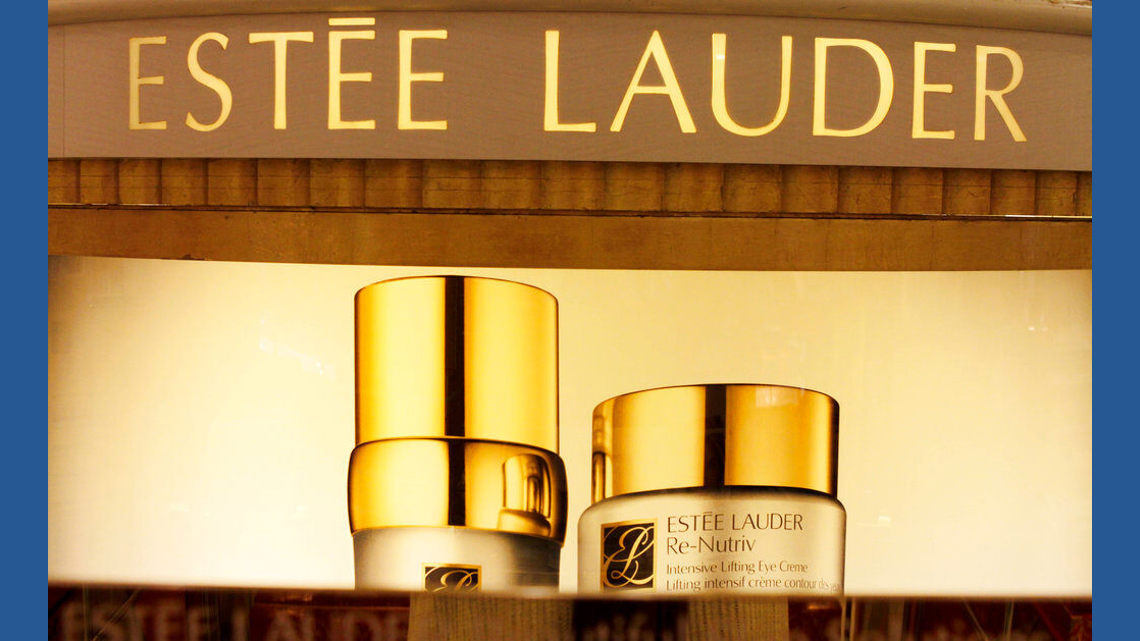
Merger talks between Estée Lauder and Puig could create a combined company valued at more than $40 billion; Puig stock jumped more than 15% on the news. Estée Lauder has reported revenue declines in each of the past three years and warned it could cut up to 7,000 jobs (~11% of its workforce) as it restructures; no agreement has been reached and Estée Lauder shares rose only slightly in premarket trading.
A large-scale consolidation in prestige beauty would materially reweight margin drivers toward fragrance and scale-dependent procurement. Consolidating procurement and packaging buying power can plausibly unlock 150–300bps of EBITDA margin over 12–24 months through raw-material sourcing, consolidated CMO footprints and fewer SKUs in logistics, but those gains depend on rapid SKU rationalization and cross-brand SKU harmonization that historically takes 12–36 months to realize.
Competitors with broad retail channels (mass and luxury) will respond asymmetrically: incumbents with deeper travel-retail and duty-free penetration can neutralize shelf-share losses, while digitally-native indies will double down on brand-driven, low-cost distribution—increasing promotional friction and forcing larger houses to rebalance marketing spend toward DTC metrics. That rotation raises working-capital volatility for the combined entity as it shifts channel mix and inventory cadence across wholesale vs DTC.
Supply-chain second-order winners include upstream fragrance and aroma-chemical suppliers and high-end dispensing/packaging vendors, who should see steadier order books and pricing leverage; conversely, smaller contract manufacturers and regional distributors face margin pressure as larger buyers consolidate volumes. Regulatory and financing frictions are non-trivial: any leverage-funded deal or equity issuance shrinks near-term FCF per share and raises refinancing risk if macro tightness returns within 12 months.
The market is likely pricing a cleaner, faster integration than is realistic—consensus underestimates cultural/R&D rationalization costs and the time to migrate loyalty in fragrance where brand equity is stickier. That gap creates asymmetric trade opportunities around event windows (announcement, due diligence leaks, formal offer, regulatory milestones) where option structures can convexly capture upside while capping downside from integration setbacks.
AI-powered research, real-time alerts, and portfolio analytics for institutional investors.
Request DemoOverall Sentiment
mixed
Sentiment Score
0.05
