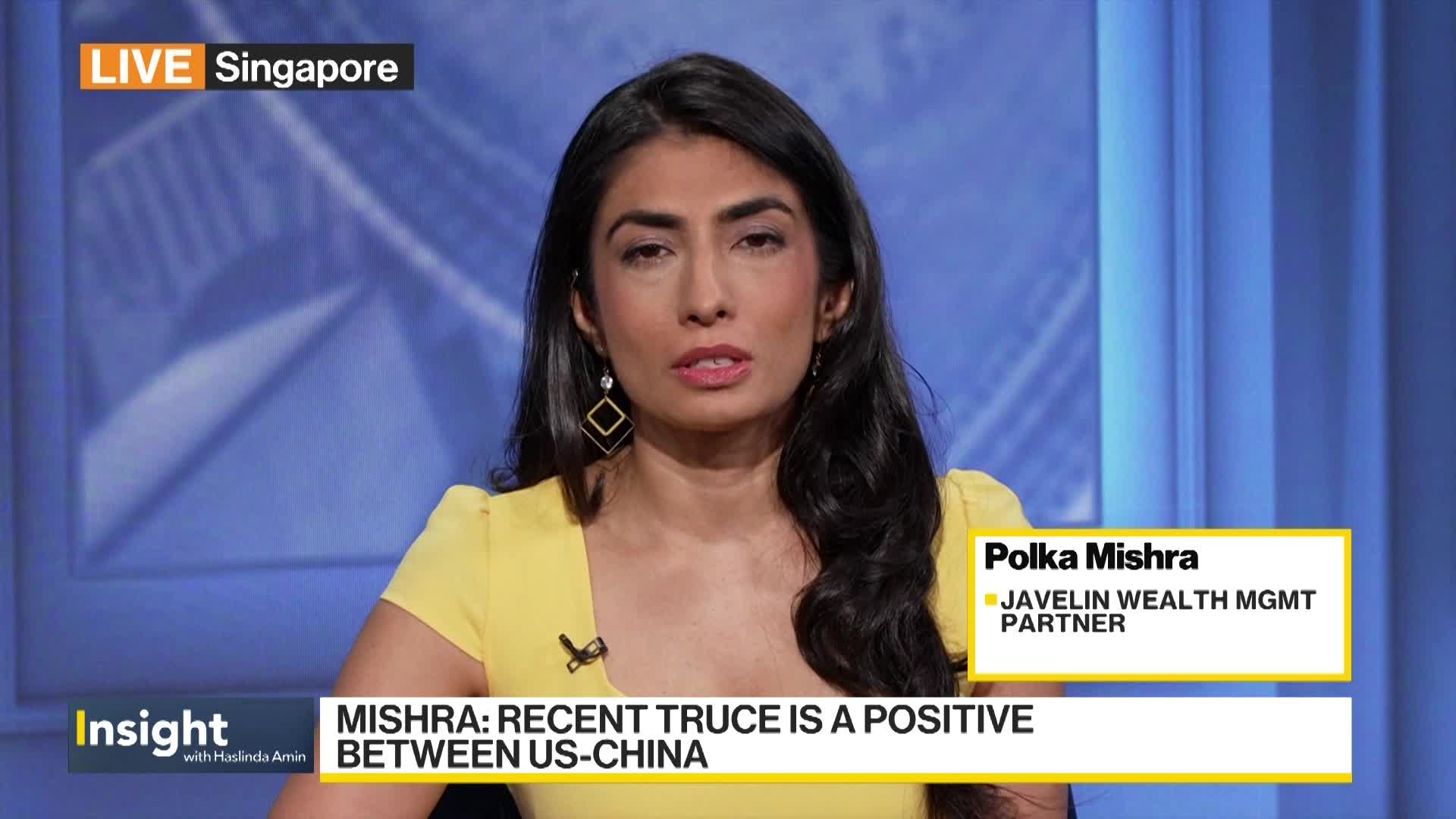
Recent coverage highlights three intersecting themes for investors: geopolitical outreach (notably Trump’s calls with Xi and Takaichi) amid rising Japan–China tensions that markets are largely brushing off, continued bullish convictions from major banks (BNP Paribas saying the “AI party is not over”), and contrasting signs of stress in Asian equities tied to AI bubble fears. The net signal is mixed — geopolitical risk is present but markets show resilience, while AI-related sentiment drives sector volatility; hedge funds should monitor regional risk flows and valuation sensitivity in AI-exposed names.
Winners will be cash-rich, high-margin AI leaders and leading fabs (NVDA, TSM, AVGO; SOXX exposure) as pricing power for high-end GPUs/AI silicon stays intact; losers are small-cap, EM/China AI proxies and levered hedge funds exposed to those names where liquidity and margin pressures amplify declines. Competitive dynamics favor concentration—top-3 GPU/AI stackers widen moats, raising S&M and capex barriers that compress mid-tier peers’ market share within 6–18 months.
Supply/demand points to tight supply for cutting-edge nodes and GPUs through H2 2025, supporting semi pricing and ASPs; a sentiment-driven demand pullback could create volatile inventory swings, especially in Asian contract manufacturers. Cross-asset: expect episodic safe-haven flows into JGBs/Treasuries (TLT), JPY strength vs USD/CNH, and elevated implied vols in China/EM tech options; copper and oil less directly affected unless escalation broadens.
Tail risks include a sudden China–Japan military flare or new export controls on AI chips that could knock 15–40% off affected Asian names overnight; immediate (days) moves will be headline-driven, weeks/months will see fund flow repricing, and multi-quarter effects hinge on capex rerouting. Hidden dependencies: ETF redemption mechanics and prime-broker financing create non-linear downside; catalyzing events are NVDA/MSFT earnings, Chinese political dates, and US macro prints (CPI/PCE within 0.2% surprises).
Trade implications: overweight US AI leaders via directional exposure and hedge with duration/JPY; short or protect EM/China tech proxies via puts or ETF shorts; execute relative-value long SOXX vs short KWEB/EEM to capture structural outperformance. Contrarian edge: consensus underprices systemic redemption risk—if KWEB falls >25% in 30 days, selectively harvest liquidity for buying high-quality China large-caps (BABA/TCEHY) rather than indiscriminate pan-EM buys.
AI-powered research, real-time alerts, and portfolio analytics for institutional investors.
Request DemoOverall Sentiment
mixed
Sentiment Score
0.00
